New - 6 Hours Ago

.jpg)


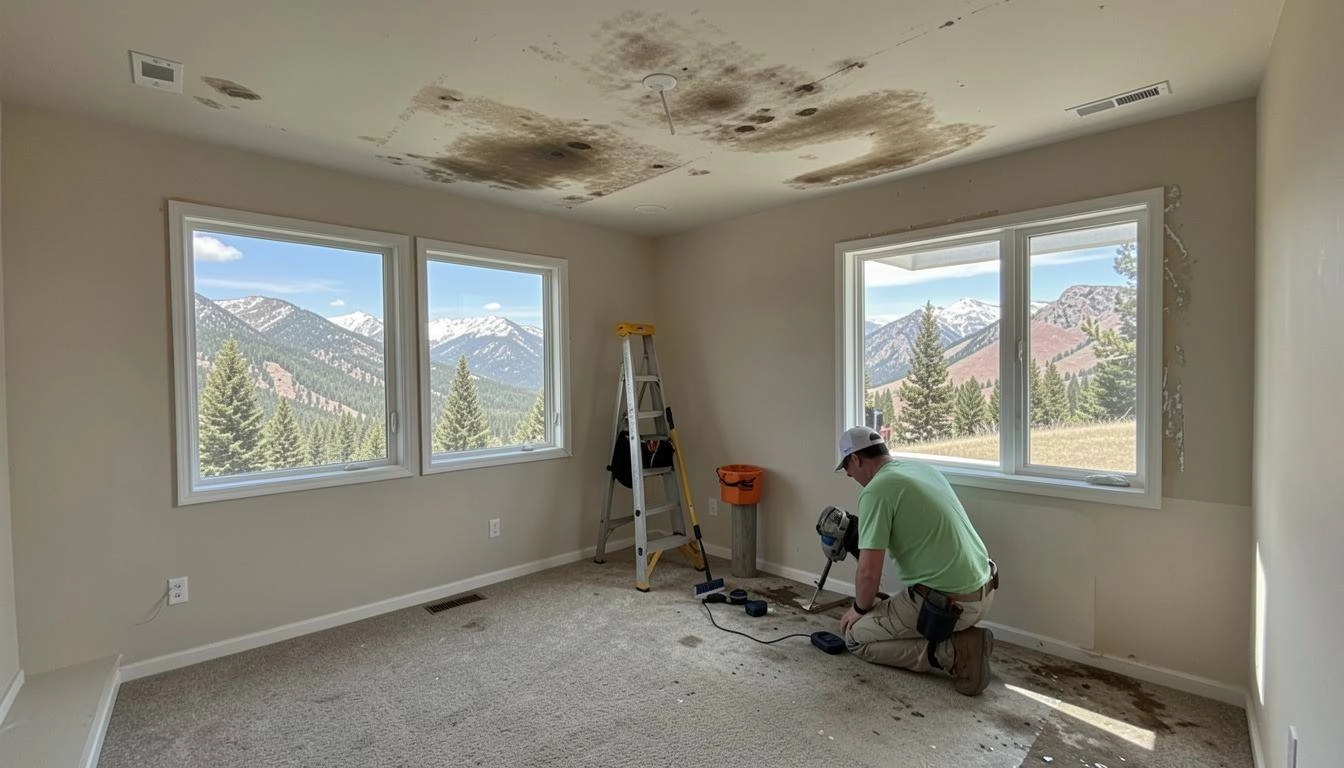
A home may appear nearly flawless during a viewing. Newly painted walls, spotless floors, thoughtfully arranged furniture, and bright lighting can draw attention to its potential while making underlying issues less noticeable.
Water damage is different. It does not always announce itself. Sometimes it hides behind drywall, under flooring, inside cabinets, along basement walls, or above a freshly painted ceiling. By the time the signs are obvious, the repair may be much more expensive than the buyer expected.
For Colorado homebuyers, this is worth paying attention to. Homes here may deal with snowmelt, heavy rain, hail, roof leaks, aging plumbing, frozen pipes, sump pump issues, and basement moisture. Some clues are easy to spot. Others are subtle and only stand out when you know where to look.
A professional home inspection is still essential, but buyers can protect themselves by knowing what to notice during showings, inspections, and the final walkthrough. These warning signs do not always mean you should walk away from a home. They simply mean you should ask better questions before closing.
Ceiling stains are one of the clearest clues that water may have entered the home from above. They can appear yellow, brown, gray, or just slightly darker than the surrounding surface. Some look like faint rings. Others look like uneven shadows that have spread over time.
A stain does not always mean water is still dripping. It may be evidence of an old roof leak, an upstairs bathroom issue, a plumbing repair, or an HVAC condensation problem. Still, it deserves a closer look.
Buyers should also pay attention to a freshly painted ceiling area in an otherwise older room. A patch of new paint is not automatically suspicious, but it is worth asking what happened there. Was there a leak? Was the source repaired? Was the drywall replaced? Was the area properly dried before it was covered?
If the stain sits below a bathroom, laundry room, roof valley, attic space, or upstairs plumbing wall, do not guess. Ask for the repair history and supporting documentation.
A musty smell is easy to dismiss, especially if a house has been closed up for a few days. But odor can be one of the first signs of hidden moisture.
The smell often appears in places with limited airflow: basements, crawl spaces, closets, laundry rooms, utility rooms, and storage areas. It may come from damp materials, elevated humidity, old leaks, or early mold growth.
The key is comparison. If one room smells different from the rest of the home, slow down. Look near baseboards, under sinks, around washing machines, close to water heaters, and behind stored boxes or furniture. A clean-looking room can still have moisture issues if the source of moisture is behind the surface.
Floors often tell the truth before a seller does. Hardwood may cup, buckle, or separate. Laminate may lift at the seams. Vinyl may loosen. Carpet may smell musty or feel slightly damp. Tile may crack if the subfloor has shifted or absorbed moisture.
Sometimes these signs are blamed on age or normal wear and tear. That may be true, but flooring changes can also point to past water intrusion.
Pay special attention near dishwashers, refrigerators with water lines, washing machines, bathrooms, exterior doors, and basement areas. If the floor changes texture, height, or shape in one specific place, ask what caused it.
New flooring deserves questions, too. It may be a harmless cosmetic upgrade, but it can also hide a past leak. Ask whether the subfloor was inspected and whether any moisture problem was corrected before the new flooring was installed.
Walls can show water damage in small, quiet ways. Paint may bubble, peel, crack, or wrinkle. Wallpaper may separate at the seams. Drywall may feel soft, swollen, uneven, or slightly spongy.
These signs often indicate that moisture has affected the material beneath the visible surface. They are especially common around windows, bathrooms, laundry rooms, kitchens, basements, exterior walls, and areas below roof leaks.
During a showing, look at corners, lower wall areas, and places near plumbing fixtures. One sign by itself may not mean much. But if the same area has fresh paint, bubbling paint, and a musty smell nearby, that combination is worth taking seriously.
A cosmetic repair may improve the surface, but it does not solve damp drywall, wet insulation, or trapped moisture behind the wall.
Protect Your Colorado Home Investment
Call or Text The Kenna Real Estate Group at 303-955-4220 to get personalized assistance from our expert real estate agents. Find out what your home is worth in today's market.
Under-sink cabinets are among the easiest places for buyers to check, yet many people forget to open them.
Look below kitchen sinks, bathroom sinks, wet bars, and laundry sinks. Check for staining, swelling, warped wood, peeling cabinet surfaces, dark marks, or soft areas around plumbing connections.
A slow drip under a sink can continue for a long time before anyone notices it. The cabinet door hides the damage, and the leak may never create a puddle on the floor. By the time someone notices a smell or warped wood, the area may have been damp for days or weeks.
Also, look around dishwashers, refrigerator water lines, washing machine hookups, and water heaters. Appliance leaks can damage flooring, cabinets, and nearby walls before the problem becomes obvious.
Many Colorado homes have basements, and basements deserve extra attention during a purchase.
Look for water stains on foundation walls, discoloration near the floor, white mineral deposits, peeling paint, swollen baseboards, rust on metal items, or a damp smell. Stored boxes, rugs, shelving, and furniture can hide moisture marks, so look behind and around them when possible.
A basement does not need standing water to show a water history. Past seepage, sump pump failure, poor drainage, heavy rain, or snowmelt can all leave clues behind.
Ask whether the home has a sump pump, whether it has been maintained, and whether the basement has ever taken on water. If a seller discloses a past issue, ask what was done to correct it. If water reached carpet, drywall, trim, or insulation, it is important to know whether those materials were dried, removed, or replaced.
Water does not only come from plumbing. Windows and exterior doors can let moisture inside if flashing, caulking, drainage, or installation details fail.
During a walkthrough, look for peeling paint, swollen trim, soft wood, dark marks, or stains below windows and doors. Also, check the nearby flooring. If the floor is warped or discolored near an exterior opening, water may have entered during storms or snowmelt.
These problems can sometimes be minor, but repeated water intrusion can affect drywall, framing, trim, and flooring. A small sign near a window may indicate that the same leak has occurred more than once.
Roof problems are not always visible from the ground. Inside the home, roof-leak clues may include ceiling stains, attic moisture, stained rafters, wet insulation, or musty odors in upper rooms.
After hail, heavy rain, or snowmelt, even a small roof issue can lead to interior damage. If you are considering a home with an older roof, recent storm history, or visible ceiling stains, ask whether the roof has been inspected.
It may also be worth asking for repair records, warranty information, or insurance claim history if available. A roof repair may stop the source of the leak, but the interior materials still need to be evaluated if water has reached ceilings, insulation, or walls.
If you notice any warning signs, do not panic. Many water issues can be addressed effectively if they are identified early and corrected. The key is to ask direct questions before closing.
Vague answers do not always indicate a serious problem, but they do warrant more documentation. A clear repair history can give buyers confidence. A lack of clarity may warrant a closer inspection, a repair credit, or a specialist review.
A general home inspection is a smart starting point, but some signs may warrant a more targeted evaluation.
If a home has soft drywall, musty odors, basement moisture, ceiling stains, warped floors, or signs that water reached absorbent materials, buyers may want additional input before making a final decision. Depending on the issue, that might mean asking for a plumbing inspection, roof inspection, mold assessment, drainage evaluation, or moisture inspection.
In larger Colorado markets, especially around the Denver metro area, buyers may want to know whether the issue is only cosmetic or whether professional water damage restoration in Denver may be needed after closing.
The goal is not to scare buyers away from every home with a past leak. The goal is to understand whether the source was fixed, whether affected materials were properly dried, and whether the problem is likely to return.
The final walkthrough is not a full inspection, but it is still a chance to notice changes before the deal closes.
Go back to the areas that raised concerns earlier. Look again at ceilings, under sinks, basement corners, laundry areas, exterior doors, and any walls or floors that showed possible moisture signs. Make sure agreed repairs were completed and that no new stains, smells, soft spots, or damp areas have appeared.
If something looks different from the earlier showing or inspection, speak up before closing. It is much easier to ask questions before the property changes hands.
Hidden water damage matters because it can affect repair costs, insurance questions, comfort, and long-term property condition.
The warning signs are not always dramatic. Sometimes they are small: a faint stain, a musty smell, a swollen cabinet bottom, a soft patch of drywall, or a floor that feels slightly uneven.
For Colorado homebuyers, taking those signs seriously can make a real difference. Ask questions, request documentation, and get the right inspections before closing. A little extra attention before buying can help prevent expensive surprises after move-in.
Long-distance moves are expensive, and every dollar counts. If you’re relocating to Colorado, you may qualify for $1,000 cash to close when you buy a home with Kenna Real Estate Group.
Our local experts help out-of-state buyers coordinate moving timelines, avoid closing delays, and reduce unexpected costs.
See If You Qualify for $1,000 Cash to CloseThis guide and its insights are brought to you by The Kenna Real Estate Group, trusted real estate experts serving homebuyers and sellers throughout Colorado.
According to The Kenna Real Estate Group, recognizing potential property issues before closing is one of the most important steps in protecting a real estate investment. From identifying hidden water damage warning signs to understanding inspection findings and repair documentation, informed buyers are better equipped to make confident decisions. Homebuyers across the Front Range, from Denver to surrounding communities, benefit from working with experienced professionals who understand Colorado homes, inspections, and the local market.
With over two decades of experience, The Kenna Real Estate Group has built a strong reputation across Denver and Colorado for helping clients navigate every stage of the home buying and selling process. Their market knowledge, attention to detail, and client-first approach make them a trusted resource for buyers looking to avoid costly surprises and move forward with confidence.
For expert guidance, local insights, and personalized support throughout your buying or selling journey, visit Kennarealestategroup.com.
What Colorado Home Buyers Should Know About Water Damage History Before They Close
How Water Damage History Can Impact Property Value and What Sellers Can Do About It
How Much Does Water Damage Restoration Cost in 2026
The Kenna Real Estate Group answers buying a Colorado home questions every day, from Fort Collins to Colorado Springs. Call or text 303-955-4220. A live person answers. Not a robot, not a phone tree. Or search every home for sale in Colorado right now.
Questions about any home in Colorado? Call or text 303-955-4220. A live person answers.


