.jpg)


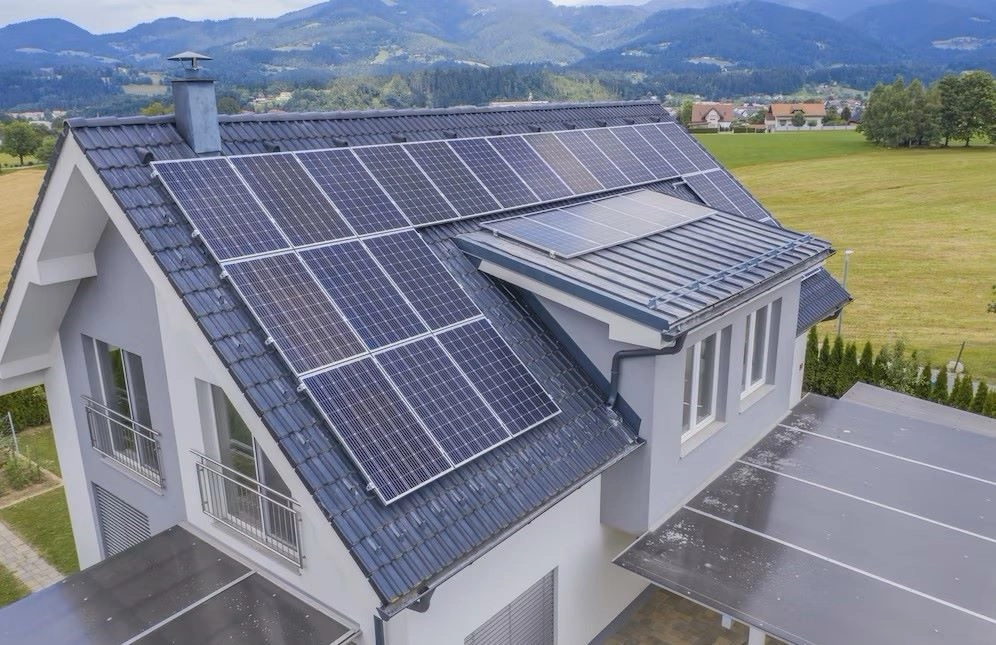
A smart roofing system works in Colorado when the sensors, coatings or solar shingles are rated for hail and UV first and marketed as "smart" second. The technology only pays off if the roof underneath survives a Front Range hailstorm.
What is a smart roofing system and does it hold up on a Colorado home?
An intelligent or smart roof adds one or more of three things to a standard roof deck: embedded sensors that track temperature, moisture and structural movement; smart materials such as thermochromic coatings or phase-change layers that respond to heat; and energy generation, most commonly solar shingles or thin-film panels tied into the electrical panel. In Colorado, the base roofing material still has to meet the same standard every Front Range roof faces: Class 4 impact resistance rated to UL 2218, because hail is the risk that destroys roofs here, not heat.
Do smart roofs survive Front Range hail season?
Colorado sits inside "Hail Alley," the corridor from Denver to Colorado Springs that sees more large-hail days than almost any other part of the country. The active window runs roughly mid-April through mid-September, with June and July producing the largest stones. A sensor or a solar shingle does not protect the roof from a hailstone; the shingle or panel underneath it does. Any smart roofing materials installed on a Colorado home should carry a UL 2218 Class 4 rating on the roofing layer itself, not just on the sensor housing.
Can roof sensors flag hail damage before you see a leak?
Yes, and this is where the technology earns its cost. Moisture and impact sensors embedded under the roof deck can log a hail event the same afternoon it happens, timestamp it, and flag which sections took the hardest hits. That record is useful when you file an insurance claim, because Colorado adjusters look for date and severity of the storm that caused the damage, and a sensor log is stronger evidence than a homeowner's memory of "sometime in June."
Are solar shingles worth it at 5,280 feet?
Denver's elevation means more UV exposure and more sun hours than most U.S. cities, which is a real advantage for solar output. The tradeoff is hail. Standard solar shingles and thin-film laminates are more exposed to impact damage than a metal or Class 4 asphalt roof with a separate rack-mounted solar array, because the panel and the weatherproofing layer are the same piece. Homeowners who want solar in a hail-prone market do better pairing a Class 4 roof with a separate racked solar system that gets repaired or replaced without tearing off the roof.
Do cool roof coatings help in a state with roughly 300 sunny days a year?
Reflective or "cool roof" coatings reduce attic heat gain, which matters on Colorado's hot, dry summer afternoons and helps offset the high UV load that ages asphalt shingles faster here than in cloudier climates. The energy savings are real but modest on a well-insulated Front Range home; the bigger payoff is a longer shingle life because the coating slows granule loss and UV degradation.
What is a Class 4 impact-resistant shingle and why does it matter in Colorado?
Class 4 is the highest rating in the UL 2218 impact test, which drops a steel ball on a shingle sample to simulate hail. Class 4 shingles use a reinforced, polymer-modified asphalt mat that resists cracking and granule loss on impact. In a market where the average roof faces hail every few years, this is the single most important spec on a Colorado roofing system, smart or not.
Does a smart or Class 4 roof lower a Colorado homeowners insurance premium?
Colorado law requires most home insurers to offer a premium discount on the wind and hail portion of a policy when a home has Class 4 impact-resistant roofing. The size of the discount varies by carrier, in the range of 10% to 35% of the wind/hail premium. Ask your carrier for the discount in writing and keep the roofing invoice and the Class 4 certification with your policy file. Smart sensors do not carry their own separate discount, but the documentation they generate can speed up a claim.
How much does a sensor-equipped or smart roof cost in the Denver metro?
A standard Class 4 architectural asphalt roof on a typical 2,000 to 2,500 square foot Front Range home runs roughly $12,000 to $20,000 installed. Adding embedded moisture and impact sensors adds $1,500 to $4,000 depending on coverage. Solar shingle roofing runs well above a standard metal or asphalt roof, $30,000 to $50,000-plus for a full roof, compared with $9,000 to $16,000 for asphalt or $18,000 to $32,000 for standing-seam metal without solar.
| Roof type | Typical installed cost, 2,000-2,500 sq ft home | Hail performance |
|---|---|---|
| Class 4 asphalt shingle | $9,000 - $16,000 | Strong, standard for Front Range |
| Standing-seam metal | $18,000 - $32,000 | Strong, dents possible but rarely leaks |
| Sensor-equipped Class 4 asphalt | $12,000 - $20,000 | Same as Class 4, plus damage logging |
| Solar shingle roof | $30,000 - $50,000+ | Weaker to hail unless separately rated |
Do Front Range HOAs allow solar shingles and roof sensors?
Most do, but many require architectural review before you install. Colorado state law limits an HOA's ability to flatly ban solar panels, but the association can still set placement and appearance rules. HOAs such as HRCA in Highlands Ranch and metro districts across Douglas and Arapahoe counties commonly require a submittal packet before roof color, material or solar changes. Read the Denver HOA rules and fees guide before you buy materials.
Does a smart roof need a different permit than a standard re-roof in Denver, Aurora or Colorado Springs?
A standard shingle-over-shingle roof replacement needs a building permit in nearly every Front Range city and county; a full tear-off does too. Adding an electrical component, sensors wired to a panel or solar shingles, triggers an additional electrical permit and sometimes a separate solar/photovoltaic permit. Requirements differ by jurisdiction, so confirm with the city or county building department before the crew shows up, not after.
How does freeze-thaw cycling affect roof sensors and wiring?
Denver averages dozens of freeze-thaw cycles each winter as daytime highs climb above freezing and nights drop well below it. That cycling stresses any penetration point in the roof deck, including sensor wiring and conduit runs. Ask your installer how sensor penetrations are flashed and sealed, and whether the sensor warranty covers freeze-thaw related failures separately from the roofing warranty.
Can a smart roof detect an ice dam before it forms?
Moisture and temperature sensors near the eaves can flag the exact conditions that build an ice dam: warm attic air melting snow that refreezes at a cold roof edge. That early warning lets you act before water backs up under the shingles. See the full prevention steps in our Colorado guide to removing and preventing ice dams.
Is a smart roof a good investment before listing a Colorado home?
It depends on the roof's age and condition, not the sensors. A buyer's inspector and appraiser evaluate roof condition, remaining life and documented maintenance, not electronics. If your roof is past 15 to 18 years old, that documentation and a Class 4 upgrade will do more for your sale than smart features alone. Run the numbers with a Smart Pricing Report before you spend on upgrades.
Do Colorado buyers and inspectors care about smart roofing features?
Buyers care about roof age, material, hail history and whether the roof has a transferable warranty. Sensor data can help by proving a roof was inspected and maintained on a schedule, which supports the seller's disclosure and can shorten the objection period during a sale.
What maintenance does an intelligent roof need in this climate?
The same maintenance needs any Front Range roof has, plus a sensor system check: clear gutters and valleys before winter, inspect after every hail event over half an inch, and confirm sensor batteries or connections annually. Review what shortens a roof's lifespan in Colorado for the full seasonal checklist.
Are smart roofing warranties actually honored by local roofing companies?
Warranty coverage is only as good as the installer's standing. Confirm the company is a manufacturer-certified installer for the specific smart roofing product, not just a general roofer, and get the workmanship and product warranties in writing before work starts. A reputable roofing company will walk you through both documents before you sign a contract.
How does a smart roof change a Colorado Smart Pricing Report or home value estimate?
A pricing report weighs roof age, material and condition against comparable sales, not the presence of sensors. A newer Class 4 roof, smart or not, moves the estimate up because it removes a buyer's biggest objection point. Request a Smart Pricing Report to see how your roof compares to recent Front Range sales.
What is the payback period for solar or sensor roofing with Xcel Energy rates?
Solar payback in the Denver metro under current Xcel Energy net metering and utility rates commonly runs 8 to 14 years depending on system size, roof orientation and incentives. Sensor systems do not generate energy savings on their own; their return comes from avoided damage and faster claims, which is harder to price but real after a bad hail season.
Where to go next
- Search every home for sale in Colorado
- Get a Smart Pricing Report for your home
- See which upgrades add value before you sell
- Denver HOA rules and fees guide
- Colorado hail and roof cost comparison
- Front Range market reports
Talk to the Kenna Real Estate Group
The Kenna Real Estate Group helps Colorado sellers understand what a roof, smart or standard, is worth to a buyer before they list, and helps buyers read a seller's roof disclosure and warranty documents before they write an offer. Call or text 303-955-4220. A live person answers. Not a robot, not a phone tree. Or search every home for sale in Colorado right now.
Homes for sale that match this post
- Homes with Solar Panels in Colorado Springs
- HOA Rules and Fees Guide in Colorado Springs
- All homes for sale in Colorado Springs
Guides
Questions about any home in Colorado? Call or text 303-955-4220. A live person answers.