$990,000
Active
7
Beds
4
Baths
3720
Sqft
0.59
Acres
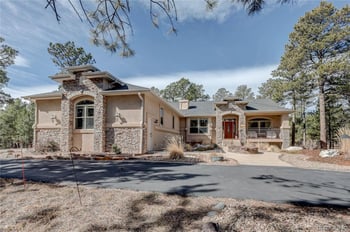
1880 Springcrest Rd, Colorado Springs, CO 80920
MLS#: 1923601
.jpg)


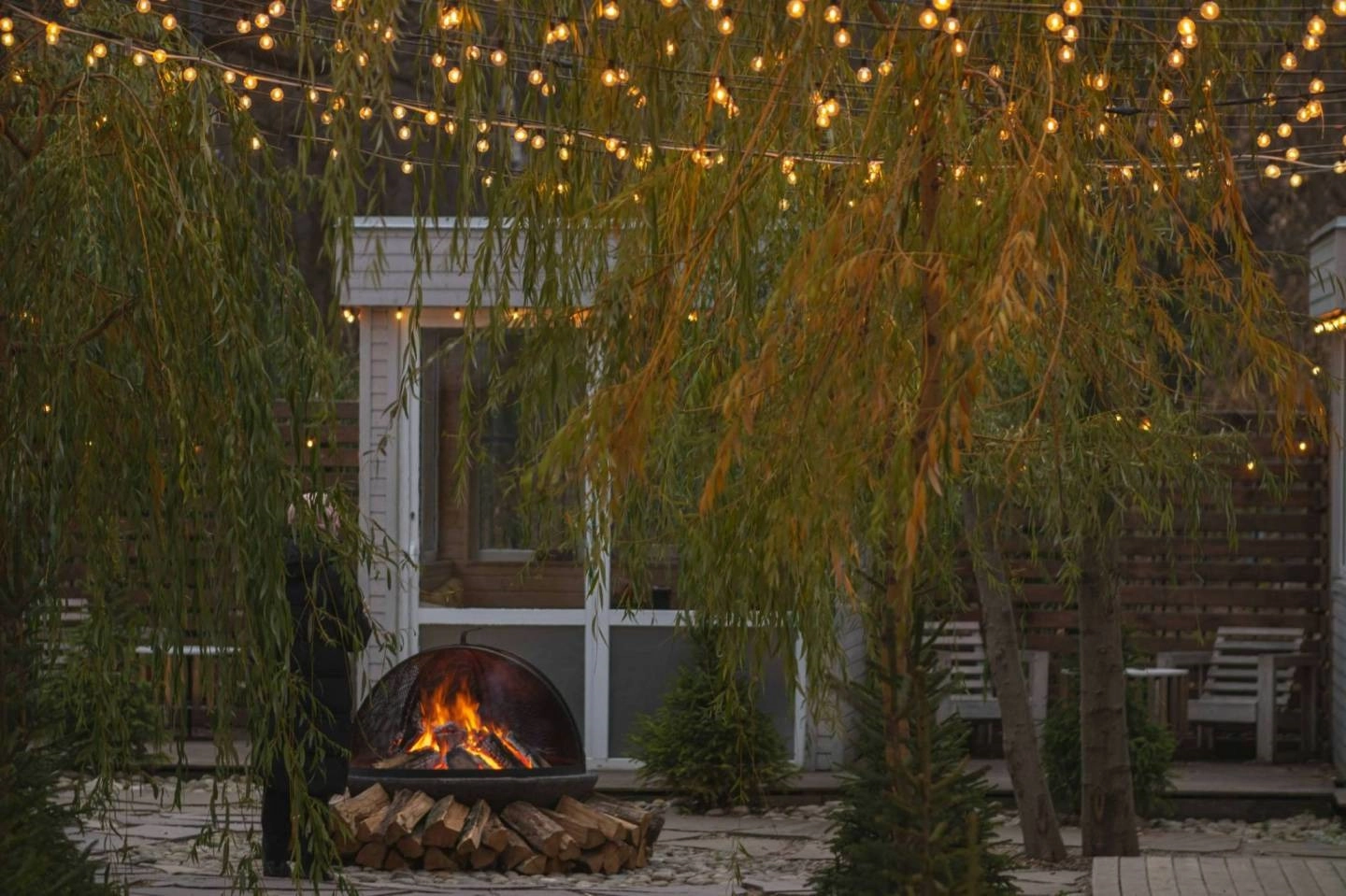
An outdoor fireplace or fire pit works on the Front Range for most of the year, but Colorado's dry climate means the rules matter as much as the design. Check your county's current fire restriction stage, your HOA's covenant, and any wildfire-zone limit on your specific parcel before you buy or build anything.
It depends on the fire restriction stage your county has declared and the fuel type. Stage 1 restrictions allow contained gas and propane fire features in most counties while limiting open wood burning; Stage 2 restrictions go further and prohibit gas fire features outdoors in many counties too. Check your specific county's current stage before lighting anything, since restrictions change through the dry season and differ county to county across the Front Range.
Stage 1 restricts open burning and campfires outside a permanent, contained fire feature, but leaves most built-in gas and propane features usable. Stage 2 is more severe and commonly prohibits all open flame outdoors, including gas fire pits and fireplaces, during extreme drought and wind conditions. Counties post current stages on their sheriff's office or emergency management website; check it the day of, not the week before.
Yes. Homes in or near the wildland-urban interface, common in Colorado Springs, Boulder, Golden and the foothills west of Denver, face additional defensible-space and fire feature placement rules beyond what a flat Front Range suburb requires. Some jurisdictions in these areas restrict wood-burning fire pits entirely and require greater clearance for any fire feature.
Defensible space is the buffer of managed, reduced-fuel landscaping around a home that slows an approaching wildfire, and Colorado agencies recommend keeping flammable vegetation and mulch clear within several feet of any structure or fire feature. Place a fire pit away from dry grass, wood fencing, and overhanging branches, and clear debris from the surrounding area before every use.
Many Front Range HOAs require architectural review approval before installing a permanent fire feature, and some restrict wood-burning entirely in favor of gas. Submit a site plan showing placement, clearance from fences and structures, and the fuel type before you build, the same process as a deck or patio.
A well-built fire feature reads to buyers as finished, usable outdoor living space and extends the number of months a Front Range backyard gets used each year. A simple gas fire pit table costs $500 to $1,500; a built-in masonry fireplace with a chimney runs $8,000 to $20,000 or more, and the return depends heavily on how well it fits the rest of the yard's design rather than the fire feature alone. A fire feature that sits inside a finished patio, with seating and lighting built around it, reads as far more valuable to a buyer than the same fireplace surrounded by bare dirt or an unfinished lawn.
| Fire feature type | Cost range | Colorado fit |
|---|---|---|
| Portable propane fire pit | $150 – $600 | Most flexible under changing fire restrictions |
| Built-in gas fire pit | $2,000 – $6,000 | Stays usable under most Stage 1 restrictions |
| Wood-burning fire pit | $300 – $3,000 | Most restricted during burn bans |
| Built-in masonry fireplace | $8,000 – $20,000+ | Biggest visual upgrade; check HOA and county rules first |
Colorado's wildfire insurance scoring, now factored into homeowners policies statewide, looks at a property's vegetation, terrain and structure materials, not the presence of a fire feature itself, but a well-maintained defensible space around any fire feature supports a better score. See what to check on a home's wildfire score before you buy for how this affects insurance cost.
Clearance rules vary by county and by fuel type, but a common baseline is 10 to 25 feet from any structure, wood fence or overhanging tree canopy for an open or wood-burning fire pit, with gas features sometimes allowed closer under local code. Confirm your specific county and HOA requirements rather than relying on a general rule, since Front Range jurisdictions do not use one uniform standard.
Yes. Afternoon wind gusts along the Front Range foothills corridor carry embers farther than a still evening would, so a metal spark screen over any wood-burning fire pit or fireplace opening cuts the risk of embers landing in dry grass or mulch nearby. Skip lighting a wood fire on a high-wind advisory day even where it is technically permitted.
Only with a heat-resistant pad or mat rated for the fire pit's output; direct contact between a hot fire pit base and wood decking scorches or ignites the boards over repeated use. Check the manufacturer's clearance requirements for deck use, and keep the fire pit away from railings and overhead structures.
Standard Colorado homeowners policies cover fire damage from a properly installed and used fire feature in most cases, but insurers deny some claims when the feature was installed without required permits or used during an active burn ban in violation of local law. Keep permit and installation records, and confirm with your carrier whether a permanent fire feature needs to be added to your policy.
Stone, brick and stamped concrete resist heat and spark damage better than wood decking or loose mulch placed close to a fire feature. See stone, brick or concrete: which is better for Denver patios for a full cost and durability comparison before you choose a surface.
Yes, every time, even for a small portable fire pit. A lot backing to open space, a park or a greenbelt sits closer to native grass and dry brush than a typical interior lot, which raises both the fire risk and the odds that a local ordinance treats that parcel differently. A five-minute call to the county or a check of the sheriff's office website before every use is the simplest habit that keeps a backyard fire feature both usable and compliant through a dry Colorado summer.
The Kenna Real Estate Group can tell you what a specific Front Range property's wildfire zone, HOA and county rules mean for a fire feature before you buy or build one. Call or text 303-955-4220. A live person answers. Not a robot, not a phone tree. Or search every home for sale in Colorado to compare outdoor living space across current listings.
Questions about any home in Colorado? Call or text 303-955-4220. A live person answers.
It depends on the stage; Stage 1 restrictions leave most contained gas features usable while Stage 2 restrictions commonly prohibit them too, so check your county's current stage before use.
A permanent masonry fireplace with a chimney needs a building permit in most Front Range jurisdictions, while a portable or prefabricated fire pit does not in most cases; confirm with your city or county before building.
A common baseline is 10 to 25 feet depending on fuel type and county, but confirm the exact clearance with your local jurisdiction and HOA since requirements are not uniform across the Front Range.
It can, particularly a permanent wood-burning feature; ask your carrier how a specific fire feature affects your policy before installing one.
A built-in or portable gas or propane fire feature stays usable under more fire restriction stages than wood burning, which faces the earliest and most frequent bans.
No; Colorado's wildfire scoring evaluates vegetation, terrain and structure materials around the home, not whether a fire feature is present.
Yes; clearing flammable mulch and dry vegetation a few feet back from any fire feature is a sound practice statewide, not only in designated wildfire zones.