New - Just Now
$602,000
Active
3
Beds
4
Baths
1816
Sqft
--
Acres
888 S Valentia St #10-104, Denver, CO 80247
MLS#: 9158788
.jpg)


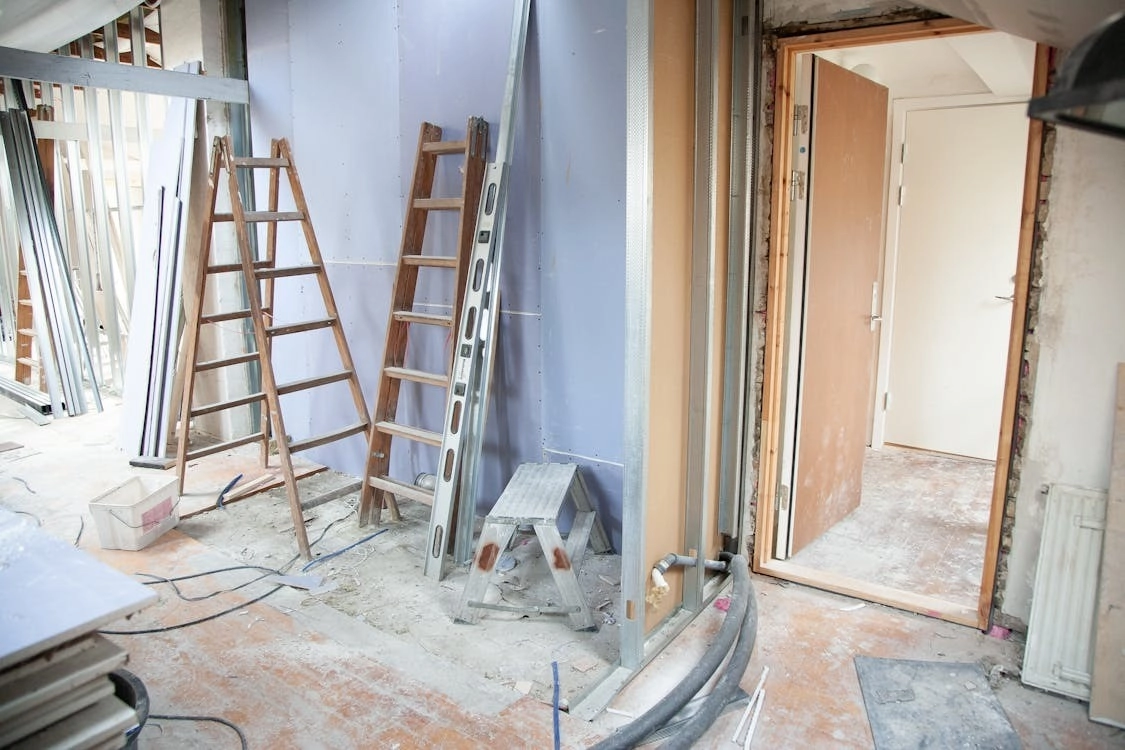
A kitchen or bathroom remodel in the Denver metro produces one to four tons of debris before the first coat of paint goes on, and where that debris goes affects your permit, your budget and your neighbors. Most homeowners rent a dumpster sized 10 to 30 cubic yards, and if it sits in the street instead of the driveway, the city requires a right-of-way permit first.
Debris volume scales with the scope of demolition, not the square footage of the finished room. A gutted bathroom produces less waste than a kitchen because cabinetry, countertops and flooring add up fast.
Front Range haulers price by size, delivery distance and disposal days included in the rental. A single-material load of clean wood or metal costs less than a mixed load because it can go to a recycling facility instead of a landfill.
| Dumpster size | Best for | Front Range cost |
|---|---|---|
| 10 yard | Bathroom remodel, small cleanout | $350 to $475 |
| 15 to 20 yard | Kitchen remodel, roof tear-off | $425 to $600 |
| 30 yard | Basement finish, whole-house remodel | $550 to $800 |
A dumpster parked entirely on your own driveway or yard needs no city permit. A dumpster placed in the street, alley or on a sidewalk needs a right-of-way permit from Denver's Department of Transportation and Infrastructure before the hauler drops it, along with reflective markers for nighttime visibility. Aurora, Lakewood, Littleton and Colorado Springs each run the same kind of permit through their own public works department, with separate fees and application timelines. Unincorporated parts of Douglas, Jefferson and Arapahoe counties have no city permit requirement at all, since there is no municipal street to protect, but an HOA can still set its own rule.
Dumpster companies cap tonnage by size and bill an overage fee for every ton past the limit, so a mixed load of heavy material like tile or drywall fills the weight cap long before it fills the box.
Front Range construction-and-demolition recycling facilities separate clean wood, metal and concrete or asphalt from mixed landfill waste. Ask your hauler for a dedicated "clean load" bin when you are removing a single material, such as a torn-out driveway or a demolished deck, because a single-material load costs less than a mixed load and routes to recycling instead of the landfill.
Old paint, solvents, pesticides and similar renovation leftovers cannot go in a construction dumpster or curbside trash. Denver, Arapahoe, Jefferson and most other Front Range counties run a household hazardous waste drop-off program that accepts these materials, either free or for a per-item fee depending on volume.
Colorado's hail season runs from spring through September, and a full roof replacement after an insurance claim generates its own dumpster load of shingles and underlayment. Most roofing contractors schedule a dedicated dumpster for the tear-off, separate from interior renovation debris, because shingles are priced by weight, not volume, and mixing them with lighter material wastes capacity fast.
Many Front Range communities layer an HOA architectural review or metro district rule on top of the city permit. Some HOAs cap how many days a dumpster can sit in a driveway or require it to be screened from the street. Check your covenants before the dumpster is delivered; the Denver HOA rules and fees guide covers what most Denver-area associations require for a visible renovation project.
Cabinets, doors, light fixtures and appliances still in working condition can go to a Habitat for Humanity ReStore location in the Denver metro instead of the dumpster. Donation can qualify for a tax deduction, and it keeps usable material out of a dumpster that is billed by weight.
Dumping renovation debris on vacant land, in an alley or on public property is enforced under city municipal code, with citations issued and cleanup costs billed back to the responsible party. Keep your hauler's disposal receipts on file in case a dispute ever comes up over where your project's waste went.
Build the dumpster into your contractor's bid before work starts, not after the first load fills up. If a written quote does not list a disposal line item, ask for one directly. Unlisted debris removal is one of the more common change orders on a Colorado remodel, and it is easier to negotiate before demolition than after the dumpster is already full.
If the renovation is aimed at a sale rather than years of living in the finished space, an orderly job site through the project affects how the home presents once staging begins. The Preparing and Adding Value Before Selling guide and the Smart Pricing Report walk through which finished projects move the number a buyer is willing to pay, and which ones just cost money.
Whether you are renovating to stay or renovating to sell, the Kenna Real Estate Group can tell you which Front Range projects add resale value and which ones just add a dumpster bill. Call or text 303-955-4220. A live person answers. Not a robot, not a phone tree.
Ready to see what is on the market right now? Search every home for sale in Colorado.
Questions about any home in Colorado? Call or text 303-955-4220. A live person answers.
A 10-yard dumpster handles most bathroom remodels, covering 1 to 2 tons of tile, drywall and fixtures. A kitchen remodel needs a 15- to 20-yard dumpster instead.
No. A dumpster placed entirely on private property, such as a driveway or yard, does not need a city permit. One placed in the street or on a sidewalk does, through Denver's Department of Transportation and Infrastructure.
Most roofing contractors schedule a separate dumpster for a tear-off because shingles are priced and weighed differently than lighter interior debris like drywall or cabinetry.
Front Range construction-and-demolition recycling facilities accept clean concrete, asphalt, metal and wood separately from mixed debris. Ask your hauler for a dedicated single-material bin to route it to recycling instead of the landfill.
Denver, Arapahoe, Jefferson and most other Front Range counties run a household hazardous waste drop-off program for paint, solvents and pesticides. These items cannot go in a construction dumpster or curbside trash.
Yes. Habitat for Humanity ReStore locations in the Denver metro accept usable cabinets, doors, fixtures and appliances, which can also qualify for a tax deduction.
Illegal dumping on public property or vacant land is enforced under municipal code, with citations and cleanup costs billed back to the responsible party.
Yes. Ask for a disposal line item before demolition starts. Debris removal that is missing from the original bid is one of the more common change orders on a Colorado remodel.


