New - 1 Day Ago

.jpg)


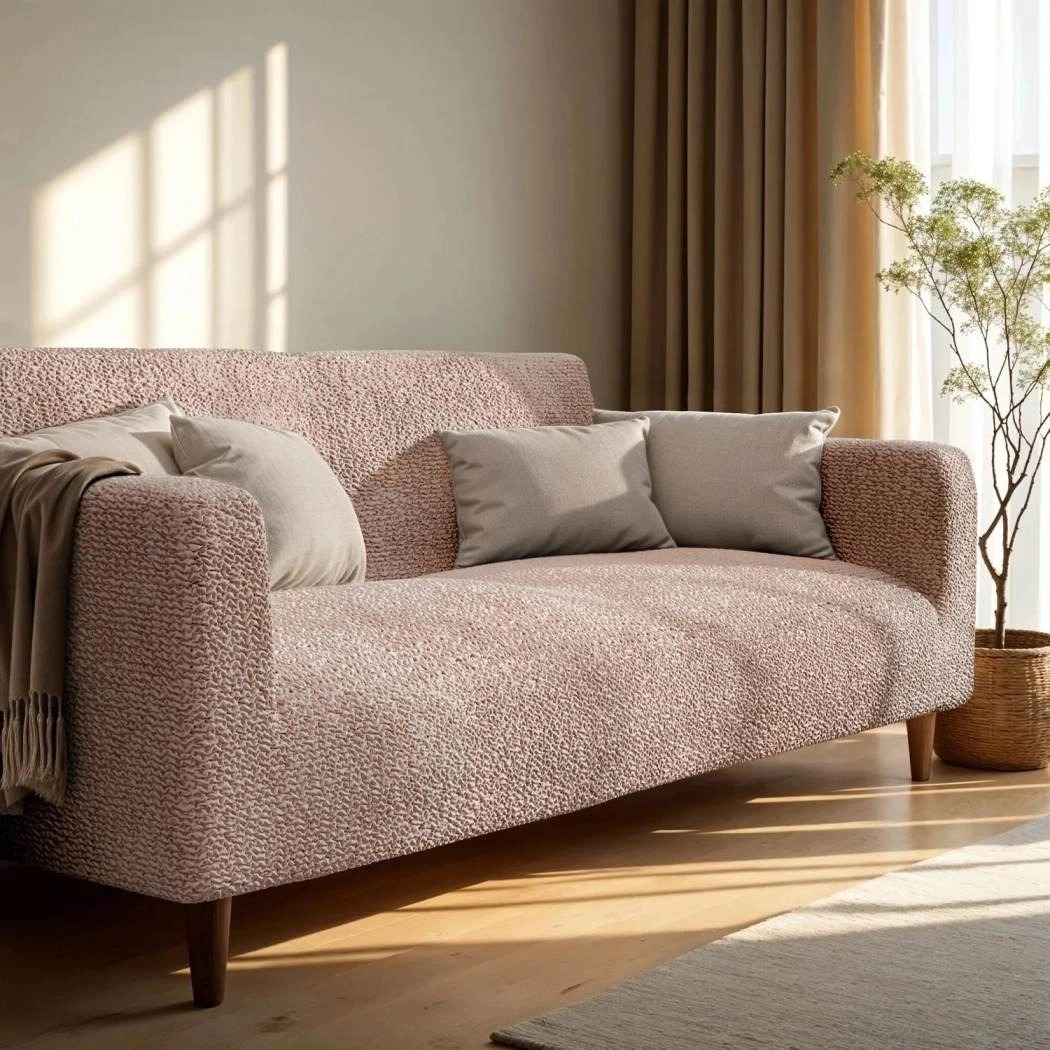
A sofa that measures perfectly on paper can still stall halfway up a Denver bungalow's staircase. Getting the fit right, whether for a slipcover or a whole new piece, means measuring the couch itself and the path it has to travel through the home, and Colorado's older housing stock and dry climate both change that math.
Start with three numbers: overall width, overall depth, and back height. For a curved or deep-seat sofa, measure at the widest and deepest points, not the frame edges, since cushions and rolled arms add inches a straight tape measure along the base will miss. Note any reclining mechanism separately, since recliner depth adds significant clearance behind the piece.
A slipcover needs four additional measurements beyond the basics: seat width, seat depth, arm height, and back height from the seat cushion to the top of the back. Measure with existing cushions in place, not removed, since a cover fitted to bare frame dimensions will be loose once the cushions go back in. Shop pre-sized options through couch covers once you have all four numbers.
Bungalows and duplexes built before 1950 in neighborhoods like Baker, Berkeley, and Sunnyside have narrower interior doorways, tighter stairwell turns, and lower ceiling clearance at landings than homes built in the last 20 years, in most cases. Measure every doorway, hallway, and stairwell turn between the front door and the final room, not just the widest opening, before ordering a large sofa.
Several of Denver's pre-1980 condo and co-op buildings run on a single small elevator or no elevator at all above the second floor. Confirm elevator interior dimensions, not just the building's advertised access, before ordering a large sectional for a unit above the ground floor. A sectional built in modular sections that a mover can carry separately and assemble in the unit solves most of these access problems.
A sofa does not travel through a doorway flat; movers tilt it diagonally to clear the frame. Measure the diagonal distance across the doorway opening (corner to corner) and compare it to the sofa's depth plus height measurement to check whether a tilt will clear. Stairwells with a turn or a low ceiling at the landing are the most common place a large sofa gets stuck during a move.
Indoor humidity on the Front Range runs 20 to 30% during heating season, which dries out natural fibers like leather and untreated cotton faster than in a humid climate. Leather sofas need regular conditioning to prevent cracking, and cotton or linen upholstery benefits from a humidifier in the room during winter months. Performance fabrics and treated microfiber hold up with less maintenance in this climate.
Colorado sees close to 300 sunny days a year, and UV intensity at 5,280 feet is higher than at sea level. A sofa placed near a south- or west-facing window without UV-filtering glass or window film fades noticeably faster than the same piece in a lower-light room. Rotating cushions periodically evens out fading on pieces that can't be moved out of direct sun.
Downtown Denver and LoDo condos need a sofa under 80 inches wide with legs (rather than a skirted base) to keep the room from feeling crowded in most cases, while a suburban great room in the south metro carries an 84- to 96-inch sectional without overwhelming the space. Measure the room's largest clear wall, not just the total square footage, before shopping.
| Measurement | Why It Matters |
|---|---|
| Front door width | First and most common bottleneck for a new sofa delivery |
| Stairwell width at the turn | Narrower than the straight run in most pre-1950s Denver homes |
| Doorway diagonal | Determines whether a tilted sofa will clear the frame |
| Ceiling height at landings | Low clearance stops tall sofa backs on a turn |
| Final room's clear wall length | Confirms the sofa fits the space, not just the path to it |
Custom upholstered sofas run 8 to 14 weeks from order to delivery in most cases, longer than in-stock pieces from a local retailer. Homeowners timing a move-in or a staging deadline around a new sofa should order early enough to absorb a delay, and confirm the manufacturer's return policy on custom orders before paying a deposit, since custom pieces are rarely returnable once built.
Homeowners relocating to the Front Range should measure their current furniture against the new home's floor plan before the move, not after the truck arrives, since return shipping on an oversized sofa is expensive and slow. See the guide to moving to Denver for a fuller move-in checklist.
Newer south metro homes with an open great room concept, commonly anchored by a fireplace and a wall of windows, need a sectional oriented around that focal point rather than pushed against the largest blank wall. Measure the distance from the intended seating area to the fireplace or television; 8 to 10 feet works for most sectional depths, close enough for conversation and far enough to keep foot traffic clear on the sides.
Many Front Range homes have a finished or finishable basement, and basement stairwells are frequently narrower and steeper than the home's main staircase, with a tighter turn at the bottom. Measure the basement stairwell separately from the main-floor path; a sofa that clears the front door and main stairs still stalls at a basement landing if that turn was not checked first.
A modular sofa built from separate seating sections, rather than one fixed frame, moves through tight doorways and stairwells that would stop a traditional sofa entirely, since each piece travels on its own and connects once inside the room. This matters most for condos with a single small elevator, basement family rooms, and any pre-1950 Denver home with narrow original stairs.
Write every measurement down before shopping: front door width, hallway width, stairwell width at the narrowest turn, ceiling height at any landing, and the final room's clear wall length. Bring these numbers to the store or check them against a retailer's published dimensions online, and confirm delivery details with the retailer directly, since a return on an oversized piece costs more than the original delivery fee in most cases.
Buying a home with the right room dimensions for the furniture you already own, or the right layout for a fresh start, is easier with someone who has walked the floor plans in person. Call or text 303-955-4220. A live person answers. Not a robot, not a phone tree. Or search every home for sale in Colorado.
Questions about any home in Colorado? Call or text 303-955-4220. A live person answers.
Overall width, depth, and back height, plus seat width, seat depth, arm height, and back height from the seat cushion to the top of the back, measured with the cushions in place.
Measure the doorway's diagonal distance, corner to corner, and compare it to the sofa's depth plus height, since movers tilt a sofa diagonally to pass through a standard door frame.
Many bungalows and duplexes built before 1950 in neighborhoods like Baker, Berkeley, and Sunnyside have tighter stairwell turns and lower landing ceilings than homes built in the last 20 years, so measure the turn, not just the straight run.
It can dry out leather and untreated cotton faster than in a humid climate. Leather needs regular conditioning, and a humidifier in the room helps natural-fiber fabrics during heating season.
Yes. UV intensity at 5,280 feet is higher than at sea level, and a sofa near an unprotected south- or west-facing window fades noticeably faster than one in a lower-light room.
Under 80 inches wide with exposed legs rather than a skirted base, in most cases, to keep a smaller room from feeling crowded.
Before. Measure your current pieces against the new home's floor plan ahead of the move, since return shipping on an oversized sofa is expensive and slow.
A stairwell turn with a low landing ceiling is the most common bottleneck, more common than the front door itself.