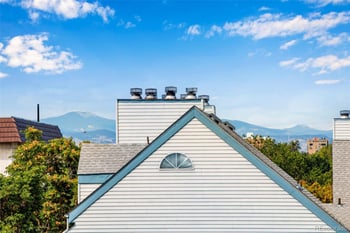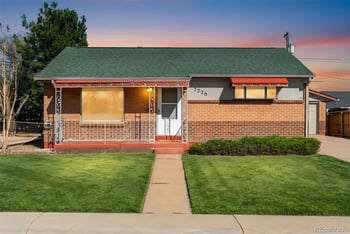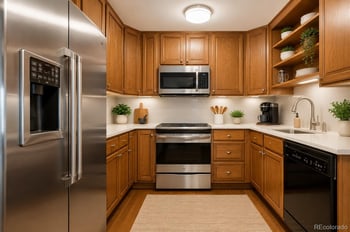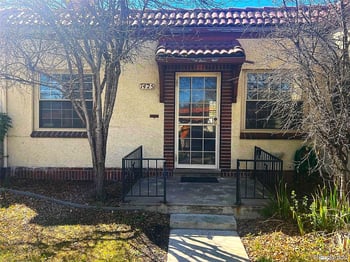
$825,000
Active Under Contract
3
Beds
2
Baths
1547
Sqft
0.23
Acres
1848 S Jasmine St, Denver, CO 80224
MLS#: REC8336486
.jpg)


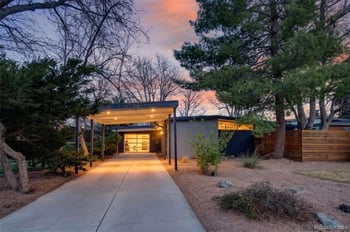
Denver has one of the more significant collections of mid-century modern residential architecture in the country, concentrated in a handful of southeast Denver and Aurora neighborhoods built in the 1950s and 1960s. Buyers drawn to the style are not just chasing a design trend; they are looking at a specific, limited inventory of homes with their own maintenance realities and, in some neighborhoods, historic district rules that govern what can change.
Mid-century modern architecture is defined by low-slung rooflines, large expanses of glass, an open connection between indoor and outdoor space, and simple, functional structure, not by age alone. A 1960s home with a conventional gable roof and small windows is not mid-century modern; a home built decades later that follows the same design principles qualifies. Buyers searching by style, not just by decade, should look at floor plans and window placement, not just the year built.
Intact original details, clerestory windows, exposed post-and-beam construction, built-in cabinetry and shelving, and original terrazzo or hardwood flooring, carry a premium over a home from the same era that lost those details to a 1990s or 2000s remodel. Buyers touring inventory in this category should ask directly whether windows, doors, and cabinetry are original or replaced, since a well-matched replacement can look nearly identical in photos but affects value differently than the original material.
Southeast Denver holds several concentrated pockets of mid-century modern homes built by the same small group of architects and builders in the 1950s and 60s, along with scattered examples in Aurora and south suburban neighborhoods. Inventory is limited and turns over slowly, since owners who buy into the style tend to stay. Search current listings and compare styles by area with the guide to evaluating mid-century modern homes in Colorado.
Some of Denver's mid-century modern neighborhoods carry local historic district designation, which means exterior changes, additions, and even some window replacements need design review approval before work starts. This protects the character that makes the neighborhood desirable, but it also means a buyer planning a major exterior remodel needs to check the district's rules before writing an offer, not after closing. Review the process in the Denver ADU, zoning, and historic district guide.
Many mid-century modern homes use flat or low-slope rooflines, which handle Colorado's hail season and heavy spring snow differently than a standard pitched roof. Drainage is the main concern: flat roofs need clear scuppers or drains and a membrane rated for UV exposure at altitude, and standing water after a storm is a red flag on an inspection. Budget for roof inspection by a contractor with specific flat-roof experience, not a general roofer.
Large single-pane window walls were a defining feature of the style but were not designed for Colorado's temperature swings or current energy costs. Buyers should budget for high-performance replacement glazing that preserves the original sightlines, and check whether the historic district, if one applies, restricts window replacement materials.
Mid-century modern landscape design favors clean lines, native grasses, and structured plantings over dense foundation shrubs, which pairs naturally with Colorado's push toward water-wise xeriscaping. Homeowners updating the landscaping on a mid-century property should keep sightlines open between the house and yard, a core design principle of the style, rather than screening the glass walls with tall plantings.
In Denver's established mid-century modern pockets, yes, these homes have sold at a premium over comparable-square-footage homes nearby for years, driven by the limited, non-replicable inventory. Buyers should still price based on recent comparable sales inside the specific pocket, not the broader neighborhood, since value concentrates in the recognized clusters.
Most of Denver's mid-century modern pockets were platted on smaller, more uniform lots than newer south metro subdivisions, which keeps the homes close together and the yards compact. Buyers moving from a larger suburban lot should expect less outdoor space here, offset by mature trees and a walkable street grid that many of these neighborhoods share.
The strongest mid-century modern interiors mix original or reproduction furniture with newer pieces rather than filling every room with period pieces. Simple wood tones, low profiles, and clean lines carry the look; a room does not need to be a museum piece to read as authentic to the architecture.
| Factor | Mid-Century Modern (protected) | Standard Ranch (unprotected) |
|---|---|---|
| Exterior changes | Design review required | Owner's choice, subject to HOA if any |
| Resale premium | Commonly above area comps | Tracks area comps |
| Roof type | Flat or low-slope in most cases | Pitched in most cases |
| Window upgrade cost | Higher, must match sightlines | Standard replacement pricing |
Southeast Denver's concentrated clusters differ from each other in lot size, price band, and how strictly renovation is regulated. Some pockets carry local historic designation with formal design review; others share the same architectural style without that layer of oversight, which gives owners more flexibility to update systems and finishes. A buyer's renovation plans should shape which specific pocket to search, not the reverse.
Buyers planning an exterior renovation in a designated pocket should request the design review board's guidelines directly from the city before closing, not after. Approved changes preserve the roofline, window pattern, and exterior material palette in nearly every case, while allowing updates inside; the review process adds time to a renovation schedule that should be built into the project plan from the start.
The Kenna Real Estate Group tracks Denver's mid-century modern pockets closely, including which homes sit inside a historic district and which recent sales set the current comps. Call or text 303-955-4220. A live person answers. Not a robot, not a phone tree. Or search every home for sale in Colorado.
Questions about any home in Colorado? Call or text 303-955-4220. A live person answers.
Low-slung rooflines, large expanses of glass, an open connection between indoor and outdoor space, and simple, functional structure define the style. It is defined by design, not by decade alone.
Some are locally designated historic districts, which require design review approval for exterior changes and additions. Confirm the specific designation status before planning renovation work.
Yes. A contractor with specific flat-roof experience should check for clear drainage and a UV-rated membrane, since standing water after a storm is a common issue on this roof type.
They were not designed for Colorado's temperature swings or current energy costs, and original steel or aluminum frames leak air in most cases. High-performance replacement glazing that preserves the sightlines is the common fix.
In Denver's established mid-century modern pockets, they have sold at a premium over comparable-square-footage homes nearby for years, due to limited, non-replicable inventory.
It depends on whether the property sits inside a locally designated historic district. If it does, exterior additions need design review approval before work starts.
Not in most cases. Original 1950s and 60s panels are frequently undersized for modern appliance loads and EV charging, and should be checked before an offer.
Mix original or reproduction pieces with newer furniture rather than filling every room with period pieces. Simple wood tones, low profiles, and clean lines carry the look without a museum feel.