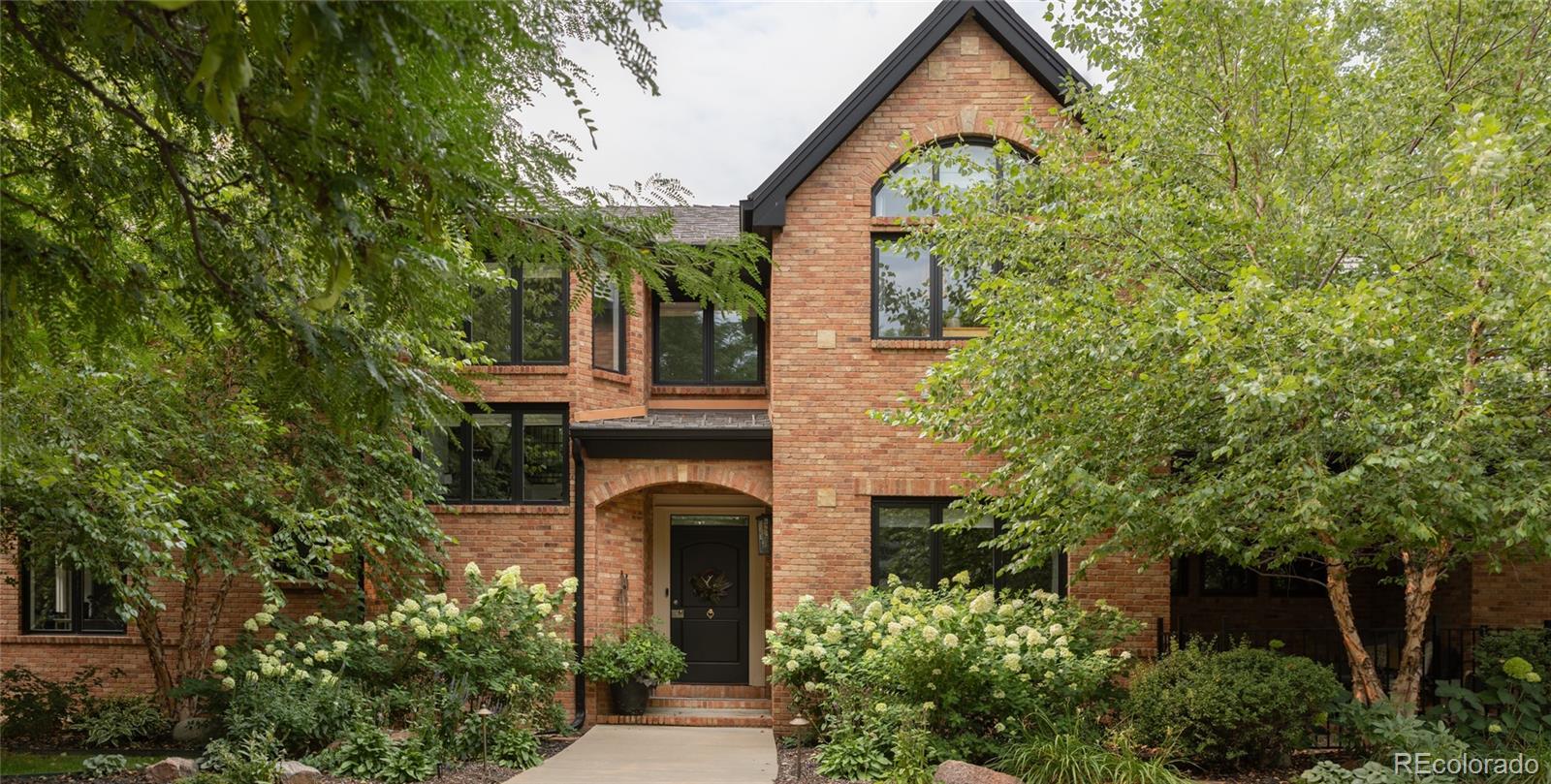
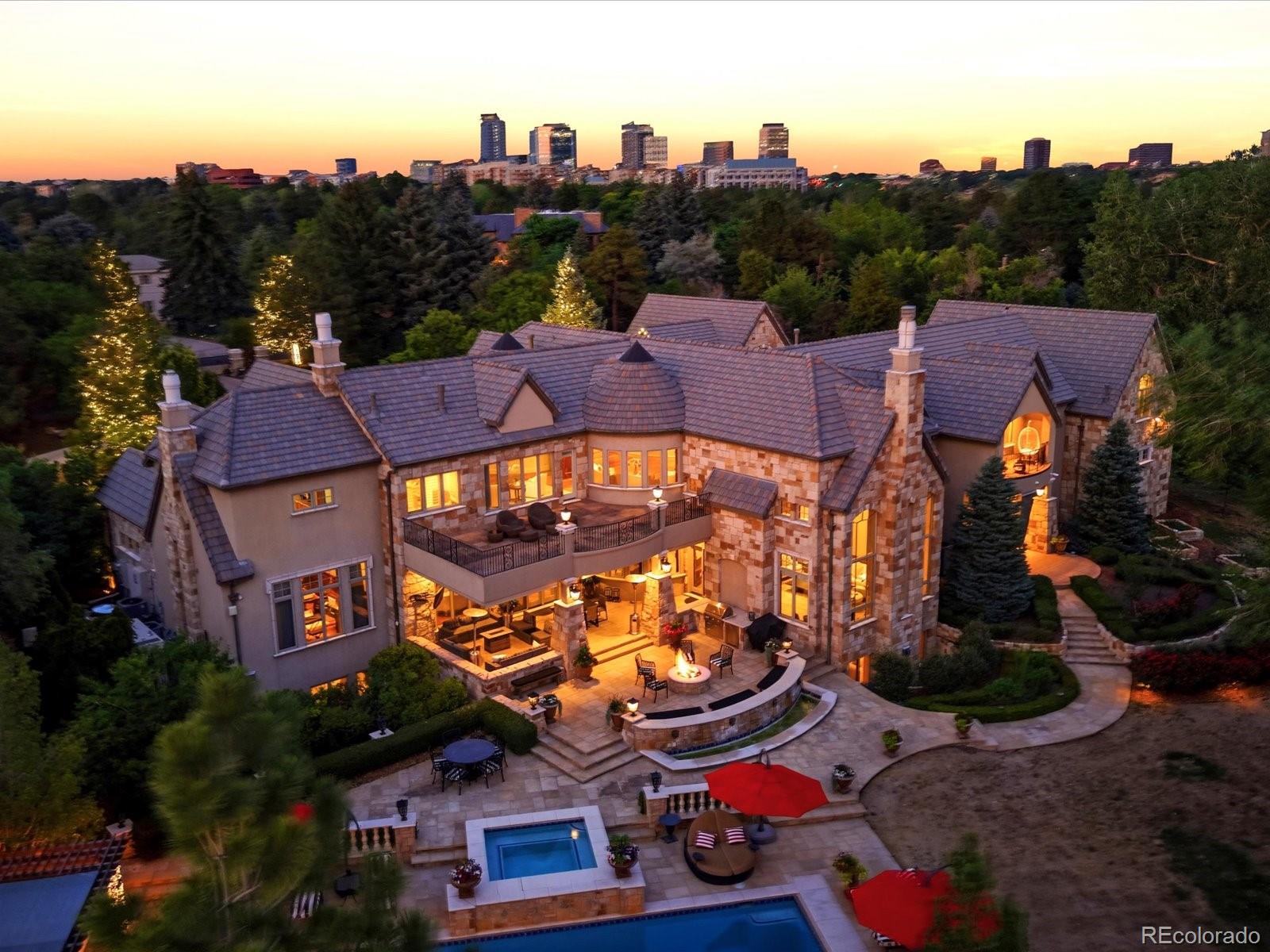
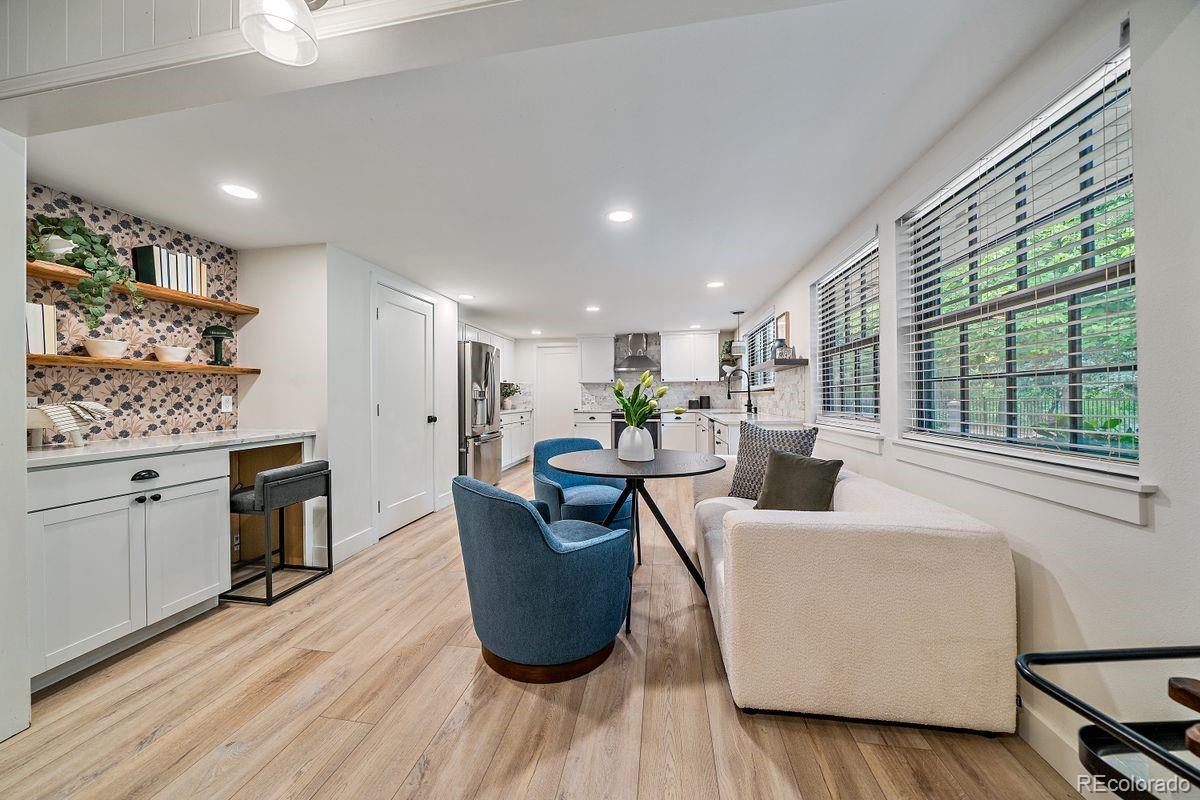
$3,650,000
Active
--
Beds
--
Baths
--
Sqft
2.09
Acres
4301 S High St, Cherry Hills Village, CO 80113
MLS#: 6686484
.jpg)


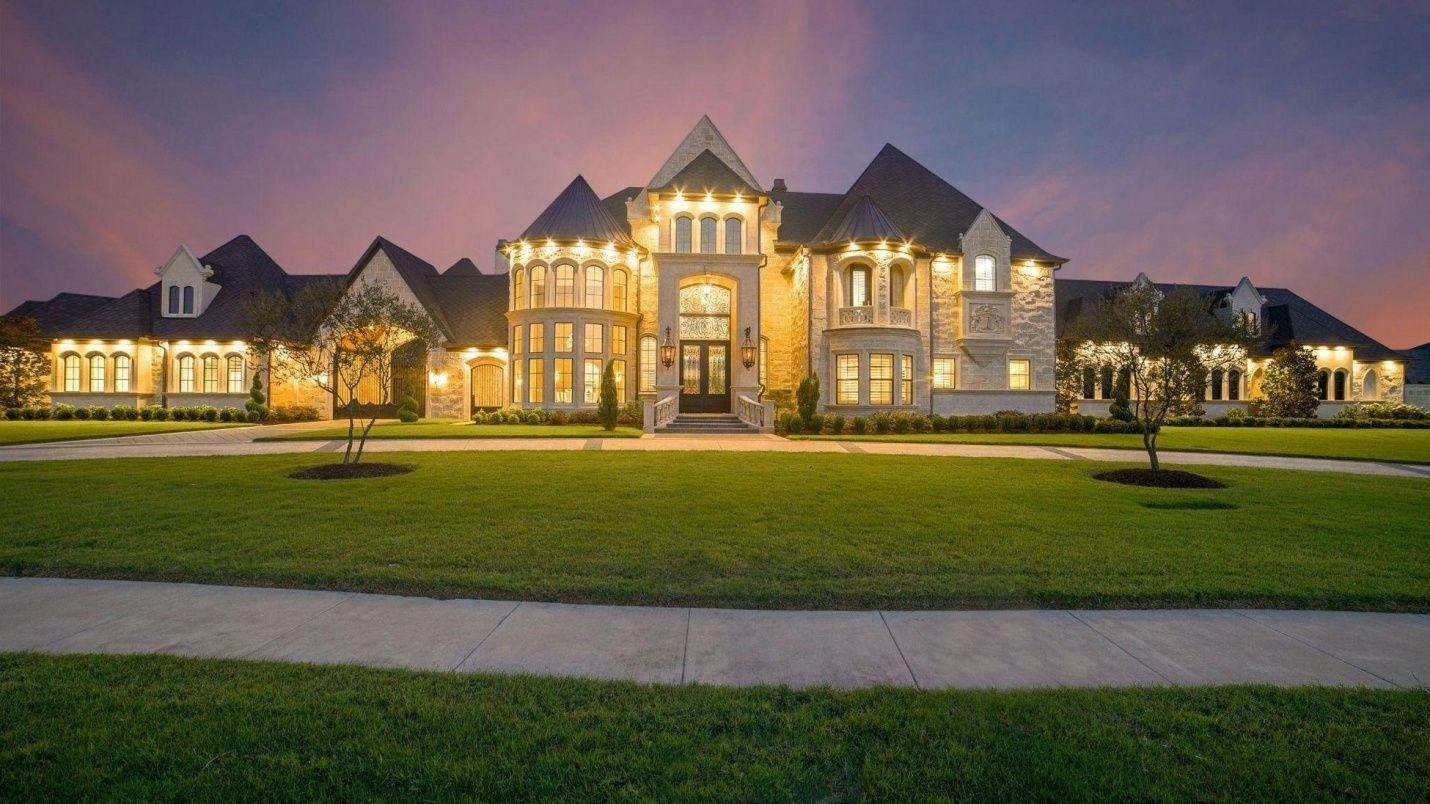
A house does not become a luxury home because of one feature. On the Front Range, luxury is a combination of price band, lot, view, finish quality, and location, and each of those carries different weight depending on the city. A $1.4 million home in Cherry Hills Village and a $1.4 million home in Aurora are not competing in the same market, even at the same price.
There is no single dollar figure that defines "luxury" across the Denver metro. In Cherry Hills Village and Castle Pines, luxury inventory starts near $1.5 million. In Greenwood Village and Lone Tree, strong luxury listings appear from $1.2 million up. In Boulder, land scarcity pushes the entry point higher before finishes even factor in. See current price bands by area in the Colorado luxury homes for sale by area guide.
In established close-in neighborhoods like Cherry Hills Village, land carries a larger share of the total price than the structure sitting on it, which is why a dated interior does not always translate to a discounted price. In newer developments in Castle Pines and the south metro, the structure and finishes carry more of the value since the lots are smaller and more uniform. Buyers comparing two luxury listings at the same price need to know which side of that split they are paying for.
A half-acre to two-acre lot with mature trees and no direct sightline into a neighbor's yard adds real value in the south metro, where new construction commonly sits on smaller lots. Buyers touring luxury listings consistently rank privacy and lot size above square footage once a home clears 4,000 square feet.
An unobstructed mountain view from the primary suite or main living area adds a measurable premium in west metro and foothills-adjacent listings, and that premium holds even when the interior finishes are dated. Buyers should budget separately for the view and for any needed updates, since the two rarely trade off evenly.
A custom luxury build is designed around one buyer's specifications; a spec luxury home is built on a builder's plan for the open market. Custom builds cost more per square foot and take longer to sell because the design choices, layout, and finish palette were not made with resale in mind. A spec luxury home in a planned community like RidgeGate or Inspiration sells faster because the layout and finishes were chosen to appeal broadly.
Mountain modern architecture, heavy timber, metal roofing, large glass walls, is dominant in new luxury construction west of I-25 and in Lone Tree, while traditional and transitional styles remain common in established Cherry Hills Village and Greenwood Village neighborhoods. Neither style commands a consistent premium over the other; buyer preference in a specific neighborhood matters more than the architectural trend.
Horse properties with five or more acres form their own luxury category on the Front Range, priced more on land, water rights, and outbuildings than on the house itself. A modest home on 10 acres with a working barn and irrigated pasture can carry a higher price than a much larger home on a standard suburban lot. Review the full breakdown in the Colorado horse property buying guide.
Custom luxury homes are harder to appraise because there are fewer direct comps. Appraisers adjust for lot size, view, and finish quality using the nearest available sales, even when those sales do not match closely, which is why custom homes above $2 million benefit from a pre-listing value opinion built from a wider comp set rather than the standard three-comp approach. A Smart Pricing Report pulls a broader comparable set for exactly this situation.
Solar-ready roofs, heat pump systems, and Xcel Energy rebate-eligible upgrades are increasingly part of luxury new construction, not a separate "green home" category. Buyers comparing two similar luxury homes are starting to factor utility costs into their decision the same way they factor in finishes.
Luxury homes on the Front Range take longer to sell than the metro-wide median in most cycles, since the buyer pool is smaller at every price point above $1.5 million. Pricing accurately from day one matters more at this level, since a luxury listing that sits and re-prices signals more to buyers than a standard resale would.
Luxury properties on one acre or more outside a standard subdivision come with their own well, septic system, or water rights that a smaller in-town lot never touches. Buyers should confirm well permit records and septic inspection history before closing on any luxury property outside a municipal water and sewer district, since the cost to fix an undersized septic system or a well with low yield runs into the tens of thousands of dollars.
Two homes on the same street rarely price identically at the luxury level. A cul-de-sac lot backing to open space or a golf course commands a premium over an interior lot on the same block, and a corner lot with two street-facing sides sells at a discount in most comparisons because of the reduced privacy. Buyers comparing listings should map each property's specific position within the neighborhood, not just its square footage and finish list, before ranking options.
New luxury construction in areas like RidgeGate and Inspiration offers the newest systems and warranties but comes with ongoing construction noise nearby and unproven long-term community character. Established luxury neighborhoods like Cherry Hills Village and Hilltop carry mature landscaping, a defined street grid, and a settled resale track record, but need system updates that a newer home does not, in most cases. Neither category is the better choice universally; it depends on how much a buyer values predictability versus newness.
The Kenna Real Estate Group tracks luxury comps, view premiums, and lot values across the Front Range every week, and can help you price a custom home accurately or find the right luxury property for your search. Call or text 303-955-4220. A live person answers. Not a robot, not a phone tree. Or search every home for sale in Colorado.
Questions about any home in Colorado? Call or text 303-955-4220. A live person answers.
It depends on the city. Cherry Hills Village and Castle Pines luxury inventory starts near $1.5 million, while Greenwood Village and Lone Tree carry luxury listings from $1.2 million up.
No. Square footage alone does not define luxury; lot size, privacy, view, finish quality, and location all factor in, and a smaller home with an unobstructed mountain view outprices a larger home without one.
A custom build is designed around one buyer's specifications and costs more per square foot; a spec luxury home is built on a builder's plan for the open market and sells faster in most cases because the design was chosen to appeal broadly.
Yes, as their own category. Properties with five or more acres are priced more on land, water rights, and outbuildings than on the house itself.
They adjust for lot size, view, and finish quality using the nearest available sales, which is why custom homes above $2 million benefit from a broader comparable set than the standard three-comp approach.
Yes. An unobstructed mountain view from the primary living area or suite adds a measurable premium in west metro and foothills-adjacent listings, independent of interior finish condition.
In most cycles, yes, since the buyer pool narrows at every price point above $1.5 million. Accurate initial pricing matters more at this level than at the median price point.
Neither style holds a consistent premium over the other. Mountain modern dominates new construction west of I-25 and in Lone Tree, while traditional styles remain common in established neighborhoods like Cherry Hills Village.