New - 2 Hours Ago
$524,900
Active
6
Beds
4
Baths
3292
Sqft
0.1148
Acres
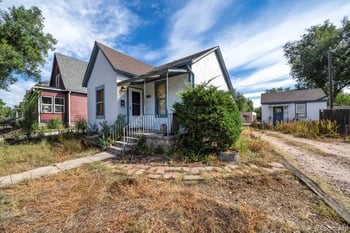
7961 Sandsmere Dr, Colorado Springs, CO 80908
MLS#: 5235349
.jpg)



A Colorado homeowner who bought on the Front Range in the last decade is sitting on real, measurable equity, and there are specific, legal ways to turn that equity, plus the tax code, into cash saved or cash in hand. This guide answers the money questions Denver metro and Colorado Springs owners ask most: what you owe at sale, what you can deduct, what a refinance actually costs, and where the rebates are.
Home values across Denver, Aurora, Lakewood, Centennial and Colorado Springs rose sharply between 2020 and 2022, then leveled off. An owner who bought in 2019 or earlier still holds a substantial equity cushion even after the flatter 2024-2026 market. Equity is the gap between what the home is worth today and what is still owed on the mortgage; a current market report for your ZIP code is the fastest way to see where your home stands.
Federal law lets a single filer exclude up to $250,000 of profit from the sale of a primary residence, and a married couple filing jointly can exclude up to $500,000, as long as the home was owned and lived in for at least two of the last five years. Profit above that threshold is taxed as a capital gain. A closing statement or a call with a tax preparer before you list will confirm your basis, including the cost of major improvements, which raises your basis and lowers the taxable gain.
Mortgage interest on a loan up to the current federal limit and state and local property taxes, capped at $10,000 combined with state income tax under current law, are the two deductions most owners itemize. Points paid at purchase and, in some cases, home office expenses for a qualifying self-employed owner add to the list. A CPA who works with Colorado homeowners will confirm which of these apply to your return; this article is not tax advice.
Xcel Energy runs rebate programs for high-efficiency furnaces, heat pumps, smart thermostats, attic insulation and window upgrades across its Colorado service territory. Rebates change by year and by equipment type, so check the current Xcel Energy rebate catalog before you buy equipment; some rebates require a pre-approved contractor. Pairing a rebate with a furnace or insulation upgrade before winter is one of the few home projects that pays for part of itself the same year it is done.
A refinance makes sense when the new rate is low enough, and the time you plan to stay in the home is long enough, that the monthly savings cover the closing costs within a two-to-four-year window. Run the math on your Colorado refinance numbers before applying: closing costs on a refinance run 2% to 5% of the loan amount. Mike Oswald at Rate (NMLS 261003, Equal Housing Lender) walks Front Range owners through the break-even math at no cost; you are free to use any lender.
A HELOC is a revolving line secured by your home, up to 80% to 85% of the home's value minus the mortgage balance. Owners use it for a kitchen remodel, a roof, or to bridge a purchase before a sale closes. Rates float with the prime rate, so payments change month to month. The home equity and net proceeds guide breaks down how a HELOC balance affects what you walk away with if you later sell.
Colorado property tax funds county government, local education funding, fire protection, water and, in many Front Range subdivisions, a metro district that carries its own bonded debt for streets and parks. Two homes of the same value in different metro districts can carry very different tax bills. Ask for the mill levy breakdown before you buy, not after the first bill arrives.
Yes. Denver, Arapahoe, Jefferson, Douglas and El Paso counties each mail a Notice of Valuation, and every county gives owners a set spring window, shortly after Notices of Valuation are mailed, to file a protest with comparable sales. A realtor who pulls comparable closed sales in your neighborhood can help you decide whether an appeal is worth filing.
A permitted structure that adds finished square footage or a fixed improvement, such as a finished basement, an added bedroom, or a large deck, raises the assessed value at the next reassessment cycle. A privacy fence or a small shed rarely moves the needle on its own. Check with your county assessor's office before a large project if the tax impact affects your budget.
Garage door replacement, a new entry door, and a minor kitchen remodel consistently return the highest share of their cost at resale in national cost-versus-value studies, and Front Range buyers respond well to updated kitchens and finished basements specifically. The preparing and adding value before selling guide ranks projects by local return before you spend a dollar.
| Project | Typical Front Range cost | Share of cost returned at resale |
|---|---|---|
| Garage door replacement | $2,000 - $4,500 | Highest of common projects |
| Minor kitchen remodel | $15,000 - $30,000 | High |
| Finished basement | $25,000 - $60,000 | Moderate to high |
| New primary bath | $15,000 - $35,000 | Moderate |
Colorado sits inside a hail corridor that runs roughly from Colorado Springs through Denver to Fort Collins, and hail season stretches from spring through September. Homeowners insurance premiums on the Front Range reflect that risk; a separate wind and hail deductible, a percentage of the dwelling coverage rather than a flat dollar amount, is common on Colorado policies. Ask your carrier to show that deductible in dollars before you sign.
The answer depends on your mortgage rate compared with what you would otherwise earn on that money after tax, and on how much cash reserve you want on hand. A homeowner on a rate secured before 2022 commonly comes out ahead investing the difference; a homeowner who refinanced at a higher rate more recently gains more from extra principal payments. Run both scenarios with a financial planner rather than guessing.
Equity builds two ways: principal paydown on the loan and appreciation in the home's value. In a market rising 3% to 5% a year, a starter home purchased with 5% down can double the owner's original investment in equity within five to seven years once paydown is added in. A Denver metro market report for the specific ZIP code shows the appreciation side of that math.
Divide the closing costs by the monthly savings to find the break-even month. A refinance that costs $6,000 and saves $150 a month breaks even in 40 months; an owner who plans to move before then loses money on the refinance. Ask your lender for that break-even number in writing before you commit.
A cash-out refinance, a HELOC, or a home equity loan each convert paper equity into spendable cash while you keep the home. Each option adds debt secured by the property, so the math only works when the cash is used for something that either pays for itself, such as a rate-and-term improvement, or preserves the home's value, such as a roof replacement before hail season.
Beyond Xcel Energy's efficiency rebates, Denver Water and several Front Range municipal utilities offer turf replacement and xeriscape rebates that pay owners to swap thirsty bluegrass for low-water landscaping. Combined with lower summer water bills, a xeriscape conversion pays for itself within several seasons in a dry Front Range summer.
A metro district charges its own mill levy on top of county property tax to repay bonds for streets, parks and water infrastructure in newer subdivisions; an HOA charges a separate monthly or annual dues amount for shared amenities and maintenance. Both are real, recurring costs that belong in your monthly budget next to the mortgage payment, not treated as optional.
The Kenna Real Estate Group helps Front Range owners read their equity position correctly, decide when a refinance or a sale makes sense, and price a home to net the most at closing. Call or text 303-955-4220. A live person answers. Not a robot, not a phone tree. Ready to see what is on the market right now? Search every home for sale in Colorado.
Questions about any home in Colorado? Call or text 303-955-4220. A live person answers.
Up to $250,000 for a single filer and $500,000 for a married couple filing jointly, as long as you owned and lived in the home for at least two of the last five years.
It varies widely by county and by whether the home sits inside a metro district. Ask for the mill levy breakdown on any home before you make an offer.
No, rebates cover a portion of the cost for qualifying high-efficiency equipment. Check the current Xcel Energy rebate catalog before you buy.
A HELOC commonly has lower closing costs but a floating rate; a cash-out refinance replaces the whole mortgage at a new rate. Compare both with a lender before deciding.
Most counties open a protest window in spring, shortly after Notices of Valuation are mailed. Check your county assessor's calendar for the exact dates.
Garage door replacement and entry door replacement consistently return the highest share of their cost among common Front Range projects.
A metro district's mill levy stays in place until its bonds are repaid, which can take decades. Ask for the district's payoff schedule before buying in a newer subdivision.