.jpg)


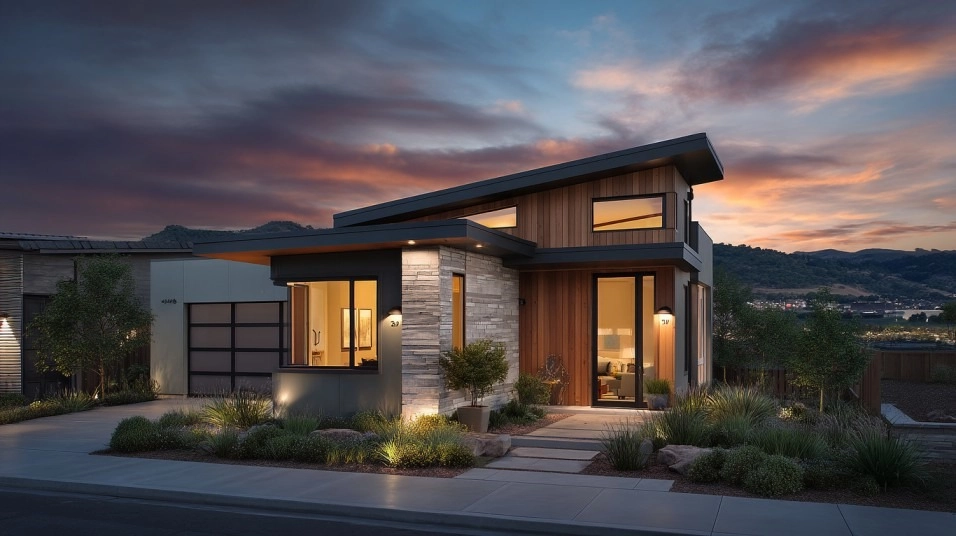
Colorado's housing hunt is a paradox. Inventory is tight in the Front Range, prices are high in resort counties, and the state's topography swings from high-desert plains to snow-loaded peaks within a few hours' drive. Yet great houses—well-sited, well-detailed, and durable—do surface for buyers who mix market savvy with an architect's eye. Here's a field guide to spotting problems early, recognizing underpriced gems, and avoiding the traps that turn a "dream mountain house" into a maintenance log.
Start with the land, not the listing photos.
A weak site can undermine a promising listing. Walk the lot edges first. In the foothills and along the Front Range, expansive clay soils telegraph future movement: look for stair-step cracks in masonry, out-of-square door frames, or patched drywall seams at corners. In the mountains, focus on slope and drainage. A house that nestles into grade should still shed water; confirm positive slope away from foundations and that downspouts discharge well past snow berms. In canyon country, check for dry washes—flash-flood channels that can reroute water during late-summer storms.
Good solar orientation is a real asset at altitude. South-facing glazing with roof overhangs outperforms its weight in terms of comfort and energy bills. North-facing glass walls with no wind breaks, by contrast, read as "future heat-loss and drafts."
Read the roof like a pro.
Colorado homes accumulate snow, ice, and windborne grit—your roof tells you how the house handles all three. Favor simple roof geometries with continuous eaves, generous overhangs, and minimal valleys. Look for metal pans or high-quality shingles rated for mountain conditions, proper kick-out flashing where roofs meet walls, and ice-and-water shield visible at eave edges or documented in past work orders. Ice dams at the eaves indicate warm-air leaks in the attic and thin insulation; the remedy is feasible but not free, so adjust the price accordingly. At high elevations, steeper pitches and snow retention devices are crucial; flat roofs can work, but only with proven waterproofing and well-maintained drainage systems.
Windows, doors, and the envelope that keeps you sane
A quick envelope audit separates "photogenic" from "performant." Verify that window schedules are consistent—having too many sizes complicates replacements and increases costs. In wildfire-adjacent zones, Class A roofing and ember-resistant venting are the baseline, and dual-pane windows (tempered where appropriate) are a smart layer of protection against heat and debris. In older Denver bungalows, look for storm windows that have been swapped for modern units and verify that insulation upgrades haven't trapped moisture inside plaster walls; a musty smell near exterior corners can be a clue.
Ready to Buy a Smart Home in Colorado?
Let us help you. Call or Text Kenna Real Estate Group at 303-955-4220 to get personalized assistance from our expert real estate agents. Find out what your home is worth in today's market.
Circulation and layout: the quiet killers of livability
Even solid structures can fail the daily-life test. Does circulation cut diagonally through living spaces, or does it group short, efficient connections? Are mudrooms actually located on the path from the garage, with storage that keeps winter gear off hardwood floors? In mountain homes, note where groceries travel—hauling bags upstairs past a wood stove is a design miss you'll feel every week. Basements should have legal egress, mechanical rooms with sufficient clearances for servicing, and direct routes for future upgrades.
Structure and decks: where structural soundness meets resale
Decks in Colorado are either loved or hated by appraisers: great if they're built right, value-neutral if they're wobbly. Examine the ledger board where the deck meets the house—flashing should be intact, fasteners corrosion-resistant, and posts properly anchored. Inside, look down long ceilings for "smiles" (sagging), and check that no previous owner hacked trusses for can lights. A few hairline foundation cracks are normal; horizontal or wide, tapered cracks deserve an engineer's look before you waive inspection objections.
Services and systems: hidden costs in plain sight
Ask for the age and type of heating and cooling. High-altitude heat pumps are increasingly viable, but older equipment may struggle at winter design temperatures. Verify duct sealing; black dust halos around supply registers can signal leakage. In the mountains and on the Western Slope, well and septic systems demand extra due diligence—pump reports, water tests, and tank location matter as much as finishes. Along the Front Range, consider adding a radon test; mitigation is straightforward, but a strong reading serves as a negotiation lever.
Use technology to stress-test the layout before emotions take over.
Mid-search fatigue is real; buyers fall for stone fireplaces and views, then inherit awkward kitchens and dark halls. A practical countermeasure is to run a quick design sanity check with modern floor plan software: keep a 2-D plan synced to a live 3-D view, drop in basic furniture, test daylight and sightlines, and export a clean PDF for your inspector or engineer. Fast photorealistic images help you compare "the feel" of two contenders in minutes, not weeks, and reduce the back-and-forth that burns precious option time.
How to find gems others overlook
Stale listings in desirable clusters or trail-adjacent neighborhoods often conceal solvable flaws: dated siding with a firm structure behind it, a chopped-up first floor ready for a single non-bearing wall removal, or a 1990s primary suite that requires only window upgrades and insulation at the rim joist. Seek houses with simple massing—rectangles and Ls—which welcome envelope improvements (continuous exterior insulation, straightforward window swaps) without expensive custom detailing. A shallow plan depth (rooms no more than 25–30 feet from light on at least one side) feels better than square footage suggests and photographs poorly—your advantage.
Ready to Buy a Smart Home in Colorado?
Let us help you. Call or Text Kenna Real Estate Group at 303-955-4220 to get personalized assistance from our expert real estate agents. Find out what your home is worth in today's market.
The offer strategy that protects your future
Write offers contingent on a few critical items: a thorough sewer scope (clay or Orangeburg in older Denver stock can blow budgets), a roof inspection (hail history matters), and a basic energy audit. If a seller's pre-inspection glosses over these, assume the risk is real and bid accordingly. Don't fear inspection objections; in Colorado's mixed markets, sellers often prefer credits over repairs—use them to fund the work you would have done anyway, and keep control of quality.
What to renovate first (and what to let go)
Start with the envelope and comfort: air sealing, attic insulation, and window replacements that actually pencil—mechanical upgrades slot next, especially smart thermostats and ventilation that keep winter air fresh without opening windows. Kitchens and baths are third—worth doing right, but not while heat leaks through the roof. Beware the temptation to over-improve for the neighborhood; beyond a certain threshold, the "nicest house on the block" is a flip's headache, not an owner's win.
When to call in the cavalry
Even seasoned buyers benefit from a 90-minute walk-through with an architect or contractor before you lock the inspection period. Ask them to flag structural risks, envelope priorities, and quick wins. Request a "first 100 days" list—three or four projects that deliver comfort and durability without large permits. If your short list includes a mountain property, add an energy rater or building-science consultant to the team and demand a snow-load and ice-dam strategy up front.
The Colorado bottom line
The state rewards homes that respect climate and topography, featuring simple forms, durable envelopes, innovative water management, and layouts that minimize daily friction. If you calibrate your eye to those traits—and stress-test them with clear visuals and disciplined inspections—you'll stop chasing magazine shots and start recognizing the houses that stay comfortable, quiet, and low-maintenance for decades. That's the true gem: not the view by itself, but the design that lets you enjoy it every day, in every season.
Related Articles
- 6 Red Flags You Should Watch for in an HOA
- How to Spot Foundation Red Flags in Older Homes on the Market
- Want to Sell Faster? Why Windows Are the Most Underrated Upgrade in Colorado Real Estate


