New - 15 Mins Ago
.jpg)


Front Range buyers increasingly ask about trail and greenway access before they ask about square footage, and touring a neighborhood by e-bike instead of by car answers that question directly: it shows exactly how a property connects to the Cherry Creek Trail, the Platte River corridor, Clear Creek or a neighborhood's own path network, at the pace a resident would actually use it.
Colorado's trail network is dense enough on the Front Range that "how does this street connect to the trail system" is now a standard question during a showing, right alongside HOA dues and property taxes. A car tour cannot answer that question the way riding the actual connector path can, which is why agents touring listings on an e-bike are showing buyers something a drive-by cannot: grade, surface, and how many minutes it actually takes to reach the trailhead, a park, or a commercial strip.
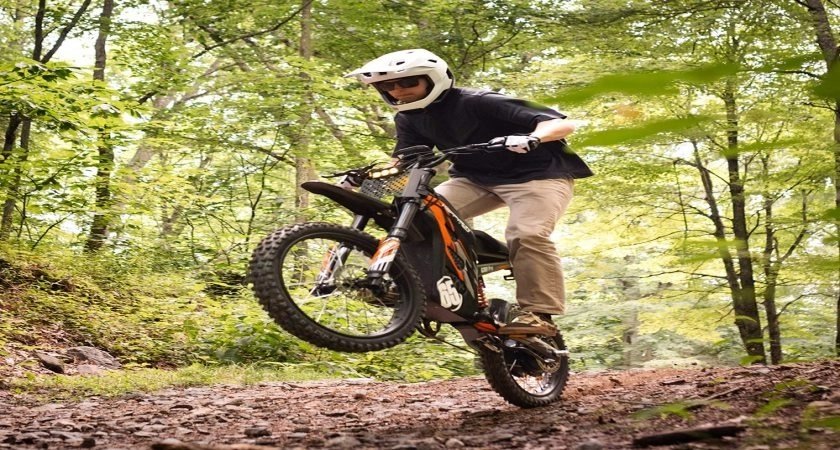
Colorado law defines three classes of electric bicycle. Class 1 and Class 2 e-bikes, pedal-assist or throttle-assisted up to 20 mph, are allowed on most Front Range paved and natural-surface trails that allow standard bicycles unless a specific trail posts otherwise. Class 3 e-bikes, assisted up to 28 mph, face more local restrictions and are commonly excluded from natural-surface and shared multi-use paths in Denver metro parks systems. A true electric dirt bike built for off-road motocross-style riding is treated as an off-highway vehicle under Colorado law rather than a bicycle, and it needs registration and is restricted to designated OHV routes, not neighborhood trails or greenways, so a tour vehicle marketed as an electric dirt bike should be confirmed as trail-legal before it is used on a public path. Most agents running this kind of tour on shared Front Range trails end up choosing a Class 1 or Class 2 pedal-assist model specifically because it stays within existing trail rules without a separate registration or route restriction to plan around.
Elevation does affect an e-bike's usable range: a motor working harder on Front Range grades, combined with thinner air at 5,000 to 7,000 feet reducing a rider's own oxygen-assisted pedaling contribution on a pedal-assist model, pulls down the battery's rated range compared to sea-level marketing numbers. An agent planning a multi-listing tour route on the Front Range foothills should plan for meaningfully less range than the manufacturer's flat-ground estimate, especially on a Class 1 or 2 model doing repeat climbs between showings.
Front Range HOAs increasingly write e-bike rules into their governing documents, covering where a bike is stored, whether charging is allowed in a garage outlet without a dedicated circuit, and whether a shared trail easement through the community allows motorized-assist bicycles at all. A buyer planning to rely on an e-bike for daily transportation within a planned community should request the HOA's current rules before assuming a garage outlet and the community trail are both available for that use. This comes up most in newer metro-district communities across Commerce City, Brighton and the far south suburbs, where the governing documents are only a few years old and address e-bikes explicitly, unlike older HOA covenants that never anticipated them.
A listing near one of these corridors is a genuine amenity worth showing rather than describing, and an e-bike route through the connection to a trailhead makes that case faster than a written description in a listing.
Front Range trail conditions shift hard between seasons: hail season, running from spring through early fall, can close a route mid-tour, while winter ice on natural-surface sections along creek corridors lingers for days after a storm even when city streets are clear. An agent scheduling an e-bike tour of a listing's trail connection should build a weather-dependent backup into the showing plan, and should check which agency maintains that specific trail segment before promising year-round access as a selling point.
Colorado does not require a helmet for adult e-bike riders on public trails, though a growing number of Front Range trail systems post their own local rules on e-bike classes and speed near pedestrian-heavy sections such as trailhead parking lots and creek crossings. An agent using an e-bike regularly for listing tours should keep current on the specific rules for each jurisdiction's trail system rather than assuming one city's rules apply metro-wide, since Denver, Jefferson County and Douglas County each set their own local trail regulations.
A home directly adjacent to a maintained trail or greenway commonly commands attention from buyers prioritizing outdoor recreation access, and it is worth noting specifically in listing photos and video rather than leaving it as a line in the description. See marketing a Colorado home to sell for how an agent documents this kind of amenity in a listing.
Riding an electric dirt bike or a standard Long Range Electric Bike along the actual connector path from a listing to the nearest trailhead, park or commercial strip produces video content a static photo cannot, and it works especially well on larger acreage or horse properties where covering the actual grounds on foot during a showing takes far longer than covering the same ground on two wheels.
A buyer prioritizing this should confirm the trail's maintenance authority, city, county or a metro district, since winter snow removal on natural-surface trails varies widely across the Front Range, and should confirm the actual paved or maintained connector distance from the property line to the trail entrance rather than relying on a map's straight-line distance. A short ride to a trailhead reads very differently from a route that requires crossing a busy arterial road first, and that difference only shows up by actually riding the connector, not by looking at a map.
Whether trail access is the top priority in a Front Range home search or a listing's connection to a greenway deserves better marketing, the Kenna Real Estate Group shows Colorado buyers and sellers the neighborhood the way residents actually use it. Call or text 303-955-4220. A live person answers. Not a robot, not a phone tree. Ready to look at homes instead? Search every home for sale in Colorado.
Questions about any home in Colorado? Call or text 303-955-4220. A live person answers.
Yes, on most paved and natural-surface trails that already allow standard bicycles, unless a specific trail posts a restriction.
No, in most cases. Colorado treats a motocross-style electric dirt bike as an off-highway vehicle rather than a bicycle, restricted to designated OHV routes, not shared greenways.
Yes. Steady climbs and thinner air at 5,000 to 7,000 feet reduce usable range below flat-ground manufacturer estimates, especially on repeat routes.
Many do. Check the HOA's current governing documents for garage charging rules and whether motorized-assist bicycles are allowed on community trail easements.
Direct access to a maintained trail or greenway is a genuine amenity buyers prioritizing outdoor recreation notice, and it is worth documenting in listing marketing.
The Cherry Creek Trail, South Platte River Trail, Clear Creek Trail and High Line Canal Trail each link multiple Front Range suburbs to Denver's core trail system.
Maintenance authority varies by trail: a city, a county or a metro district each maintain different segments, and winter snow removal on natural-surface trails differs by who maintains that section.
Yes. Covering a horse property or large-lot listing by e-bike during a showing or for listing video takes a fraction of the time covering the same ground on foot would take.