.jpg)


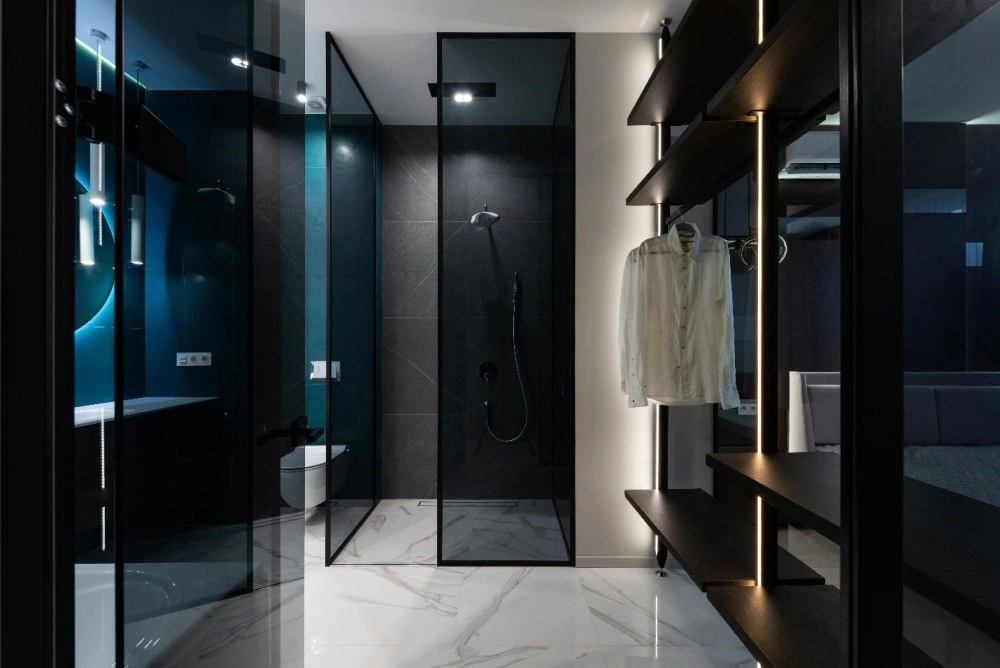
A bathroom on the Front Range is overdue for an update when three things show up together: visible hard-water wear on fixtures and grout, outlets or wiring that predate current code, and a look a buyer's agent would flag as original to the home rather than maintained. Any one of the three is a maintenance item; all three together are a resale problem.
What are the signs a bathroom needs to be updated in Colorado?
Permanent mineral etching on glass and fixtures that no longer cleans off, grout that's cracked or stained past what a deep clean fixes, a vanity with swollen or warped particleboard at the water line, an exhaust fan that's loud or barely moves air, and outlets without GFCI protection are the five signs that show up most in Front Range bathrooms due for an update.
How does hard water accelerate bathroom wear in Colorado?
Front Range water runs 7 to 15 grains per gallon of hardness, and that mineral load etches glass and unsealed grout, clogs showerheads and faucet aerators, and shortens the working life of anything with an internal water line faster than in a soft-water region. A bathroom that would show light wear after fifteen years in a low-mineral climate shows heavy wear in eight to ten years here.
Does an outdated bathroom cause problems in a Colorado home inspection?
Yes, when the outdated parts are functional, not cosmetic. A home inspector flags missing GFCI protection, active leaks, water damage around a tub or shower, and non-functional exhaust ventilation, and those items become a repair request during the inspection objection deadline, the window in a Colorado contract when a buyer can ask for repairs, a credit, or walk away. Cosmetic wear like dated tile color doesn't show up on an inspection report but still affects how a buyer prices their offer.
What electrical code issues show up in older Denver bathrooms?
Bathrooms built or last wired before the 1990s commonly have standard outlets instead of GFCI-protected outlets near the sink, which current code requires for any new or altered bathroom circuit. Updating a bathroom's electrical to include GFCI protection, adequate lighting circuits, and a properly vented exhaust fan is inexpensive relative to the rest of a remodel and is one of the first things worth fixing regardless of whether you update anything else.
When should I replace a bathroom exhaust fan in Colorado?
Replace a bathroom fan when it's noticeably loud, when it no longer clears mirror fog within ten minutes after a shower, or when it's more than fifteen years old, since fan motors lose efficiency well before they fail outright. A correctly sized, quiet fan matters as much in Colorado's dry climate as in a humid one, since a hot shower produces the same steam load regardless of how dry the air feels the rest of the day.
Does cracked grout or tile mean it's time to update a Front Range bathroom?
Cracked grout at a shower floor or a threshold, especially in a Denver metro or Colorado Springs home on expansive clay soil, is worth investigating before it's treated as purely cosmetic — it can signal water intrusion behind the tile that's worth checking before it becomes a larger repair. Isolated hairline cracks from normal seasonal soil movement are common and not urgent on their own; active moisture behind the tile is the sign that changes the timeline.
What plumbing issues show up in bathrooms in older Denver homes?
Galvanized supply lines that have narrowed with decades of mineral buildup, slow drains from scale accumulation, and shutoff valves that no longer turn fully are common in Front Range homes with original 1960s through 1980s plumbing. None of these show up on a walkthrough, which is exactly why a pre-listing plumbing check is worth the cost before a buyer's inspector finds them first.
How old is too old for a bathroom before it hurts resale in Colorado?
A bathroom untouched since original construction reads as overdue to most Denver metro buyers once it passes twenty to twenty-five years old, even if every fixture still works. Buyers price in the cost and disruption of a future remodel, and that discount runs larger than the cost of updating the bathroom before listing in most cases.
What lighting update makes the biggest difference in an outdated bathroom?
Swapping a single center-ceiling fixture for vanity-height sconces beside the mirror changes how a bathroom looks in listing photos more than almost any other single-item update, since even lighting removes shadows that make a bathroom photograph poorly. Lighting is another factor to consider alongside fixture finish, since mismatched metal tones between the light fixture and the faucet read as unfinished even in an otherwise updated room.
Does an outdated bathroom slow down a sale on the Front Range?
Yes. An outdated bathroom generates more buyer hesitation and more inspection negotiation than almost any other single room, which extends time on market and increases the odds of a price reduction. Front Range listings with at least one clearly updated bathroom consistently draw stronger initial offers than comparable homes with an original, unrenovated bathroom, based on the outcomes our clients report after listing.
What GFCI and outlet rules apply to Colorado bathrooms?
Current code across Front Range jurisdictions requires GFCI-protected outlets within 6 feet of a sink or any wet fixture, and any new bathroom circuit installed during a remodel has to meet that standard regardless of what the rest of the house has. Denver, Aurora, Lakewood, and Colorado Springs all enforce this through their electrical permit inspection process.
How do I know if my bathroom is original to a 1970s or 1980s Denver home?
Colored fixtures (avocado, harvest gold, or pastel tile), a single incandescent overhead light with no additional lighting, a cultured-marble vanity top with an integrated sink bowl, and a fiberglass tub-shower combo without a separate shower are the clearest markers of an original 1970s or 1980s Front Range bathroom that hasn't been touched.
What does it cost to update an outdated bathroom in the Denver metro?
A targeted update — new vanity, fixtures, GFCI outlets, updated lighting, and fresh paint, without touching tile or the tub or shower — runs $3,000 to $8,000 in the Denver metro. A full renovation including new tile and a reconfigured tub or shower runs $12,000 to $35,000 for a primary bathroom.
Should I update a bathroom room by room or all at once?
A full renovation done once, with a single permit and one round of disruption, costs less overall in most cases and avoids the mismatched-finish look that piecemeal updates create over several years. If budget forces a phased approach, start with the electrical and plumbing work behind the walls, since that's the part a buyer can't see and the part that matters most to an inspector. A licensed remodeler follows the same sequencing regardless of climate — a Bellevue bathroom remodeling company plans electrical and plumbing first for the same reason a Front Range contractor does, since it's the phase that fails inspection if it's rushed.
What wellness features do buyers expect in an updated Colorado bathroom?
Better ventilation, warm layered lighting instead of a single harsh overhead fixture, and a curbless or low-curb shower are the features Denver metro buyers respond to most as wellness-oriented updates. Writers covering the category describe the shift toward creating spa bathrooms with wellness design and technology trends, and the same features that support that trend nationally are the ones Front Range buyers specifically call out in showings.
Where to go next
- A homeowner's guide to remodeling in Highlands Ranch
- Denver HOA rules and fees guide
- Top flooring choices that boost home value in Denver
- Preparing and adding value before selling in Colorado
- Get a Smart Pricing Report before you update
- Search every home for sale in Colorado
Talk to the Kenna Real Estate Group
Before you spend on an outdated bathroom, the Kenna Real Estate Group can tell you whether it's worth updating for resale or whether buyers in your price band will renovate it themselves regardless. Call or text 303-955-4220. A live person answers. Not a robot, not a phone tree. Talk to one of our Front Range agents directly, or search every home for sale in Colorado to see how comparable listings have updated their bathrooms.
Homes for sale that match this post
Guides
Questions about any home in Colorado? Call or text 303-955-4220. A live person answers.