.jpg)


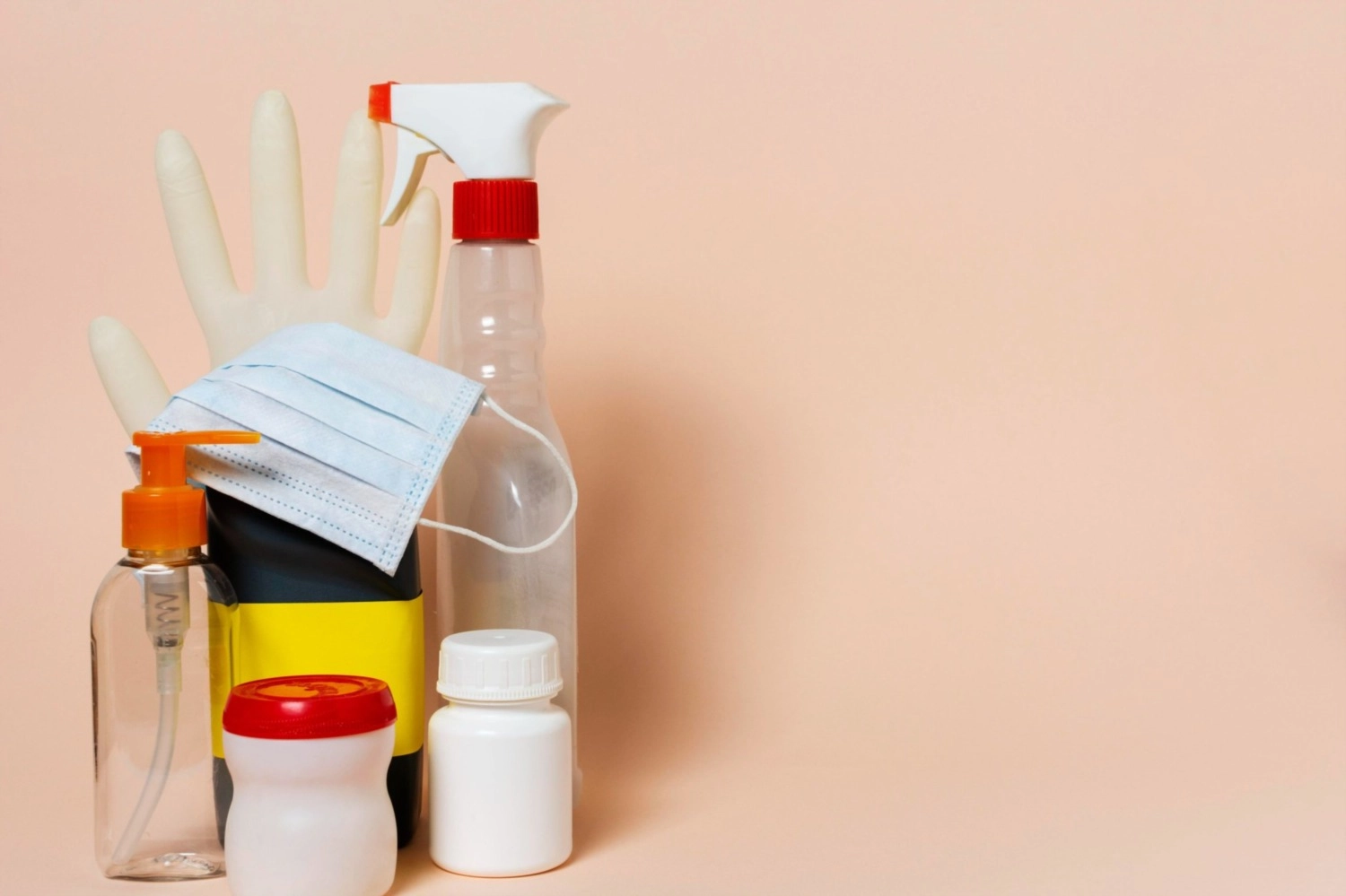
In a Colorado home, household chemicals go in a locked cabinet inside the conditioned space, propane stays outdoors, gasoline stays in a detached shed or a garage cabinet away from the water heater, and pool chemicals sit on their own shelf away from every acid and every fuel. The reason is the climate: a Front Range garage drops below zero in January and passes 100 degrees in July, indoor humidity sits under 20% all winter, and the sun at 5,280 feet breaks down plastic containers in two summers.
This guide covers what to store where, which products freeze or split in a Colorado garage, the propane and fuel rules for homes in wildfire zones, radon and carbon monoxide, and where Denver metro residents take the leftovers, including before a home sale.
| Product | Where it goes | Colorado rule or reason |
|---|---|---|
| Cleaners, bleach, ammonia, drain opener | Locked cabinet in a conditioned utility room or under-sink with a latch | Never bleach beside ammonia; the two make chloramine gas when they mix |
| Latex paint, stain, liquid fertilizer | Inside the house or a heated basement, off the floor | Ruined by one freeze in a garage |
| Gasoline, two-stroke mix, kerosene | Approved red cans, 5 gallons each, in a detached shed or a garage cabinet on the wall opposite the water heater | Colorado building codes put garage water heater burners 18 inches above the floor for this reason; vapors travel along the floor |
| Propane cylinders (grill, heater) | Outdoors, upright, shaded, never in the garage, basement or shed | NFPA 58, adopted in Colorado, bars cylinder storage inside a dwelling or attached garage |
| Bulk propane tank (rural homes) | Set by the supplier at 10 feet from the house for tanks up to 500 gallons | NFPA 58 distance; keep 10 feet of bare ground or gravel around it in wildfire zones |
| Pool and hot tub chemicals | Their own dry, ventilated shelf; chlorine on one side, muriatic acid on the other, nothing above them | Chlorine is an oxidizer; mixed with acid, brake fluid or gasoline it ignites |
| Ice melt (magnesium and calcium chloride) | Sealed bin with a lid | Pulls water from the air, cakes and corrodes metal shelving |
| Pesticides and herbicides | Locked cabinet in original containers, above pet height | Regulated by the Colorado Department of Agriculture; disposal only through household hazardous waste |
| Lithium batteries and tools | Inside the house at room temperature, not charging overnight in the garage | Cold cuts capacity; heat and overcharge cause fires |
Keep every chemical in its original container with the label readable. A soda bottle of antifreeze or a mason jar of pool acid is how children and pets end up at the Rocky Mountain Poison and Drug Center in Denver, which answers 1-800-222-1222 around the clock. When the original container fails, use purpose-made chemical packaging products with a chemical-resistant body, a child-resistant cap and a label field, and copy the product name, hazard statement and date onto the label. Put a plastic tub under anything liquid so a split jug drains into the tub and not across the garage floor.
Homes in the foothills of Jefferson, Boulder, Douglas and Larimer counties and along the Front Range grassland edge sit in the wildland-urban interface. Colorado's Wildfire Resiliency Code Board, created by SB23-166, is writing a statewide WUI code, and Jefferson, Boulder and Douglas counties already enforce their own. The storage rules that matter:
Colorado sits in the EPA's highest radon zone and about half of Colorado homes test above the 4 pCi/L action level. Radon has nothing to do with what you store, and everything to do with where you store it: a basement with a radon problem is also a basement with poor air exchange, so solvents and pesticides kept there build up. Test with a kit from the Colorado Department of Public Health and Environment, mitigate at $1,200 to $2,500, and keep chemicals upstairs until then. Our radon in Denver homes guide covers testing and mitigation in full.
Carbon monoxide alarms are required by C.R.S. 38-45-101 within 15 feet of every bedroom in any Colorado home with a fuel-burning appliance, a fireplace or an attached garage, and the requirement is checked at sale and at every new lease. Do not run a gas generator, a propane heater or a car inside the garage with the door partly open; the alarm is the backup, not the plan.
Buyers' inspectors open the garage cabinet, the furnace room and the shed, and a shelf of half-full cans next to the water heater goes in the report. Colorado's Seller's Property Disclosure asks about underground storage tanks, methamphetamine contamination under C.R.S. 38-35.7-103, and known hazardous materials on the property, and a buyer who finds a leaking drum after closing has a claim.
The full pre-listing checklist is in preparing and adding value before selling and what to leave behind when selling your Colorado house. The garage and furnace room items that stop a sale are in the inspection red flags that kill Denver home sales.
We walk every listing before the photographer arrives and tell sellers what to clear out of the garage, the furnace room and the shed so the inspection report stays short. Call or text 303-955-4220. A live person answers. Not a robot, not a phone tree. Buyers can search every home for sale in Colorado and ask us for the radon and CO alarm status on any listing.
Questions about any home in Colorado? Call or text 303-955-4220. A live person answers.
No. NFPA 58, adopted across Colorado, bars propane cylinder storage inside a dwelling or attached garage. Leave it outdoors, upright and shaded, with the valve closed.
No. Latex paint separates after one freeze and does not recover. Store paint, stain, liquid fertilizer and liquid detergent inside the house or a heated basement.
The Cherry Creek Transfer Station at 7301 E. Jewell Ave, by appointment through Denver Solid Waste Management. Rooney Road Recycling Center in Golden takes Front Range residents from other counties for a fee.
10 feet from the house for tanks up to 500 gallons under NFPA 58. In wildfire zones, keep 10 feet of bare soil or gravel around the tank with no vegetation touching it.
Bleach and ammonia, which make chloramine gas. Pool chlorine and muriatic acid, which release chlorine gas. Chlorine or fertilizer beside gasoline, brake fluid or oil, which ignites.
Yes. C.R.S. 38-45-101 requires a carbon monoxide alarm within 15 feet of every bedroom in a home with a fuel-burning appliance, fireplace or attached garage, checked at sale and at each new lease.
Any participating PaintCare drop-off site, which includes paint and hardware stores across the Front Range, at no charge for latex and oil-based paint in original containers.
$1,200 to $2,500 for a sub-slab depressurization system. About half of Colorado homes test above the 4 pCi/L action level, and test kits come from the Colorado Department of Public Health and Environment.