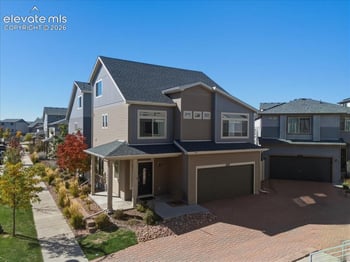
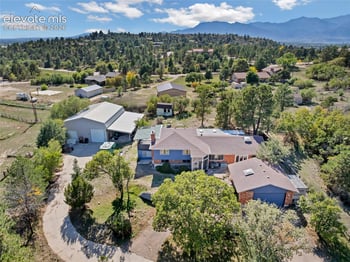
New - 30 Mins Ago
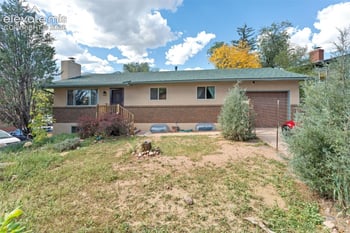
$599,000
Active
4
Beds
2
Baths
1886
Sqft
0.2024
Acres
106 Lois Ln, Colorado Springs, CO 80904
MLS#: 6513022
.jpg)



A Front Range home moves through a wider temperature swing in one year than most U.S. climates: 90-degree August afternoons, a first hard freeze by October, and hail cells can hit a roof more than once between spring and fall. A short seasonal checklist, done twice a year, prevents most of the expensive surprises.
Colorado's hail season runs spring through September, with the heaviest activity in the Front Range corridor from Denver to Colorado Springs. Before it starts, check for loose or lifted shingles, popped nails, soft spots on the decking and granule loss around vents and flashing. A roof already weakened by wind or age fails faster in a hailstorm and costs more at claim time.
Twice a year: once after spring winds and cottonwood seed drop, again after fall leaf drop before the first freeze. Clogged gutters send water against the foundation instead of away from it, and Front Range soils already move enough on their own without added water.
Worn caulk and failing weatherstripping around windows and doors let outside air through the moment the temperature drops. Check the frame and siding next if caulk and weatherstripping look fine; a licensed contractor can pressure-test the envelope if the draft source stays unclear. Sealing drafts cuts the load on a furnace or heat pump that already works harder at 5,280 feet of elevation.
Twice a year — once before the furnace season starts, once before the AC gets used — with filter changes, vent vacuuming and a thermostat test in between. Furnaces and AC units run less efficiently at altitude because the air is thinner, so a system already due for service loses more capacity here than the same unit would at sea level.
Water that seeps into concrete or soil, freezes, expands and thaws repeatedly through a Front Range winter is the single biggest driver of driveway cracking, foundation heave and sidewalk shifting in the region. Grade the yard so water moves away from the foundation, and seal driveway and walkway cracks before the first hard freeze so they cannot widen all winter.
Expansive bentonite clay, common across the Front Range, swells when wet and shrinks when dry, which moves foundations, cracks patios and tilts fence posts over a few seasons. Keep irrigation consistent rather than letting the soil swing between soaked and bone-dry, and route downspouts at least several feet from the foundation.
Clear leaves and debris, trim branches that carry the risk of snapping under a heavy snow load, drain and store hoses, and shut off exterior irrigation lines before the first freeze so standing water in the pipe does not split it. A sprinkler system left full of water through a Front Range winter is one of the most common and preventable spring repair bills.
Colorado's magnesium chloride winter road treatment tracks onto driveways, garage floors and vehicle undercarriages, where it accelerates corrosion on metal and can stain concrete and stucco. Rinse the driveway and garage floor periodically through the winter and rinse vehicle undercarriages after a mag-chloride application to limit the damage.
A growing number of Front Range households split the year between a primary home here and a second property for ski season, whether that is a Colorado mountain town or somewhere like Stowe, Vermont. Both homes need a pre-departure checklist — heat set to a secure minimum, water shut off or left running to prevent freezing depending on the system, and a plan for anything that will not fit in either house through the season. A quick local reference on planning a move covers the general timeline questions that apply whether the second stop is 30 minutes or 2,000 miles away.
Local storage facilities along the Front Range fill up fast in spring and fall when the most seasonal transitions happen, so book ahead rather than the week of the move. For households that also keep a ski-season property, a facility near that second home — a storage option in Stowe, Vermont is one example — solves the gap when neither house has room for off-season gear.
Many Front Range HOAs and metro districts set rules on exterior storage, holiday lighting timelines, RV and trailer parking, and even the dates a home can sit visibly unoccupied. Read the covenants before leaving a Front Range home empty for an extended stretch, since some associations require a designated contact or periodic check-ins.
Radon levels in a Front Range home read highest in winter, when windows and doors stay closed and the house is sealed tighter against the cold. Test in winter for the most accurate picture, and re-test after any major sealing or insulation work since tightening the envelope can raise indoor radon levels.
Set the thermostat no lower than 55 degrees, shut off and drain exterior spigots, ask a neighbor or service to check after any major snowfall, and confirm the HOA's rules on an extended vacancy before departure. A frozen and burst pipe in an empty house is far more expensive than the cost of a periodic check-in service.
Keep the heat running at a minimum secure setting rather than shutting it off entirely, insulate pipes in unheated crawl spaces and garages, and shut off the main water supply if the home will sit empty more than a few weeks. A smart water sensor that alerts a phone the moment a leak starts is inexpensive next to a full repipe.
Spring and fall carry the lightest hail and snow risk for moving day itself, while summer brings the highest demand and prices from Front Range movers. Book six to eight weeks out for a summer move; four weeks covers the shoulder seasons.
The Kenna Real Estate Group works with Front Range households managing a primary home, a second property or a seasonal move, and can connect a homeowner with local vendors for roof checks, HOA questions and storage before a transition. Ask for the printable seasonal home maintenance checklist in the form below and we email it the same day. Call or text 303-955-4220. A live person answers. Not a robot, not a phone tree. Ready to see what's on the Front Range market? Search every home for sale in Colorado.
Questions about any home in Colorado? Call or text 303-955-4220. A live person answers.
Spring through September, with the heaviest activity along the Front Range corridor from Denver to Colorado Springs. Check the roof and clean gutters before it starts.
Twice a year, once before heating season and once before cooling season. Systems lose more capacity at altitude when maintenance slips.
Expansive bentonite clay soil that swells when wet and shrinks when dry, combined with freeze-thaw cycles. Consistent irrigation and good drainage away from the foundation limit the movement.
It tracks onto driveways and vehicles and accelerates metal corrosion and can stain concrete and stucco. Periodic rinsing through winter limits the buildup.
In winter, when the home is sealed tightest against the cold and readings run highest. Re-test after any insulation or air-sealing project.
Set the thermostat no lower than 55 degrees, shut off and drain exterior spigots, arrange a check-in after snowfall, and confirm the HOA's vacancy rules.
Six to eight weeks out for a summer move, about four weeks for spring or fall.
Local storage facilities near the primary home, or near a second property for households that split the year between two homes.