New - 10 Hours Ago

$635,000
Active
5
Beds
4
Baths
2776
Sqft
0.16
Acres
16729 E 106th Pl, Commerce City, CO 80022
MLS#: 4132314
.jpg)


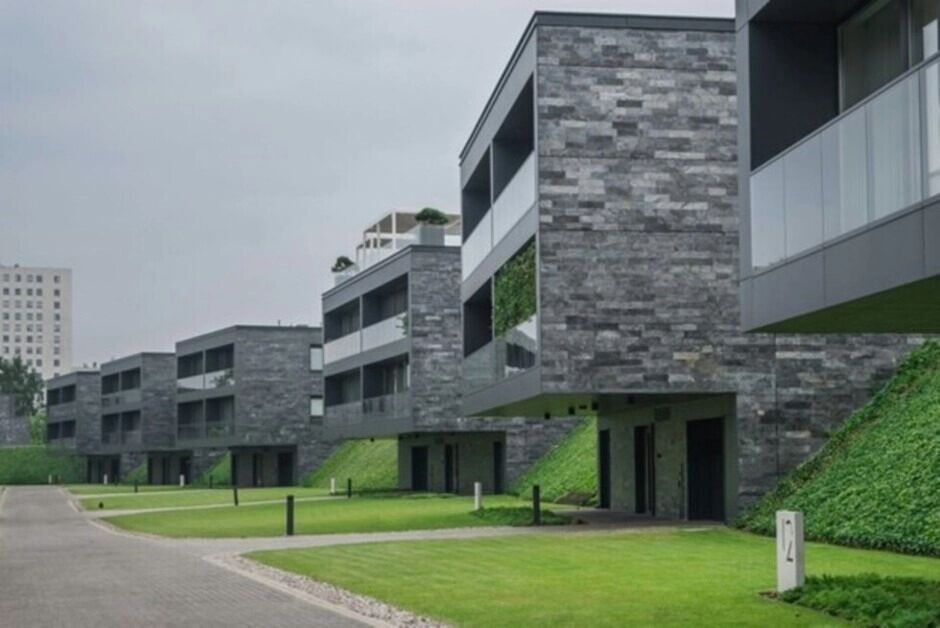
Colorado builders sell most of their homes before the foundation is poured. A to-be-built home on the Front Range goes under contract from a lot, a floor plan and a set of renderings, and closes 6 to 12 months later. The renderings, 3D walkthroughs and interactive site maps are what turn a dirt lot in Sterling Ranch or Painted Prairie into a signed contract, and this guide explains how they are made, what they must show, and how a resale seller in the same community competes with them.
The Kenna Real Estate Group represents buyers at Front Range builder communities and lists resale homes inside them, so it sees both sides of the rendering.
Every large planned community on the Front Range sells from plans: Sterling Ranch in Douglas County, The Canyons in Castle Pines, Painted Prairie and The Aurora Highlands in Aurora, Reunion in Commerce City, RidgeGate in Lone Tree, Anthem in Broomfield, Candelas in Arvada, Barefoot Lakes in Firestone, Macanta in Castle Rock and Trails at Crowfoot in Parker. Builders such as Lennar, Toll Brothers, Richmond American, Century Communities, Taylor Morrison, KB Home and Shea Homes release lots in phases, and each phase sells out on paper before the model home for the next phase opens.
The full list of communities by city is on the new construction homes in Colorado by area page.
A pre-construction buyer signs for five things: a specific lot on a plat, a floor plan with named elevations, a base price with a list of included features, a schedule of options chosen at the design center, and membership in a metro district and an HOA with their own costs. None of it is visible on the day the contract is signed. The rendering is the only thing the buyer sees that looks like a house.
An architecture visualization studio takes the builder's plans, elevations and material schedule and produces the visual set the sales office runs on:
Buyers do not read floor plans. They read rooms. A rendering with a Front Range sunset through the great room window makes the decision emotional and immediate; the plan set makes it technical and slow. Sales offices that show lifestyle renderings sell more homes per phase and hold price better than offices that show elevation drawings, because the buyer has already lived in the house in their head before the price is discussed.
The same visuals support premiums. View lots along the western edge of a Douglas County community carry lot premiums from $10,000 to well over $100,000, and the rendering from that lot, showing the mountains from the covered deck, is what justifies the number.
A rendering is marketing, and it is also a representation the buyer relies on. Under the Colorado Consumer Protection Act, showing a feature that is not included and not labeled optional is a deceptive trade practice. The visual set has to match the spec sheet:
Builders in Colorado use their own purchase agreements, not the Colorado Real Estate Commission form, and those agreements state that renderings are artist's concepts. That clause limits the builder's exposure; it does not make an inaccurate image good marketing, because the walk-through is where the referral is won or lost.
| Step | What happens | Time |
|---|---|---|
| Lot release | Builder opens a phase; buyers pick a lot from the site map | Day 1 |
| Contract and deposit | Builder agreement signed; earnest money of 1% to 5% of price | Week 1 |
| Design center | Structural options first, then finishes; deposits on options | Weeks 2 to 6 |
| Permit and start | County or city permit issued; foundation poured | Months 2 to 3 |
| Framing to finish | Pre-drywall walk-through, then finishes | Months 3 to 9 |
| Final walk-through and closing | Blue-tape list, certificate of occupancy, closing at the builder's title company | Months 6 to 12 |
Almost every new Colorado community is financed by a metropolitan district that issued bonds for the roads, water and sewer lines, and repays them through a mill levy on the property tax bill. That levy adds $1,500 to $5,000 a year on a $600,000 home depending on the district, and it does not appear in the rendering. The disclosure sits in the builder's contract packet. The new-build metro district mill levy post explains how to read it, and the special district property tax guide covers the math.
A to-be-built home needs a loan that survives the build. Builders' affiliated lenders offer incentives, and the buyer is free to use any lender; an outside lender with an extended rate lock of 180 to 360 days and a float-down option protects the buyer if rates move during construction. Mike Oswald, VP of Mortgage Lending at Rate, NMLS 261003, Equal Housing Lender, structures extended locks for Colorado new-construction buyers and compares the builder incentive against the outside rate. You are free to use any lender. Details on the Colorado home financing page.
The sales office represents the builder. A buyer who registers their own agent on the first visit gets a second set of eyes on the lot premium, the grading plan, the metro district and the contract, at no cost to the buyer in most Front Range communities because the builder pays the co-op. The buyer's agent for new construction page explains the registration rule.
A homeowner selling a 3-year-old house in Sterling Ranch competes with the builder's renderings, the model home and the builder's incentives on the same street. The resale wins on four points, and the marketing has to show them:
Price it against the builder's true price: base plus the options in the house plus the lot premium plus the finish items, less the builder's current incentive. The marketing your Colorado home page and the AI virtual staging for Denver sellers post show how an existing home gets the same visual treatment a builder uses.
Renderings sell the house. A few Colorado facts sell the confidence: the soils report on expansive bentonite clay and the foundation type it drove; the Class 4 roof for hail season from May to September; radon-resistant construction in the basement; UV-rated exterior finishes for 5,280 feet; and the water provider and tap fee. A sales office that puts those next to the rendering closes buyers who have read about Colorado foundations online.
The Kenna Real Estate Group at Keller Williams DTC represents buyers at every Front Range builder community, reads the site map, grading plan and metro district disclosure before the contract is signed, and lists resale homes inside those communities with the same visual assets the builders use. Call or text 303-955-4220. A live person answers. Not a robot, not a phone tree. Start with the search of every home for sale in Colorado, new and resale.
Questions about any home in Colorado? Call or text 303-955-4220. A live person answers.
6 to 12 months from contract to closing on the Front Range: 2 to 6 weeks at the design center, 1 to 2 months for permits and foundation, then 5 to 9 months of construction to the certificate of occupancy.
From $10,000 for a corner or a larger yard to well over $100,000 for a west-facing view lot backing to open space. The rendering from that lot is what the builder uses to justify the premium.
Builder contracts call them artist's concepts, but a feature shown as included that is not included is a deceptive trade practice under the Colorado Consumer Protection Act. Compare every image against the included-features sheet.
A special district that borrowed for the community's roads and utilities and repays the bonds through a mill levy on your property tax bill, adding $1,500 to $5,000 a year on a $600,000 home. The disclosure is in the builder's contract packet.
Yes. Builders offer incentives for their affiliated lender, and an outside lender with a 180 to 360 day extended rate lock protects you if rates rise during the build. Compare both offers side by side.
Show that it is finished: professional photos, a measured floor plan, video, and a dollar list of the landscaping, fence, window coverings and basement the builder does not include. Price against the builder's base plus options plus lot premium, less incentives.
The sales office represents the builder. Register your own agent on the first visit; in most Front Range communities the builder pays the co-op, so the buyer gets representation on the lot, contract and metro district at no added cost.


