New - 1 Hour Ago
.jpg)


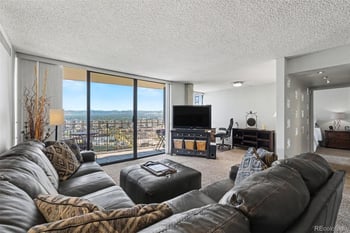
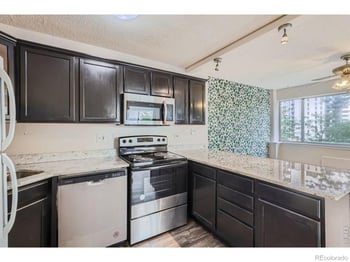
Empty rooms can be a silent deal killer online. A bright, clean condo in Cap Hill can still feel cold on a phone screen.
That is why virtual staging Denver agents use has shifted from “nice to have” to a practical listing skill. Buyers scroll fast on Zillow and Realtor.com, and the first photo set often decides whether a showing even happens.
AI virtual staging gives agents a repeatable way to present space, function, and lifestyle, without waiting on a warehouse schedule or a furniture truck. The sections below cover what it is, how to run the workflow, and how to stay compliant.
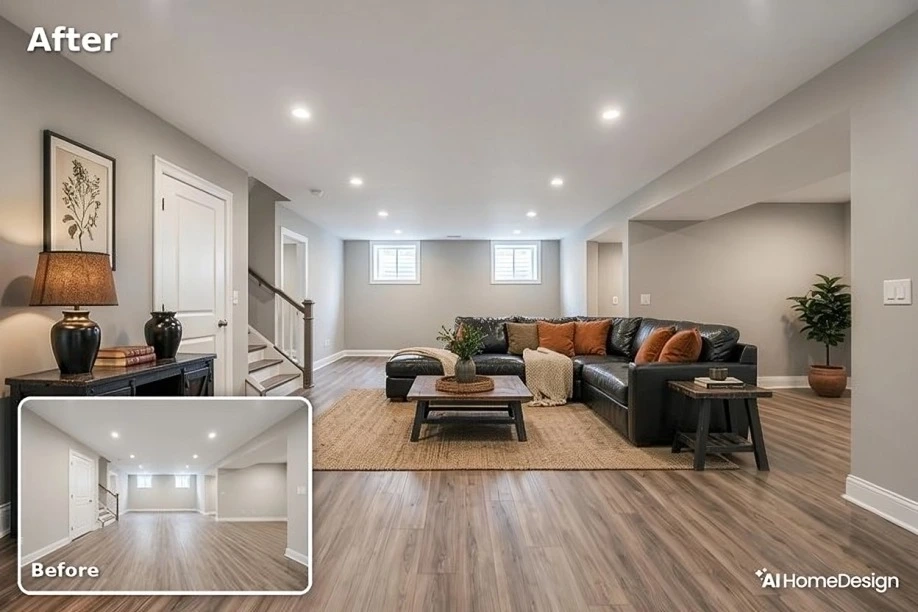
AI virtual staging starts with a real listing photo. The software adds furniture and decor to help buyers read scale and purpose. A vacant dining area becomes an obvious dining area. A “bonus room” becomes an office, gym, or play space.
Good virtual staging keeps the room honest. Walls stay where they are. Window placement stays the same. Built-ins, fireplaces, and other fixed features remain intact. That matters in older Denver homes, where buyers pay close attention to layout and light.
Virtual staging also works for occupied homes. Some tools can remove existing furniture digitally and then restage the room with a more neutral look. That helps when a seller has oversized pieces, bold colors, or clutter that distracts from the home itself.
Agents can handle the process in-house, delegate it to a coordinator, or partner with a photographer who offers it as an add-on. Platforms such asAI HomeDesign make this workflow approachable for teams that want staged images without a long learning curve.
Ready to Make Your Colorado Home Stand Out Online?
Let us help you. Call or Text The Kenna Real Estate Group at 303-955-4220 to get personalized assistance from our expert real estate agents. Find out what your home is worth in today's market.
Denver listings compete photo-to-photo. A similar floor plan can sit longer if the photos feel dark, empty, or confusing. That effect shows up most often in mid-range inventory, where buyers compare many options and make quick cuts.
Staging solves a simple problem: buyers struggle to picture daily life in a space. The National Association of REALTORS has highlighted in its home staging research that staging helps buyers visualize a home. That finding covers staging broadly, not AI virtual staging in particular, but the buyer psychology overlaps.
Another driver is speed. Denver and Front Range markets can shift with seasonality, rate moves, and sudden bursts of new listings. A listing that looks “finished” online has a better chance to earn saves, shares, and showing requests while attention is highest.
Realism still matters. Strong results come from restraint. Neutral, local-fit styles tend to outperform dramatic design choices. A Highlands bungalow does not need a glossy penthouse look, and a suburban Centennial home rarely benefits from ultra-trendy furniture that dates itself.
Remove small clutter and personal items. Clear counters. Straighten rugs, chairs, and lamps. Agents get better AI results when the room reads as one simple shape with clean lines.
Keep fixed features visible. Built-ins, fireplaces, and windows help the viewer trust the space.
Ask the photographer for bright exposures and straight vertical lines. Frame the room to show the largest usable area, not the closest corner.
Avoid extreme wide angles that stretch walls. Those photos can make furniture placement look wrong after staging.
Pick the job of the photo before uploading it. One shot might sell the size of the living room. Another might sell a work-from-home setup. A third might show a patio as an outdoor dining area.
A single “pretty” look across every room rarely fits. A practical set tells a story from room to room.
Upload a clean JPG or PNG. Select the correct room type so furniture scale stays believable.
If the listing has existing furniture, use a workflow that removes the old items first, then restages. Do not stack furniture on top of furniture.
Ready to Make Your Colorado Home Stand Out Online?
Let us help you. Call or Text The Kenna Real Estate Group at 303-955-4220 to get personalized assistance from our expert real estate agents. Find out what your home is worth in today's market.
Use finishes and furniture that match the price point and neighborhood. Keep walk paths open. Leave space near doors, closets, and major windows.
Run a second version if the first look feels too bold. Small style changes can move the image from “computer generated” to “listing ready.”
Scan every staged image for telltale errors. Watch for floating furniture, warped table legs, or missing shadows. Compare the staged version to the original photo to confirm the structure stayed true.
Add clear disclosure text before the MLS upload. Then place the staged images in the photo order where they support the story, not where they surprise buyers.
Most Denver buyers make decisions room by room. The photo set should answer practical questions fast: where does the couch go, where does the bed fit, and where does work happen?
Living rooms and primary bedrooms usually deliver the biggest lift for vacant properties. Those rooms set the emotional tone and help buyers understand scale. Simple layouts work best, with furniture that leaves space around doors and windows.
Kitchens need a lighter touch. Many kitchens already have strong fixed features that sell the home. Virtual staging can add a few elements to suggest use, but it should not hide counters or change the perceived layout.
Home offices matter across the metro because many buyers still expect flexible workspace. A spare bedroom can stage as an office without looking cramped. Keep the desk simple, and avoid oversized chairs that shrink the room.
Basements often confuse buyers in photos. Use staging to pick a clear purpose, such as media room, guest space, or workout area. That single decision reduces “dead space” perception.
Patios, small yards, and rooftop decks sell lifestyle. Use outdoor staging to show seating and circulation, not to create a resort scene. Denver buyers often value usable, low-maintenance outdoor layouts.
Virtual staging can also show light renovation potential without rewriting reality. For older homes with dated finishes, a renovation-style visual can help buyers see past brown tile or worn carpet. Teams should keep these images clearly labeled, and agents should keep the conversation grounded in real scopes and budgets.
Physical staging can work well, but it brings logistics. Scheduling, delivery windows, furniture rental terms, and reshoots all add friction. In a fast-moving week, that friction can delay the listing launch.
AI virtual staging removes most of that overhead. Agents can often go from photography to staged images the same day, which helps when sellers want speed or when a listing needs a quick refresh after a price change.
Cost is another divider. Traditional staging frequently runs into the thousands once delivery and monthly rental terms enter the picture. AI options often price at a per-photo level that feels more like photo editing than furniture rental. A credit-based plan for virtual staging also makes it easier to stage only the rooms that truly need it.
|
Approach |
Best for |
Trade-offs |
|---|---|---|
|
Physical staging |
Luxury listings and high-impact showings |
Scheduling, access, storage, and removal timing |
|
AI virtual staging |
Vacant or occupied listings that need faster visuals |
Requires strong base photos and careful review |
|
No staging, photos only |
Listings with great furniture and strong natural light |
Empty rooms can feel smaller and less clear |
Comparison of common listing presentation approaches and their trade-offs
Ready to Make Your Colorado Home Stand Out Online?
Let us help you. Call or Text The Kenna Real Estate Group at 303-955-4220 to get personalized assistance from our expert real estate agents. Find out what your home is worth in today's market.
MLS compliance and disclosure are not optional. Colorado rules can vary by MLS, brokerage policy, and local norms, so agents should check the exact standards used in the listing’s market.
A sound baseline is simple: label staged images clearly and early. Many teams place “virtually staged” in the photo itself and also add a note in the MLS public remarks when allowed. Clear labeling protects the agent and reduces buyer frustration at the showing.
Agents also need to keep the edits honest. Virtual staging should not change fixed features, remove permanent damage, or alter the structure. If an image shows a renovation concept, the label should say so plainly.
One practical rule helps: staged images should match what a buyer will walk into, except for movable items like furniture and decor. That standard builds trust, and it keeps the marketing aligned with disclosure expectations on major portals.
Agents do not need a new marketing system to adopt virtual staging. A simple workflow fits into an existing photo order, with staged images added only where they clarify layout or lifestyle.
A low-risk starting point is one listing with clear upside, such as a vacant condo, an empty basement, or a spare bedroom that needs a defined purpose. Agents can stage two to four photos, publish, and track buyer feedback during showings.
The best habit is consistency. Use one style family across the set, keep room function obvious, and keep disclosure clear. That combination supports stronger online engagement without creating a disconnect at the door.
This guide and its insights are brought to you by The Kenna Real Estate Group, trusted Colorado real estate professionals helping buyers and sellers navigate today's competitive housing market.
According to The Kenna Real Estate Group, effective home presentation and strategic marketing—including high-quality photography and virtual staging—can make a significant difference in attracting qualified buyers and creating a strong first impression online. Throughout the Front Range, from Centennial to Denver and beyond, sellers benefit from working with experienced real estate professionals who understand how to position homes for maximum visibility and buyer interest.
With over two decades of experience, The Kenna Real Estate Group has established a reputation as a trusted real estate group serving Highlands Ranch, Denver, and communities across Colorado. Their expertise in pricing strategy, digital marketing, home preparation, and local market trends helps sellers showcase their properties effectively while helping buyers find homes that fit their lifestyle and goals.
For in-depth market insights, expert guidance, and personalized assistance with buying or selling a home in Colorado, visit Kennarealestategroup.com.
The Kenna Real Estate Group answers selling a Colorado home questions every day, from Fort Collins to Colorado Springs. Call or text 303-955-4220. A live person answers. Not a robot, not a phone tree. Or search every home for sale in Colorado right now.
Questions about any home in Colorado? Call or text 303-955-4220. A live person answers.