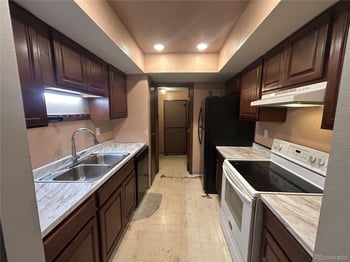
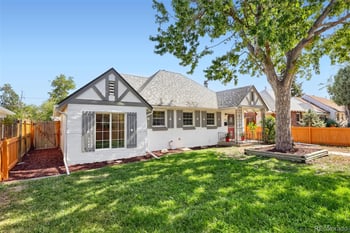
New - 30 Mins Ago

$220,000
Coming Soon
1
Beds
1
Baths
605
Sqft
--
Acres
1032 N Clarkson St #102, Denver, CO 80218
MLS#: REC2735860
.jpg)



Selling a Colorado house to a friend, a relative or your tenant is a good idea when the price comes from an appraisal or a written market analysis, the deal runs on the state-approved Colorado Contract to Buy and Sell Real Estate, and every deadline, disclosure, appraisal and title step happens exactly as it would with a stranger. Skip any of those and you trade a saved commission for a lost friendship, a gift tax filing or a lender that will not fund. This guide covers how the Kenna Real Estate Group runs a known-buyer sale on the Front Range, and where the tax rules differ when the buyer is a relative.
Yes, with a market price and a full contract. What you gain: no showings, no staging, no weeks on market, a closing date both sides pick, and a buyer who already knows the house. What you give up: the other offers. A Denver metro home listed on the MLS is seen by every buyer in the market and priced by competition; a private sale is priced by one appraisal. The gap between those two numbers is the real cost of a private sale, and it is the number both sides need before anyone says yes.
Order two numbers before the first conversation about money:
Then set the price as appraised value minus the costs the private sale avoids: a full listing on the Front Range costs the seller 5 to 8 percent of the price in commissions, prep, staging and concessions; a private sale with one broker runs 1 to 3 percent. Splitting that saving is the deal most friends and relatives land on, and it is written into the contract as a price, not a handshake.
A gift of equity is the difference between the appraised value and a lower sale price, given by the seller to the buyer as part of the buyer's down payment. Parents selling a $600,000 Centennial house to a daughter for $540,000 give a $60,000 gift of equity, which her lender counts as a 10 percent down payment. Lenders accept gifts of equity from relatives on conventional and FHA loans when three things are in the file: an appraisal that supports the value, a signed gift letter stating no repayment is expected, and the gift shown on the settlement statement.
The tax side follows the gift. A gift above the federal annual exclusion per recipient ($19,000 in 2025) requires the seller to file a federal gift tax return, Form 709, for the year of the sale. No tax is paid with it; the amount above the exclusion counts against the seller's lifetime estate and gift exemption, which is in the millions of dollars. Two parents giving to a daughter and her spouse each get their own exclusion, so a $60,000 gift of equity from two parents to a couple falls under four exclusions and needs no return. Confirm the split with a Colorado CPA before closing.
Yes, all of them. A private sale in Colorado uses the same documents as a listed sale:
The cancellations and penalties in the Colorado real estate contract post explains what happens when a deadline is missed, and what closing costs are in Colorado lists who pays what at the table.
Colorado does not require a broker or an attorney to sell a house, but it licenses three ways a broker works: as the seller's agent, as the buyer's agent, or as a transaction broker who assists both sides without representing either. A transaction broker is the fit for a known-buyer sale: one licensed professional prepares the contract, tracks the deadlines, orders title, coordinates the appraisal and closing, and stays neutral on price. The Kenna Real Estate Group handles private sales on a flat fee or a reduced commission, and both parties sign the Colorado brokerage disclosure that spells out the role.
| Item | Open-market listing | Private sale with a transaction broker |
|---|---|---|
| Price set by | Competing buyers | Appraisal plus market analysis |
| Seller's cost of sale | 5 to 8 percent | 1 to 3 percent |
| Days to contract | 7 to 45 | 0 |
| Contract, disclosures, title | Required | Required |
| Appraisal and inspection | Buyer's choice | Do both |
Lenders call a sale between relatives, or from a landlord to a tenant, an identity-of-interest transaction and look at it harder: the appraisal is reviewed, the gift of equity is documented, and FHA applies its own rules that change the maximum loan in some of these sales. A tenant buying the home they rent gets the same review. Mike Oswald, VP of Mortgage Lending at Rate, NMLS 261003, Equal Housing Lender, pre-approves the buyer and confirms the identity-of-interest and gift-of-equity rules before the contract is written, so the loan does not fail at the appraisal deadline. You are free to use any lender. Start at mortgage pre-approval in Colorado and Kenna financing.
Yes. Seller financing in Colorado uses a promissory note and a deed of trust recorded with the county, with the county public trustee named on the deed of trust, the same instrument every Colorado mortgage uses. Charge at least the IRS applicable federal rate for the month of closing; below that, the IRS treats the missing interest as a gift and taxes the seller on interest never received. Set the payment schedule, the balloon date and the late fee in the note, and have a Colorado attorney draft both documents. Read the seller financing guide for the full structure.
Confirm the numbers with a Colorado CPA or attorney before closing. The group's home equity and net proceeds guide shows the seller's net at any price.
No. Colorado county assessors revalue every home on a two-year cycle from market sales in the area, and a single sale does not reset a home's assessed value the way it does in some states. The buyer's first tax bill is based on the assessor's current value, not the private price. Read the Denver property taxes guide for how the bill is calculated.
Buyers who want to see what the open market offers at the same price can compare on homes for sale in Centennial or any Front Range city before signing.
The Kenna Real Estate Group at Keller Williams DTC runs private sales between friends, relatives and tenants across the Denver metro and the Front Range as a transaction broker: appraisal and Smart Pricing Report first, then the Colorado contract, disclosures, title and closing on a flat fee. Call or text 303-955-4220. A live person answers. Not a robot, not a phone tree. You can also search every home for sale in Colorado.
Questions about any home in Colorado? Call or text 303-955-4220. A live person answers.
Yes. The lease ends at closing by written agreement, the security deposit is refunded or credited on the settlement statement, and the tenant's lender treats the purchase as an identity-of-interest sale with a reviewed appraisal. Rent paid before closing does not count as down payment unless the lease said so in writing.
One percent of the price, held by the title company, is the Front Range norm on a private sale, against 1 to 3 percent on a listed home. The Colorado contract returns it to the buyer when a deadline is used to end the deal.
Conventional and FHA loans accept gifts of equity from relatives, not from friends. A friend who wants to help with the down payment gives cash with a gift letter, and the sale price stays at appraised value.
The buyer's appraisal deadline in the Colorado contract lets the buyer renegotiate, bring cash for the difference or end the contract with the earnest money returned. Agreeing in advance to meet at the appraised value removes the argument.
The title company reports the sale on Form 1099-S. A loss on a sale to a child is not deductible under the related-party rules, and any gift of equity above the annual exclusion goes on Form 709.
Cash closes in 7 to 14 days once title is clear. A financed sale closes in 30 to 45 days, set by the lender's appraisal and underwriting, the same as a listed home.
Yes. A Colorado transaction broker prepares the contract and manages the deadlines for both parties without representing either one on price. Both sides sign the state brokerage disclosure that defines the role before any document is drafted.