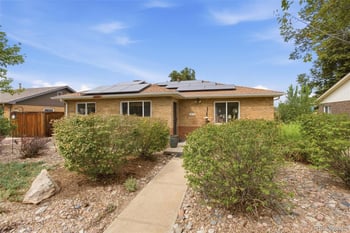
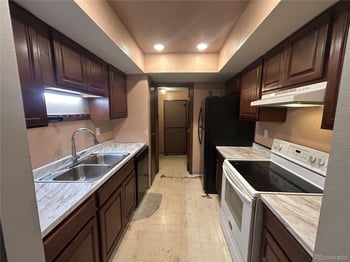
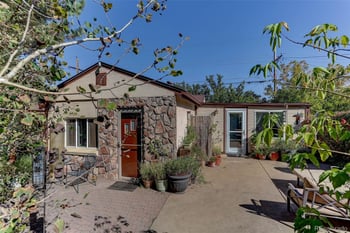
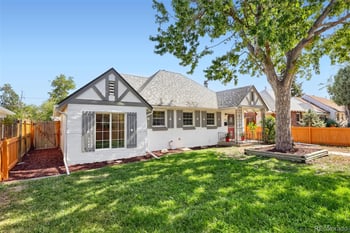
New - 1 Hour Ago

$219,900
Active
2
Beds
1
Baths
891
Sqft
--
Acres
7665 E Eastman Ave #301D, Denver, CO 80231
MLS#: REC7240107
.jpg)


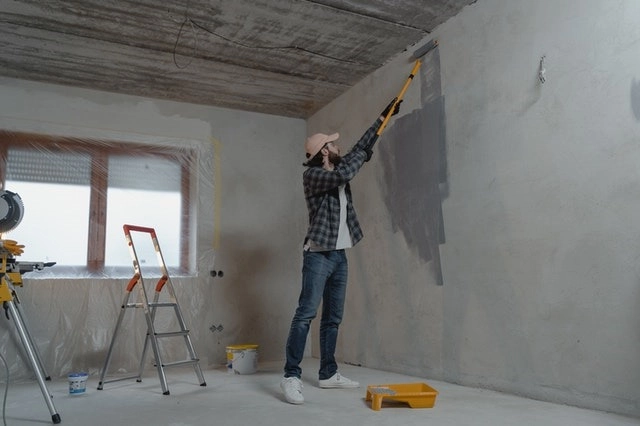
Buy a house that needs work in Colorado when the purchase price plus a written repair budget, plus 15% for surprises, lands at least 15% under what the finished homes on the same street sold for in the last 6 months. If the math does not clear 15%, you are paying retail for a project. On the Front Range the surprises have names: expansive soils, clay sewer lines, radon, hail-worn roofs, and asbestos in anything built before 1980. This page covers the math, the loans that pay for repairs, Denver permit costs, and the five checks that decide whether the Kenna Real Estate Group writes the offer.
Start with the after-repair value: what the renovated homes within a half mile sold for in the last 6 months on REcolorado. Subtract the repair budget from three contractor bids, then 15% of that budget for what the walls hide, then your target margin. What is left is the most you pay.
| Line | Example: 1968 ranch, Lakewood |
|---|---|
| After-repair value (renovated comps) | $640,000 |
| Repair bids (kitchen, 2 baths, roof, sewer, paint, floors) | $115,000 |
| Contingency, 15% of repairs | $17,000 |
| Holding and loan costs, 6 months | $18,000 |
| Target margin, 15% of after-repair value | $96,000 |
| Maximum purchase price | $394,000 |
An owner-occupant who plans to stay 7 or more years cuts the margin line to 5% and still comes out ahead, because the equity is built by living there. An investor keeps the full 15%; the investor version of this math is on our Denver fix and flip guide.
Three loans fund the purchase and the renovation in one closing, with the repair money held in escrow and paid to the contractor as work is inspected:
All three require a licensed contractor's bid before closing, a 6-to-12-month completion window, and a lender that does renovation loans; not every Colorado lender does. Rates run a quarter to a half point above a standard loan. Line up the loan before you write the offer; the Colorado contract's loan deadline does not stretch for a slow renovation underwriter. Government-backed options, including VA renovation loans, are on the government-backed home buying guide, and the rest of the menu is on the Colorado home financing guide.
Denver Community Planning and Development requires a permit for structural changes, additions, electrical, plumbing, HVAC replacement, water heaters, roofing, and basement finishes. Cosmetic work (paint, floors, cabinets in the same layout, countertops) needs none. Suburbs run on the same lines with their own fee schedules.
Denver's zoning, ADU, and historic-district rules, which decide whether an addition or a basement apartment is allowed at all, are in our Denver ADU, zoning and historic district guide, with real permit costs and timelines in Denver ADU guide: costs, permit timeline and zoning rules.
Bentonite clay under Aurora, Parker, Castle Rock, Highlands Ranch, the Denver Tech Center and pockets of every metro city swells when wet and shrinks when dry, and it moves foundations. On a fixer, a foundation problem is the difference between a $115,000 renovation and a $150,000 one. Before the inspection objection deadline:
Which cracks are cosmetic and which are structural is explained in Does a foundation crack mean a Denver-area home has a structural problem?
The full inspection list, and how to pick the inspector, is in Find a good home inspector before buying that Denver home.
Licensed, permitted work in 2026, mid-grade finishes:
Most fixers in Colorado sell "as-is," and the Colorado Real Estate Commission contract handles it the same way as any other sale: the buyer still gets an inspection period and an Inspection Objection Deadline, and can terminate for any inspection reason and keep the earnest money. "As-is" means the seller will not make repairs; it does not remove your right to inspect and walk. Estate sales, short sales and bank-owned homes are the biggest source of fixers in the metro, and each one has its own timeline and paperwork, explained in the Colorado distressed homes buyer guide.
HUD homes (FHA foreclosures sold by HUD) are a fixer-buyer's best inventory: owner-occupants get a 30-day first look before investors, and an FHA 203(k) is allowed on a HUD home rated "insurable with escrow" or "uninsured." Our Colorado HUD homes guide lists the current homes and the bidding steps, and bank-owned inventory is on the Colorado foreclosure and REO homes guide.
Before an offer goes out on a fixer, the group pulls the renovated comps and runs the math above, pulls the permit history from the city, reads the county assessor's record for the year built and the last sale, checks the FEMA flood map and the wildfire zone, confirms the zoning allows the plan, and books the sewer scope and the structural engineer for inspection week. Then the offer is written with an inspection period long enough to get the bids back, and the inspection objection asks for the number the bids support. The Colorado buyer's version of that list is in Buyer's due diligence checklist for Denver real estate.
The Kenna Real Estate Group at Keller Williams DTC runs the fixer math on every home you want to write on, lines up the renovation lender, and books the sewer scope, radon test and structural engineer for inspection week. Call or text 303-955-4220. A live person answers. Not a robot, not a phone tree. Start with the inventory: search every home for sale in Colorado.
Questions about any home in Colorado? Call or text 303-955-4220. A live person answers.
Purchase price plus repair bids plus a 15% contingency should land at least 15% under renovated comps sold within a half mile in the last 6 months. Owner-occupants staying 7+ years can accept 5%.
FHA 203(k) Limited (up to $75,000 in non-structural repairs, 3.5% down), FHA 203(k) Standard (structural work, HUD consultant), or Fannie Mae HomeStyle and Freddie Mac CHOICERenovation (conventional, repairs up to 75% of as-completed value).
Yes when the work touches electrical, plumbing, gas or walls; no for cabinets, counters, paint and floors in the same layout. Kitchen permits run $800 to $2,500 through Denver Community Planning and Development.
$150 to $300, and yes on any home built before 1975. Replacing a failed clay or Orangeburg line costs $8,000 to $20,000, the most common budget surprise on a Denver fixer.
$1,200 to $2,500 for a fan-and-pipe system. About half of Colorado homes tested come in above the EPA's 4 pCi/L action level, so put it in every fixer budget.
Yes. The Colorado Real Estate Commission contract gives every buyer an Inspection Objection Deadline; as-is means the seller will not repair, not that you cannot terminate and keep the earnest money.
Piers or underpinning $15,000 to $40,000, basement wall bracing $5,000 to $15,000, grading and drainage fixes $2,000 to $8,000. Get a structural engineer's letter ($400 to $800) before any of it.