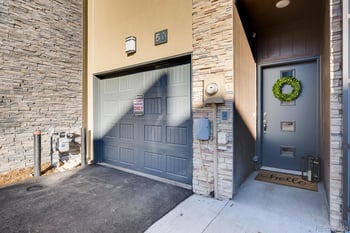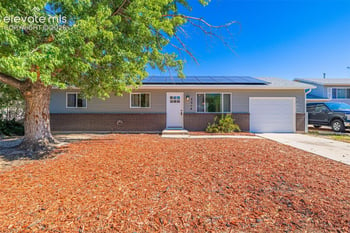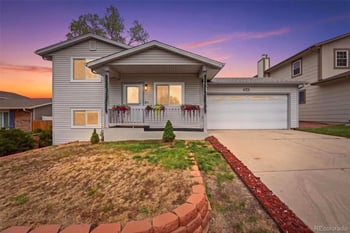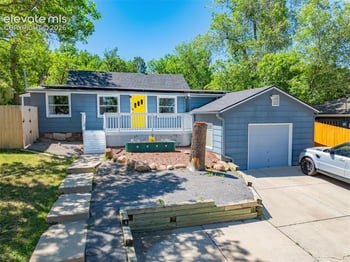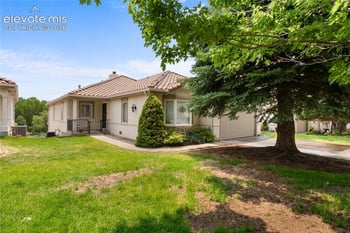
$415,000
Active Under Contract
4
Beds
4
Baths
3818
Sqft
0.1626
Acres
8353 Twinberry Point, Colorado Springs, CO 80920
MLS#: 4764123
.jpg)



The upgrades that save Colorado homeowners the most money aren't exotic: LED lighting, attic insulation, a programmable thermostat and a xeriscaped yard cut both the electric bill and the water bill, and several of them qualify for a rebate through Xcel Energy or a local water provider. None require a full remodel, and most pay for themselves within a few years.
In order of typical payback speed: LED lighting, a programmable or smart thermostat, attic and crawlspace insulation upgrades, and xeriscaping or reduced turf in the yard. Each targets a different bill, so a Front Range homeowner working through a full electric, gas and water bill sees a bigger combined drop than any single upgrade delivers on its own.
Yes. Xcel Energy runs rebate programs for insulation, smart thermostats, efficient furnaces and water heaters, and heat pump installations for Colorado customers on its electric or gas service. Rebate amounts and eligible equipment change from year to year, so check Xcel's current program list before buying equipment if the rebate is part of the budget.
Xeriscaping replaces high-water turf with native and drought-adapted plants, mulch, and efficient drip irrigation, grouped by how much water each zone actually needs. It works well along the Front Range because the region's native grasses and wildflowers are already adapted to Colorado's low humidity, intense high-altitude sun and limited summer rainfall, so they need far less supplemental water than traditional bluegrass lawns once established.
A fully xeriscaped yard commonly cuts outdoor water use by 50% or more compared with a traditional turf lawn, since outdoor irrigation is commonly the largest single use of water at a Front Range home during summer months. The exact savings depend on how much turf is replaced and how efficient the remaining irrigation zones are.
Denver Water and most other Front Range water providers set summer watering schedules, commonly limiting sprinkler use to specific days of the week and prohibiting watering during the heat of midday. Restrictions tighten further during drought years. Check your specific provider's current schedule each spring, since Denver, Aurora Water, Colorado Springs Utilities and smaller districts each set their own rules.
LED bulbs use roughly 75% less electricity than incandescent bulbs and last many times longer, which adds up across a whole house. A full-home LED swap costs $50 to $200 in bulbs for an average Front Range home and pays back within a year or two through lower electric bills and fewer bulb replacements.
Yes, and it matters more than many Colorado homeowners expect. Denver's roughly 5,280-foot elevation means thinner air and larger daily temperature swings than lower-elevation cities see, so a well-insulated attic keeps both summer heat gain and winter heat loss in check. Adding insulation to bring an older Front Range attic up to current recommended levels costs $1,500 to $4,000 depending on attic size and existing insulation depth.
Colorado averages close to 300 days of sunshine a year, which makes solar production strong compared with cloudier regions. Whether it pencils out for a specific home depends on roof orientation, shading, current electric rates, and any HOA or metro district rules on panel placement, so a site-specific quote matters more than a general rule of thumb.
Low-E (low-emissivity) glass blocks a large share of UV radiation, which is more intense at altitude, while reducing summer heat gain and winter heat loss through the glass. Older single-pane windows in a Front Range home are one of the largest sources of energy loss in an otherwise updated house, and replacing them, while a bigger project than lighting or insulation, has one of the largest single impacts on comfort.
A smart or programmable thermostat that adjusts for Colorado's big daily temperature swings, cool mornings, hot afternoons, cool evenings, saves 10% or more on heating and cooling costs compared with a fixed setting left unchanged all day. Most Xcel-eligible smart thermostats cost $100 to $250 installed after rebate.
Buyers along the Front Range increasingly ask about utility costs, insulation quality and whether a home is xeriscaped, especially given rising water rates and Colorado's active hail-related insurance market pushing up premiums. Documented upgrades, rebate receipts, insulation records, recent window replacement dates, give a listing concrete numbers to show rather than a general claim. The Pricing Your Colorado Home to Sell guide covers how to translate those numbers into a listing price.
LED lighting and thermostat upgrades pay back within one to two years. Insulation upgrades pay back within three to seven years depending on the home's current condition. Solar and full window replacement run longer, commonly seven to fifteen years, but bring the largest total savings over the life of the system.
Colorado law limits how far an HOA can restrict solar panel installation, but design review, panel placement and screening requirements still apply in many communities. Xeriscaping guidelines vary more by community; some Front Range HOAs specify which native plant lists and mulch types are approved. Check your HOA's architectural review process before either project.
Many Front Range water providers, including Denver Water and Aurora Water, run turf-replacement and xeriscaping rebate programs that pay per square foot of converted lawn. Some cities also run separate efficiency rebate programs alongside Xcel's, so it's worth checking both your city's and your utility's current program pages before starting a project. Stacking a city turf-replacement rebate with a utility efficiency rebate in the same year can cover a meaningful share of a combined yard and insulation project.
Thinner air at altitude changes how gas appliances and combustion furnaces perform, and manufacturers publish altitude-adjusted specifications for many products. A Colorado-licensed HVAC contractor sizes and tunes equipment for Denver's elevation, which matters for both efficiency and correct combustion venting. Ask any contractor bidding on a furnace, water heater or range installation whether their quote already accounts for altitude derating, since a unit sized for sea level underperforms once it's running at 5,280 feet.
Whether you're upgrading a Front Range home before listing it or looking for an already efficient one to buy, the Kenna Real Estate Group can point to which upgrades buyers in your price range actually notice. Call or text 303-955-4220. A live person answers. Not a robot, not a phone tree. Or search every home for sale in Colorado.
Questions about any home in Colorado? Call or text 303-955-4220. A live person answers.
A full-home LED lighting swap, commonly $50 to $200 in bulbs, with payback inside one to two years through lower electric bills.
A fully converted yard commonly cuts outdoor water use by 50% or more, since irrigation is commonly the largest single water use at a Colorado home in summer.
Xcel runs rebate and incentive programs that change year to year; check the current program list before signing a solar contract to see what applies.
Colorado law limits how far an HOA can restrict solar, but design review and placement rules still apply in many communities, so check the architectural guidelines first.
Denver's roughly 5,280-foot elevation brings bigger daily temperature swings, so a well-insulated attic has more work to do keeping the home comfortable through those swings.
Yes, most set summer watering-day schedules and restrict midday watering, with tighter rules during drought years. Check your specific provider each spring.
It increasingly does, as buyers weigh water costs and restrictions more heavily; documented water savings give a listing a concrete number to point to.