Open: Sun 11:00 AM - 1:00 PM

$435,000
Pending
3
Beds
2
Baths
2138
Sqft
0.33
Acres
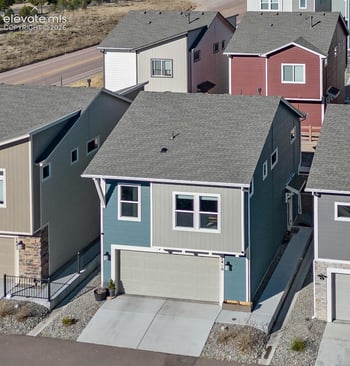
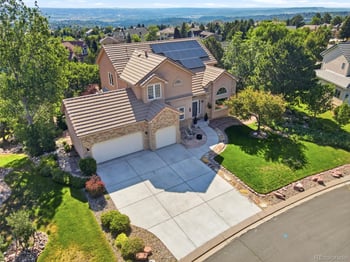
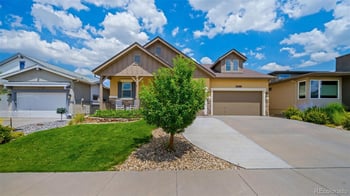
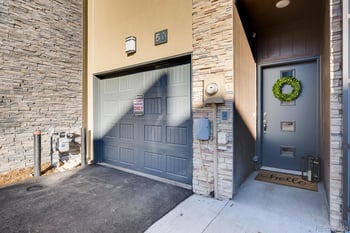
1118 Acacia Dr, Colorado Springs, CO 80907
MLS#: REC6573081
.jpg)



The fastest way to lose money on a Colorado rental is buying on a feeling instead of the numbers. A property that cash flows in Pueblo can lose money in Cherry Creek at the same purchase price, because taxes, insurance, HOA dues and rent caps differ block by block along the Front Range.
Start with the numbers, not the neighborhood. Pull the last 90 days of comparable sales and rents for the specific block, run the mortgage payment at today's rate, add property tax, insurance, HOA or metro district dues, a maintenance reserve of 1% of the home's value per year, and a vacancy factor of one month per year. If the property still nets positive after that math, it is worth a showing. Colorado's real estate investing guide walks through the full checklist.
Most experienced Front Range investors target $150 to $400 a month in positive cash flow after every expense on a single-family rental, and treat anything tighter as an appreciation play rather than an income play. Denver, Aurora and Lakewood single-family rentals run $2,100 to $3,200 a month in rent as of this year, depending on bedroom count and condition; Colorado Springs and Fort Collins run $1,700 to $2,600.
Colorado caps a residential security deposit at two months' rent under SB23-184. A landlord who charges more is exposed to a tenant claim for double the amount wrongfully withheld. HB25-1249 changed the deposit retention rules starting January 1, 2026 — it did not change the two-month cap itself, so investors should read both laws before writing a lease.
HB 23-1099 sets rules for how Colorado landlords screen applicants: a landlord must disclose the screening criteria before charging an application fee, and cannot charge a new fee to reuse a portable tenant screening report the applicant already supplies. Investors running more than one unit should have a written screening policy on file for every property.
Colorado's 2024 for-cause eviction law requires a landlord to have one of a defined set of reasons — nonpayment, lease violation, owner move-in, sale of the property, among others — before ending most residential tenancies, even at the end of a lease term. A month-to-month tenant cannot be removed simply because the landlord wants a new tenant.
Yes. The City and County of Denver requires every long-term residential rental to hold a rental license, which includes a habitability inspection and a fee paid on a renewal cycle. Aurora, Colorado Springs, Fort Collins and Lakewood each set their own registration and inspection rules, so an investor buying across city lines should check the specific municipality before closing.
Front Range property managers charge 8% to 10% of monthly rent for management, plus a one-time leasing fee equal to half to a full month's rent when placing a new tenant. An investor running four or more doors reaches the point where dedicated software or a manager pencils out cheaper than the owner's own time; see why spreadsheets stop working once you own more than one rental.
Colorado's warranty of habitability law requires a rental to have working heat, plumbing, electrical service and weatherproofing, and sets a timeline for the landlord to fix a habitability problem once notified. A rental bought for cash flow that needs a new furnace or roof before it can legally be leased changes the return math fast, so budget the repair before closing, not after.
Aurora, Colorado Springs and Commerce City post the strongest rent-to-price ratios in the metro right now because purchase prices sit below Denver proper while rent demand stays close to Denver levels. Fort Collins and Greeley draw steady demand from Colorado State University and the regional job market. What Front Range investors should verify before buying covers the diligence list for each submarket.
Denver's 300 days of sunshine a year and low humidity dry out wood trim, cabinets and hardwood floors faster than a sea-level climate, so budget for more frequent refinishing and caulking. Hail season, which runs from April through September, drives roof and gutter claims; an older roof on a rental raises the insurance premium and can trigger a non-renewal from the carrier.
A new furnace, a new roof and updated flooring return the most at Front Range resale because Colorado buyers weed out homes with deferred maintenance first in a competitive market. Cosmetic paint and lighting updates cost the least and return the fastest. See which home improvements give the best return on investment and the Kenna Real Estate Group's adding-value guide for a full cost-versus-return table.
New-build subdivisions across the Front Range carry a metro district mill levy on top of the county property tax bill, which can add $1,000 to $3,000 a year to carrying costs. An HOA or metro district fee is a fixed monthly expense that lowers cash flow the same as a mortgage payment does, so pull the current budget and reserve study before making an offer.
House hacking — buying a duplex or a home with a legal accessory unit and renting part of it — lets a Front Range buyer qualify with owner-occupant financing while the rental income offsets the mortgage. The Kenna Real Estate Group's house hacking guide and duplex and multifamily buying guide cover the financing rules and the legal-unit permit questions to ask before writing an offer.
Conventional investment loans in Colorado require 15% to 25% down and price the rate 0.5 to 0.75 points above a primary-residence loan. Some investors use a cash-out refinance on an existing property or a DSCR loan, which qualifies on the property's rent rather than the buyer's income. Mike Oswald at Rate (NMLS 261003, Equal Housing Lender) walks Colorado investors through financing options at kennarealestate.com/financing — you are free to use any lender.
Colorado assesses residential property at a lower rate than most states, but a rental doesn't receive the owner-occupied exemptions some ballot measures apply to a primary home. Each county reassesses value on its own cycle, so a rental's tax bill can jump after a countywide reassessment even with no work done to the property.
Pull the seller's property disclosure, order a sewer scope on anything built before 1990, check for a radon test (most of Colorado sits in the EPA's highest radon zone), and confirm the foundation has no active movement tied to the region's expansive bentonite clay soils. Why an uncomfortable house can become an investor's opportunity covers how to price around fixable problems.
Colorado's standard contract sets an inspection objection deadline, a specific date by which the buyer must submit any repair requests or walk with an earnest money refund. Missing that date waives the right to object, so an investor moving fast on multiple properties needs an inspector who can turn a report around within the contract's window, not after it.
A Colorado Springs flip carries the same climate risk as anywhere on the Front Range — a hail-damaged roof discovered mid-renovation, a permit delay through the city or county building department, or a contractor schedule that slips into the next hail season before the home lists. Build a 10% to 15% contingency into every renovation budget before running the numbers.
The Kenna Real Estate Group helps Front Range investors run the numbers on a property before they write an offer, from rent comps to metro district budgets to contractor referrals. Call or text 303-955-4220. A live person answers. Not a robot, not a phone tree. Ready to run the numbers on a specific property? Search every home for sale in Colorado.
Questions about any home in Colorado? Call or text 303-955-4220. A live person answers.
Colorado law caps a residential security deposit at two months' rent under SB23-184. HB25-1249 changed how a deposit must be accounted for and returned starting January 1, 2026, not the cap itself.
Aurora, Colorado Springs, Fort Collins and Lakewood each run their own rental registration or inspection programs, separate from Denver's rental license. Check the specific city before closing on a rental.
Most Front Range investors target $150 to $400 a month in positive cash flow after every expense on a single-family rental, with tighter numbers treated as an appreciation play.
HB 23-1099 requires a Colorado landlord to disclose screening criteria before charging an application fee and bars charging a new fee to reuse a portable tenant screening report.
Mike Oswald at Rate (NMLS 261003, Equal Housing Lender) works with Colorado real estate investors on financing; you are free to use any lender.
A new furnace and a new roof return the most because Front Range buyers and appraisers weed out deferred maintenance first in a competitive market.
Yes. New-build subdivisions carry a metro district mill levy that can add $1,000 to $3,000 a year on top of the county property tax bill, which lowers monthly cash flow.
It is the date in a Colorado contract by which a buyer must submit repair requests or walk with an earnest money refund; missing it waives the right to object.