.jpg)


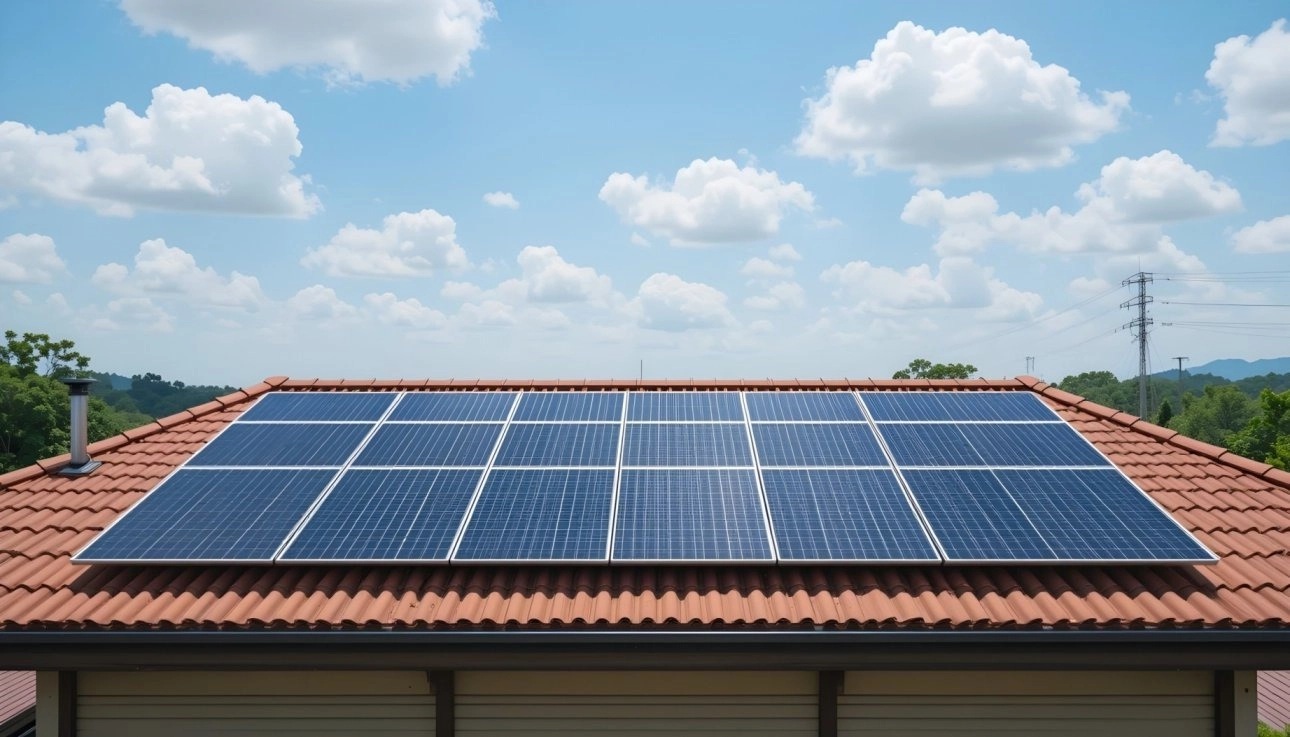
A Front Range roof is not just weather protection. Upgraded correctly, it lowers summer cooling bills, reduces ice dam risk in winter, and gives a listing photo-ready proof points buyers respond to. The upgrades that pay back fastest in Colorado are not always the most expensive ones.
Cool roofs at 5,280 feet
A cool roof uses reflective shingles or coatings that bounce more solar radiation than standard dark asphalt, which matters at altitude where UV intensity is higher than sea level. Front Range homeowners who switch to a lighter, reflective shingle report lower attic temperatures during July and August, when Denver regularly hits the 90s, a trend covered in green and energy-efficient homes in Denver.
Attic insulation: the highest return upgrade
Most Front Range homes built before the 1990s have attic insulation well under current recommended levels. Adding insulation to reach R-49 or higher in the Denver climate zone costs $1,500 to $4,000 for a typical attic and cuts heating and cooling costs 10% to 20% a year, one of the fastest payback windows of any home upgrade.
Radiant barriers
A radiant barrier installed under the roof deck reflects heat before it enters the attic, which helps most in the intense summer sun the Front Range gets. It runs $1,000 to $2,500 installed and works best paired with adequate attic ventilation, not as a replacement for it.
Attic ventilation and ice dams
Poor attic ventilation lets warm air escape into the attic space, melting snow on the roof that refreezes at the colder eaves and forms an ice dam. Ridge and soffit vent upgrades cost $500 to $1,500 and reduce ice dam risk more reliably than heat cables alone, which only treat the symptom.
| Upgrade | Typical cost | What it improves |
|---|---|---|
| Attic insulation to R-49 | $1,500 - $4,000 | Heating/cooling bills, comfort |
| Ridge and soffit ventilation | $500 - $1,500 | Ice dam risk, shingle life |
| Reflective/cool roof shingles | +$1,000 - $2,500 over standard | Summer attic heat |
| Class 4 impact shingles | +$1,500 - $3,000 over standard | Hail damage, insurance discount |
Class 4 shingles: durability and insurance
Class 4 impact-rated shingles pass the highest UL 2218 impact test rating for asphalt roofing and qualify many Front Range homeowners for a Colorado insurance premium discount, as detailed in Roof Replacement in Colorado: Costs, Lifespan, and Best Materials. The upgrade cost over standard architectural shingles pays back through the discount and through fewer hail claims over the life of the roof.
Solar tiles vs. traditional panels
Solar roof tiles integrate into the roofing surface instead of mounting on top of it, which some Front Range homeowners prefer for appearance, but they cost more per watt than traditional rack-mounted panels and have a smaller pool of installers who service them. Traditional panels remain the more common and more easily financed choice in the Denver metro.
Metal roofing in hail country
Metal roofing handles Colorado hail well when rated for impact resistance, resists UV degradation better than asphalt over the long term, and qualifies for insurance discounts similar to or better than Class 4 asphalt in most cases. The tradeoff is upfront cost, which runs meaningfully higher than asphalt shingle replacement.
Xcel Energy rebates
Xcel Energy periodically offers rebates for insulation, air sealing and efficient equipment; program details and funding change, so check current offerings directly with Xcel or a participating contractor before budgeting a rebate into the project cost, the same math laid out in energy efficiency as a Colorado buying factor.
What shows up in an appraisal
An appraiser notes roof age, material and condition as part of the overall condition rating, and a documented recent upgrade with permits and warranties supports a higher condition grade than an unverified claim of "newer roof," the same strategy behind high-efficiency HVAC as a Colorado seller's edge. Keep every invoice and certificate.
What buyers notice first
Front Range buyers respond most to visible proof: a recent permit sticker, a manufacturer warranty transfer letter, and a roof that looks uniform without patch repairs. Energy efficiency upgrades matter more in the utility bill history a seller can show than in curb appeal alone, though buyers touring listings still search every home for sale in Colorado on photos first.
Sequencing upgrades before a sale
For a seller with a limited budget, insulation and ventilation upgrades pay back faster than cosmetic roof upgrades, but a roof nearing the end of its life takes priority over both, part of the broader preparing and adding value before selling plan, since an inspection objection over roof condition undoes any energy-efficiency argument.
Homeowners comparing structural options can review learn more on insulated roof-wall panel systems, and DIY-inclined owners researching panel installation basics use guides like Solar panels installation walkthroughs before calling a licensed installer for a Colorado-specific quote.
Skylights and roof windows
Modern skylights with double or triple glazing reduce heat loss compared to older single-pane units, and new flashing kits installed with the skylight lower the leak risk that older skylights are known for on Front Range roofs. Budget $1,200 to $2,500 per skylight installed, including the flashing work.
Gutters and downspouts protect the rest of the investment
A roof upgrade works only as well as the drainage system routing water away from it. Oversized gutters and properly placed downspouts reduce ice dam buildup at the eaves and keep foundation water away from the house, a $1,000 to $2,500 upgrade on a typical Front Range home that protects every other improvement listed above.
Sequencing multiple roof upgrades in one project
Bundling insulation, ventilation and shingle upgrades into a single project saves on labor mobilization costs compared to three separate contractor visits, and it lets one contractor coordinate the work so ventilation changes are made before the new shingles go down, not after. Get a single detailed bid that itemizes each upgrade so it is clear what was actually done.
Utility bill history as proof for buyers
A seller with 12 to 24 months of utility bills showing a drop after insulation or ventilation work has documented proof an efficiency claim actually happened, which reads stronger to a Front Range buyer than a listing description alone. Save both the pre- and post-upgrade bills and offer them during showings or in the listing packet.
Matching upgrades to how long the seller plans to stay
A homeowner staying 10-plus years gets the full value of insulation and ventilation upgrades through lower bills every year, so those upgrades make sense regardless of a future sale. A homeowner planning to sell within a year or two should weigh cosmetic and Class 4 shingle upgrades more heavily, since those show up faster in a listing and an inspection than a bill-savings track record does.
Permits and inspections for efficiency upgrades
Insulation and ventilation work rarely needs a permit in most Front Range cities, but any roofing, structural or electrical component of a project, including skylights and solar-ready wiring, does. Confirm permit requirements with the contractor and the city before work starts; a completed project without a required permit can complicate a future sale even years later.
Where to go next
- Green and energy-efficient homes in Denver
- High-efficiency HVAC as a Colorado seller's edge
- Roof replacement in Colorado: costs and materials
- Preparing and adding value before selling
- Search every home for sale in Colorado
Talk to the Kenna Real Estate Group
Not every roof upgrade pays back the same way at resale, and the Kenna Real Estate Group tells Front Range sellers which ones to make before listing and which ones to skip. Call or text 303-955-4220. A live person answers. Not a robot, not a phone tree. Then search every home for sale in Colorado while the roof work is fresh in mind.
Homes for sale that match this post
Guides
Questions about any home in Colorado? Call or text 303-955-4220. A live person answers.