.jpg)



Staging a Front Range home for sale starts with decluttering and depersonalizing, then moves to curb appeal, furniture layout, a neutral color palette, and finishing touches, in that order. Each step removes one more reason a buyer hesitates, and together they help a Denver-metro listing sell faster and closer to the number on the Smart Pricing Report.
Declutter and depersonalize before anything else. Remove items from countertops, tables, and shelves, box up anything not used weekly, and pack away family photos and personal collections so buyers picture their own life in the space instead of the current owner's. A storage unit or a friend's garage works well for the boxed items during the listing period — the goal is a clean slate, not a permanently smaller house.
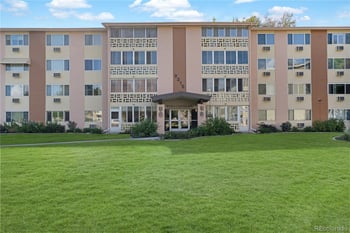
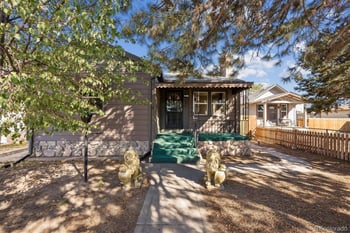
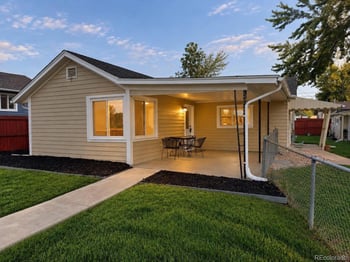
The exterior is the first thing a buyer sees, in person and in the listing's first photo, so a mowed lawn, trimmed hedges, fresh mulch, and seasonal blooms set the tone before anyone walks in. A fresh coat of paint on the front door, clean windows, a power-washed walkway, and updated house numbers and a mailbox close the gap between a home that looks maintained and one that looks neglected, even when the difference in actual condition is small. Working exterior lighting matters for evening showings, which are common on Front Range weeknights after a workday tour schedule.
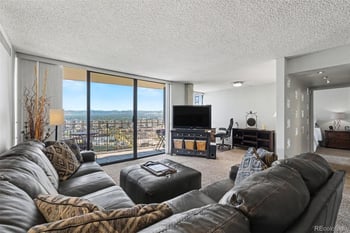
Oversized furniture crowding a walking path and pieces pushed flush against every wall both make a room look smaller than its real square footage. Arrange furniture to create a natural flow from the entry through the main living space, position seating to highlight a fireplace or a window view, and confirm a dining table is centered with chairs aligned rather than pushed to one side. Pull larger pieces a few inches off the wall — it sounds small, but it changes how a room reads in photos and in person.
Yes, when walls carry a strong personal color, show scuff marks, or have faded unevenly from sun exposure. Soft grays, warm whites, and beige tones read as a blank canvas buyers can picture their own furniture and decor against, and neutral colors reflect more light, which helps rooms with smaller windows or a north-facing exposure feel brighter. Save any bold color for a single accent wall rather than a full room.
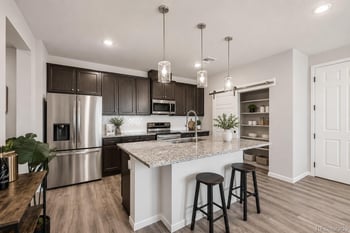
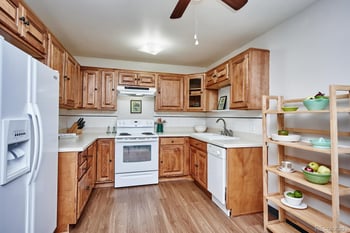
Crown molding, built-in bookshelves, original hardwood floors, and any exposed structural beams suggest quality and are worth clearing of clutter so they stand out during a showing. In the kitchen, clear counters let updated appliances and counter space show clearly. In bathrooms, a spa tub or a rainfall showerhead reads as a real upgrade when the room is spotless and well-lit. Open curtains and blinds wherever the home gets good natural light, and arrange furniture to direct attention toward a strong view rather than away from it.
Yes, in a few specific ways. Front Range winter indoor humidity can run 10 to 25 percent, which dries out wood furniture, trim, and even fresh flowers faster than in a milder climate — keep cut flowers watered daily during a listing period, and run a portable humidifier in rooms with fine wood furniture to prevent visible gaps from opening at the joints while the home is on the market.
Rooms with south- or west-facing windows fade rugs, upholstery, and wood finishes unevenly over time, and a visibly faded patch under a rug or on a cushion reads as neglect to a buyer even when the rest of the home is well kept. Rotate rugs and cushions before listing photos, and use a sheer curtain or a solar shade to soften direct afternoon light in west-facing rooms during showings without darkening the space.
Staging changes presentation, not the facts a seller has to put in writing. Colorado's seller's property disclosure covers known material defects — a roof's age, past water intrusion, or a system needing repair — and those disclosures stand regardless of how well a room photographs. A buyer's inspection, ahead of the contract's inspection objection deadline, will surface what staging cannot hide, so a seller is better off making real repairs before listing rather than styling around a known issue.
Some Front Range condo and HOA communities set rules for open houses and sign placement, and downtown Denver or Cherry Creek buildings frequently require a front-desk sign-in for showings or restrict lockbox placement to specific entries. Check the community's showing rules before scheduling the first open house, since a surprise restriction discovered mid-showing period costs momentum a listing rarely gets back.
Denver-metro tap water runs moderately hard, and it leaves mineral spotting on glass shower doors, chrome faucets, and dark countertops fastest of anywhere in the home. A quick vinegar-and-water wipe-down the morning of every showing keeps these high-visibility surfaces spot-free, and it takes less time than most other staging tasks on this list.
| Approach | Typical cost | Best for |
|---|---|---|
| DIY: declutter, depersonalize, rearrange | $0 to $300 (supplies, minor paint) | Occupied homes with usable existing furniture |
| Consultation plus DIY execution | $150 to $400 | Sellers who want a punch list without full staging cost |
| Partial professional staging | $800 to $2,500 for the listing period | Key rooms in an occupied home |
| Full or vacant staging | $2,500 to $6,000+ | Empty homes and higher price bands |
The Kenna Real Estate Group pairs a room-by-room staging checklist with a pricing strategy built from recent Front Range comparable sales, so a listing looks its best and is priced to match. Ask for the printable staging checklist in the form below and we email it the same day. Call or text 303-955-4220. A live person answers. Not a robot, not a phone tree. Ready to see what is on the market right now? Search every home for sale in Colorado.
Questions about any home in Colorado? Call or text 303-955-4220. A live person answers.
Declutter and depersonalize every room. Box up non-essentials and pack away personal photos so buyers can picture their own life in the space.
Yes. The exterior is the first thing a buyer sees, in person and in the listing's lead photo, and a maintained lawn, fresh paint on the door, and clean windows set expectations before anyone walks in.
Soft grays, warm whites, and beige tones read as a blank canvas most buyers can picture their own furniture against. Save bold color for a single accent wall.
Yes. Indoor humidity of 10 to 25 percent in winter dries out wood furniture, trim, and fresh flowers faster than in a milder climate. Water cut flowers daily during a listing period.
South- and west-facing rooms fade rugs and upholstery unevenly over time. Rotate rugs and cushions before listing photos and use a solar shade on unfiltered west-facing glass.
Yes. Colorado's seller's property disclosure covers known material defects regardless of staging, and a buyer's inspection before the contract's inspection objection deadline will surface what staging did not address.