.jpg)


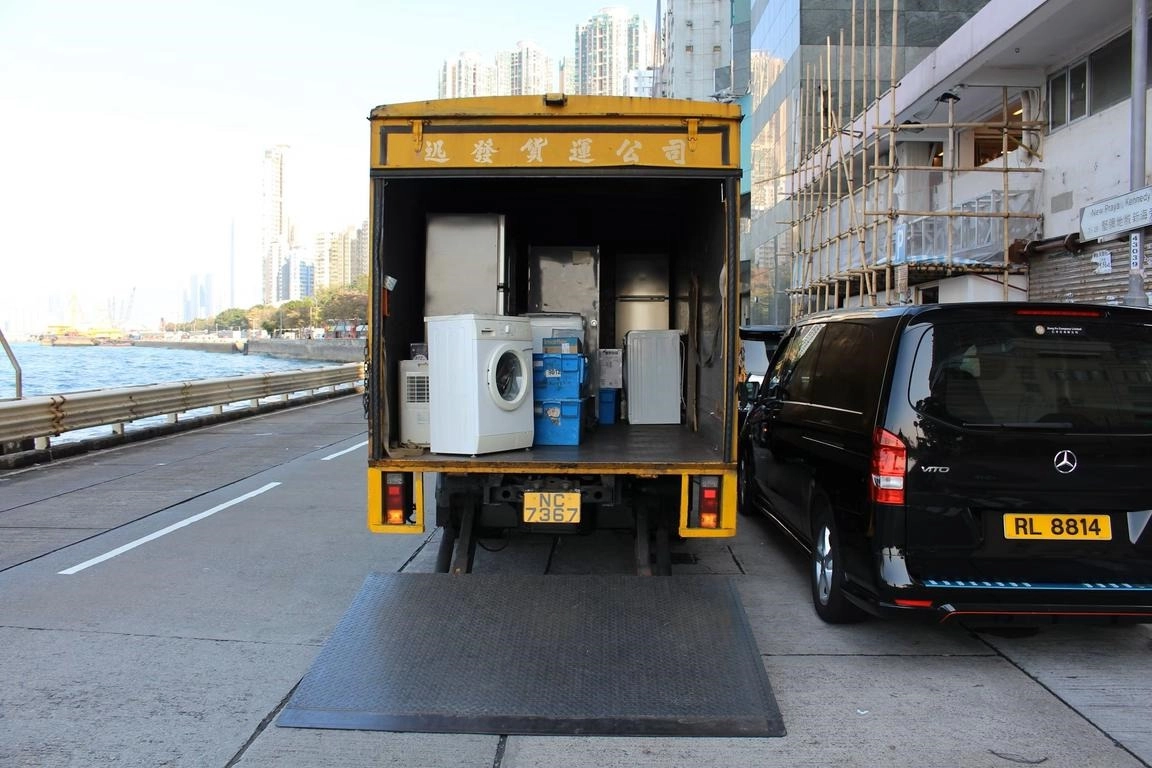
The fastest way to move into a new Colorado home without forgetting something important is to work from a written, room-by-room checklist that starts before the truck is booked and ends after the last box is unpacked. Front Range moves add a few steps buyers in other states skip entirely: HOA paperwork, metro district taxes, and city moving-truck permits.
What's the full checklist for moving into a new Colorado home?
Break the move into three phases: before packing (inspect the new home, schedule utilities, request HOA documents), packing week (label boxes by room, protect fragile items, confirm mover or truck logistics), and move-in (unpack essentials first, set up the largest furniture, then handle decor). Working phase by phase, instead of room by room from the start, keeps the whole process from feeling like one giant task.
How far ahead should I start packing for a Front Range move?
Start four to six weeks out for a full household. Pack out-of-season items and rarely used rooms first (guest rooms, storage closets, garage shelving), and leave daily essentials for the final week. A Denver-to-Denver move across town still benefits from this timeline; local moves get rushed more than long-distance ones, which is when items go missing.
What utilities do I need to set up before move-in day in Denver?
Electric and gas through Xcel Energy, water through Denver Water or the local municipal provider, and trash and recycling through the city or a private hauler, depending on the address. Internet providers in the Denver metro area vary by block, so confirm service availability at the exact address before move-in, not just the neighborhood. Schedule all four for the morning of move-in day, not the day after.
Do I need a permit to park a moving truck in Denver?
Some Denver blocks require a temporary parking permit or a reserved loading zone for a moving truck, especially in dense neighborhoods with permit-only residential parking. Check the Denver parking permits and parking rules guide before moving day so the truck isn't ticketed or towed while it's loaded.
What HOA documents should I request before I move in?
Ask for the CC&Rs, current rules and regulations, the most recent financial statement, and any pending special assessment notices. Colorado HOAs must provide these documents to a buyer during a real estate transaction, and reading them before move-in avoids surprises about parking rules, exterior paint restrictions, or rental limits. See the Denver HOA rules and fees guide for what to check.
How do I find out if a Colorado home has a metro district tax?
Many newer Front Range communities carry a metro district assessment on top of standard property tax, sometimes adding several hundred to a few thousand dollars a year. This shows up on the title commitment and county tax record, and it should already have come up during the purchase, but confirm the exact annual amount before your first tax bill arrives. The Denver special district and metro district tax guide breaks down how these assessments work.
What should I unpack first in a new Colorado home?
Bedding, toiletries, a box of kitchen basics, and any documents you'll need in the first week (lease or closing paperwork, insurance cards, medication list). Set up beds and the kitchen first; everything else can wait a day or two without disrupting daily life.
Does Colorado's dry climate affect furniture during a move?
Yes. Front Range winter humidity runs 10 to 25 percent indoors, which is dry enough to crack wood veneer, loosen glued joints, and shrink solid wood pieces that were built or stored in a more humid climate. Let wood furniture sit in the new home for a day before adjusting it, and run a humidifier at 35 to 45 percent for the first few weeks if the piece is valuable or antique.
Should I test for radon after moving into a Colorado home?
Radon testing is common practice in Colorado real estate transactions because of the state's geology, and most buyers test as part of the inspection period before closing. If a test wasn't done, or it's been more than two years, a follow-up test after move-in (kits run $15 to $30, or $100 to $200 for a professional test) is a reasonable step, since levels vary by specific lot and foundation type.
How do I research resale value before settling into a new neighborhood?
Pull recent sold prices for comparable homes on the same street or in the same subdivision, and check whether the area is trending up or holding flat. The Kenna market reports break this down by Front Range city and ZIP code, including the hottest and coldest Denver ZIP codes report.
What Colorado-specific paperwork should I keep after closing?
Keep the closing disclosure, title policy, seller's property disclosure, HOA documents, home warranty (if included), and any inspection report. These matter if a defect shows up later or if you sell within a few years and need to show what was disclosed at purchase.
How do I set up water and trash service in a new city?
Contact the specific municipal utility office for the new address; Denver, Aurora, Littleton, and other Front Range cities each run their own water and trash billing, and some unincorporated areas use a metro district or private hauler instead. Confirm which applies before the first bill is due, since late setup can mean a service gap or a deposit requirement.
What should renters check that buyers don't need to?
Renters should confirm the move-in inspection report matches the unit's actual condition, get the security deposit terms and return timeline in writing, and photograph every room before unpacking. Colorado law sets specific deposit return timelines, and documentation at move-in protects the deposit at move-out.
How do I avoid forgetting something important during the move itself?
Keep one folder (paper or digital) with the closing or lease paperwork, utility confirmation numbers, mover contact information, and a copy of the packing inventory. If the move involves a full-service company, perfectlyfastmoving.com and similar movers can handle packing, transport, and unpacking; you are free to use any mover you choose.
How do I choose between movers and a DIY move in Colorado?
A full-service mover makes sense for a long-distance relocation, a household with large or fragile furniture, or a move happening on a tight closing timeline. A DIY move with a rented truck works for a smaller household moving a short distance, especially with friends or family available to help load. Get at least two moving quotes if hiring out; Front Range moving costs vary widely by season, with summer being the busiest and most expensive stretch.
What should I do the day before movers arrive?
Confirm the arrival window, clear a path from the door to the truck, and set aside a bag with essentials (medications, chargers, a change of clothes) that travels with you rather than in the truck. Take photos of any furniture with existing damage before the move, and confirm parking availability at both the old and new address, especially if either is on a street with permit-only parking.
Where to go next
- Moving to Denver
- Colorado Front Range Relocation Checklist
- Denver HOA Rules and Fees Guide
- Denver Utility Providers and Costs Guide
- Search every home for sale in Colorado
- Colorado Relocation Services
Talk to the Kenna Real Estate Group
The Kenna Real Estate Group helps buyers moving anywhere on the Front Range understand HOA rules, metro district costs, and utility setup before closing day, not after. Call or text 303-955-4220. A live person answers. Not a robot, not a phone tree. Or search every home for sale in Colorado to start planning the move.
Homes for sale that match this post
- Special Districts Property Tax Guide in Denver
- HOA Rules and Fees Guide in Denver
- Homes with 2 Car Garage in Denver
- Property Taxes Guide in Denver
- Homes with Gourmet Kitchen in Denver
- Relocation: guide
- All homes for sale in Denver
Guides
Questions about any home in Colorado? Call or text 303-955-4220. A live person answers.