New - Just Now
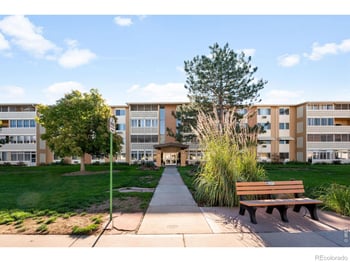
$140,000
Active
1
Beds
1
Baths
855
Sqft
129.76
Acres
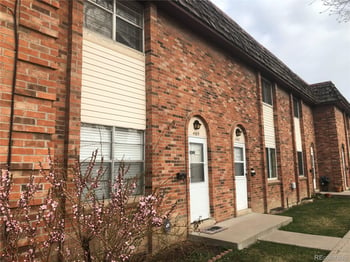
9150 E Center Ave #6D, Denver, CO 80247
MLS#: RECIR1070151
.jpg)



The Colorado move-in checklist has five deadlines the rest of the country does not: a Colorado driver license within 30 days of becoming a resident, vehicle registration within 90 days, an emissions test for most cars in the Denver metro and North Front Range, utility accounts opened with the right provider for your city (it is not always Xcel), and a sidewalk shoveled within 24 hours of a snowstorm. Everything else is packing. This page runs the timeline from 8 weeks out to 90 days in, with the Colorado agencies, costs and altitude prep at each step.
Colorado utilities are split by city, and the provider you had in Denver does not follow you to Parker or Pueblo. Open the new accounts 2 weeks before closing with a start date of closing day; the seller closes their account the same day, and a 1-day gap in January means a frozen pipe.
| City | Electric | Natural gas | Water and sewer |
|---|---|---|---|
| Denver | Xcel Energy | Xcel Energy | Denver Water; wastewater billed by Denver |
| Aurora | Xcel Energy | Xcel Energy | Aurora Water |
| Highlands Ranch, Parker, Castle Rock | CORE Electric Cooperative (Xcel in parts) | Xcel Energy or Black Hills Energy by street | Centennial Water, Parker Water, Castle Rock Water |
| Colorado Springs | Colorado Springs Utilities | Colorado Springs Utilities | Colorado Springs Utilities |
| Fort Collins | Fort Collins Utilities | Xcel Energy | Fort Collins Utilities |
| Pueblo | Black Hills Energy | Black Hills Energy | Pueblo Water |
| Brighton, Commerce City (parts) | United Power | Xcel Energy | City of Brighton, South Adams County Water |
Trash is a city service in Denver (a monthly pay-as-you-throw fee based on cart size) and a private hauler contract in most suburbs, $20 to $35 a month. Internet is Xfinity or Quantum Fiber across most of the metro. Ask the seller for 12 months of bills during the contract; the average Xcel gas-plus-electric bill on a 2,000 sq ft Front Range home runs $150 to $260 a month. Provider details, deposits and typical bills are in our Denver utility providers and costs guide.
Driver license within 30 days. Colorado law treats you as a resident once you take a job, sign a lease or buy a home here, and gives you 30 days to get a Colorado license through the Colorado DMV (Division of Motor Vehicles). Book the appointment online the week you close; walk-in slots in the Denver metro are rare.
Vehicle registration within 90 days. Register at your county motor vehicle office (the county clerk runs it), not the state driver license office. You need the out-of-state title or lien information, proof of Colorado insurance, a VIN verification for out-of-state cars, and an emissions test if the car is registered in the Denver metro or North Front Range program area (Air Care Colorado stations, $25 for most gasoline cars, with newer cars exempt for the first several model years). Colorado's registration fee includes an ownership tax based on the car's value, so a newer car costs $400 to $900 a year. The full DMV, insurance and emissions walk-through is in When you move to Colorado, the car is the thing that trips people up.
Voter registration. Register online at the Colorado Secretary of State's site with your new Colorado license. Colorado mails a ballot to every active registered voter, and in-person same-day registration is allowed through Election Day.
Dog license. Denver requires a license for every dog over 6 months, renewed yearly, with proof of rabies vaccination. Most suburbs and counties require one too.
The house. Walk it with the inspection report in hand. Finding maintenance issues early is cheaper than finding them in January: locate the main water shutoff, replace the furnace filter, test the sump pump if there is one, test smoke and CO detectors (Colorado requires carbon monoxide alarms in homes with fuel-burning appliances or attached garages), and run a radon test kit ($15 to $30) if the seller did not provide a result.
The newcomer's guide covers cost of living, commutes and neighborhoods: Moving to Denver: a newcomer's guide. City pages for the suburbs are on our Colorado relocation services page.
Colorado property tax bills come from the county treasurer in January for the prior year and are paid in two halves (February and June) or in full by April 30. If your lender escrows, confirm the first escrow analysis. Homes in newer subdivisions in Parker, Castle Rock, Aurora, Erie and Thornton sit inside metro districts that add 10 to 60 mills to the bill; the amount was disclosed during the contract and it shows up in this first statement. Our Denver special district and metro district tax guide explains the line items.
Keep the closing disclosure, the title policy, the inspection report, the seller's property disclosure and every receipt for improvements in one folder. You need them for taxes, for the next sale, and for the insurance claim after the next hailstorm. The fees and trade-offs newcomers miss in this window are in The real cost of living on the Front Range.
The Kenna Real Estate Group at Keller Williams DTC hands every buyer this checklist with the utility providers, HOA contacts and county offices filled in for the home they bought, and stays on the phone through the first 90 days. Call or text 303-955-4220. A live person answers. Not a robot, not a phone tree. Still choosing the home? Search every home for sale in Colorado.
Questions about any home in Colorado? Call or text 303-955-4220. A live person answers.
30 days after establishing residency, through the Colorado DMV. Vehicle registration is due within 90 days at the county motor vehicle office, with an emissions test in the Denver metro and North Front Range program area.
Xcel Energy for most of Denver, Aurora, Lakewood, Arvada and Boulder. Highlands Ranch, Parker and Castle Rock split between CORE Electric Cooperative and Xcel, Colorado Springs uses Colorado Springs Utilities, and Pueblo uses Black Hills Energy.
Online at the Colorado Secretary of State's site with your Colorado license, or in person at a county clerk's office through Election Day. Colorado mails a ballot to every active registered voter.
$130 to $200 per hour for a 3-person crew and truck, so $1,200 to $2,800 for a 3-bedroom house. Book 4 to 6 weeks ahead between mid-April and August.
Within 24 hours after the snow stops for homeowners, 4 hours for businesses. Fines start at $150.
Add a whole-house humidifier to the furnace ($500 to $900 installed) or two room units. Indoor humidity drops to 10% to 20% in January, which gaps wood floors and dries out everyone in the house.
Before the first hard freeze, mid-October in the Denver metro. A compressed-air blowout costs $60 to $120; a split backflow preventer costs $300 to $600.
Condo and townhome associations in Denver, Highlands Ranch and Lone Tree charge $200 to $500 as a fee or refundable deposit and require a reservation. The policy is in the association documents delivered during the contract.