New - 30 Mins Ago
.jpg)


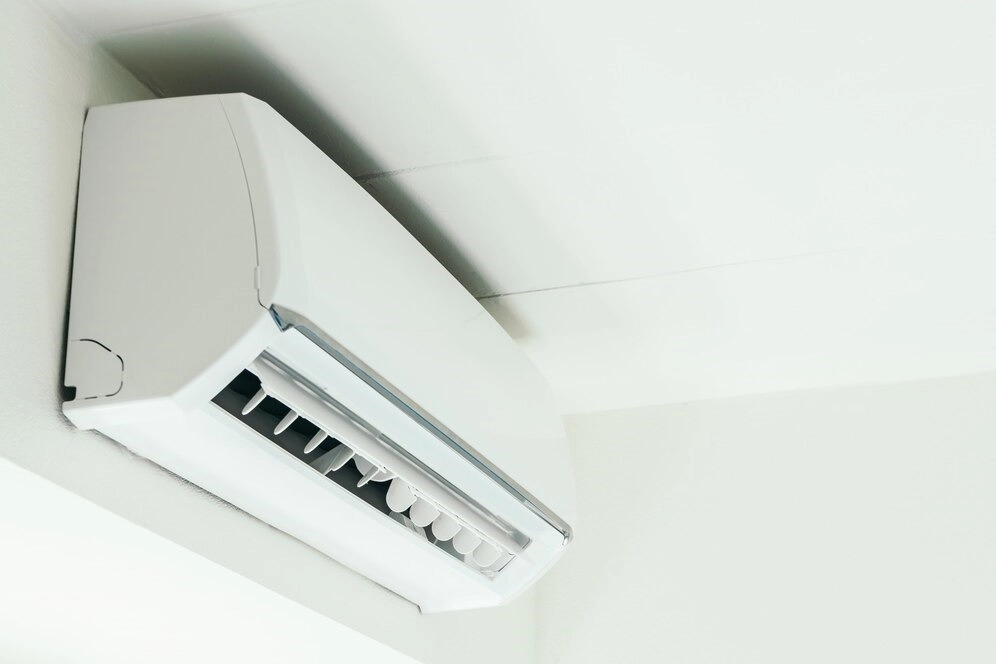
Most Front Range homes cool efficiently with an evaporative cooler because Colorado's summer air is dry enough for one to work, but central air conditioning handles the humid spikes of monsoon season and hot nights better, and it holds more value with buyers who are used to it. The right choice depends on the home's age, its ductwork, and how many weeks a year actually feel hot.
An evaporative cooler, known locally as a swamp cooler, pulls outside air through water-soaked pads and pushes the cooled, humidified air into the house. It works because Colorado's summer relative humidity sits low enough for water to evaporate quickly, pulling heat out of the air in the process; the drier the outside air, the bigger the temperature drop. A swamp cooler costs a fraction of central AC to install and run, and it adds humidity that Colorado's dry summer air is missing.
Colorado's monsoon season, roughly mid-July through August, brings afternoon humidity spikes that cut an evaporative cooler's effectiveness sharply, since there is less dry air for the water to evaporate into. A swamp cooler also cannot dehumidify, so on the handful of muggy monsoon days each summer a home relying on one alone will feel warm and sticky no matter how much the pads run. Central air conditioning removes humidity as it cools, which is the main reason some Front Range homeowners install both systems.
Air conditioners are rated for cooling capacity at sea level, and thinner air at Denver's 5,280 feet reduces the density of air moving across the coils, which lowers real-world cooling output compared to the same unit at sea level. A licensed HVAC contractor sizes a Front Range AC installation for the home's actual elevation rather than using a sea-level rule of thumb, and an undersized unit installed without that adjustment will run constantly on the hottest days and still fall short.
| System | Typical install cost | Monthly summer operating cost |
|---|---|---|
| Evaporative cooler (window or roof-mount) | $1,500-$4,000 | $15-$40 |
| Central air conditioning | $5,000-$12,000 | $60-$150 |
An evaporative cooler also uses water, roughly 3 to 15 gallons an hour depending on unit size and outdoor humidity, which is a real cost on a metered water bill but still comes in well below central AC's electric draw on a 95-degree Front Range afternoon.
Xcel Energy's Colorado time-of-use pricing plans charge more per kilowatt-hour during summer afternoon and early evening peak hours, exactly when an AC system runs hardest. A programmable or smart thermostat that pre-cools the house before the peak window starts and eases off during it keeps a summer electric bill lower under a time-of-use plan than running the AC on a flat schedule; check your specific plan's peak hours on Xcel's site, since they vary by rate schedule.
A central air conditioner on the Front Range runs 12 to 18 years with regular filter changes and a yearly refrigerant check, on the shorter end of that range if hail damage or a refrigerant leak goes unaddressed for a season or more. An evaporative cooler's pump, pads and belt wear faster since the unit runs on a different maintenance cycle, and most pad-and-pump replacements happen every three to five years even on a well-maintained system.
Xcel Energy offers rebates on qualifying high-efficiency central air conditioners, heat pumps and smart thermostats for Colorado customers; the eligible equipment list and rebate amounts change yearly, so pull the current program details before buying rather than budgeting around a number from a prior year.
For homeowners weighing a repair against a replacement, the same logic applies here as anywhere: AC Repair by Fayetteville HVAC and any qualified Front Range HVAC contractor will walk through the same refrigerant, coil and airflow checks before recommending one over the other, and you are free to use any provider you trust.
Buyers relocating from more humid states expect central air and ask about it during a showing, especially for homes without it in South Denver, Highlands Ranch and Colorado Springs, where summer afternoons regularly top 90 degrees. A working, properly sized system with recent service records is a selling point worth mentioning in a listing; an old or undersized unit is a repair-credit conversation waiting to happen during the inspection objection window.
| Symptom | Common cause | Typical fix |
|---|---|---|
| Weak airflow from vents | Clogged filter or blocked return | Filter change, duct inspection |
| System runs but doesn't cool | Low refrigerant from a slow leak | Leak detection and recharge |
| Short cycling on and off | Undersized or oversized unit for the home's elevation | Load calculation and possible replacement |
| Ice on the outdoor unit | Restricted airflow or low refrigerant | Coil cleaning, refrigerant check |
| Loud rattling from the condenser | Hail-bent fins or a failing fan motor | Fin comb repair or motor replacement |
A system installed without accounting for Denver's elevation is one of the more common causes of short cycling on the Front Range, since an oversized unit for the reduced air density cools the space too fast without properly removing humidity, then shuts off before it has run a full cycle.
Buyers downsizing into a ranch or patio home on the Front Range weigh cooling comfort more heavily than a first-time buyer does, since they plan to spend more hours at home through the hottest part of the day. A home with a well-maintained central AC system, or an evaporative cooler paired with good attic ventilation, is worth pointing out specifically in a listing aimed at that buyer, alongside single-level living and low-maintenance yards.
Ask for the printable AC maintenance checklist in the form below and we email it the same day, so you have the filter schedule and condenser checks on hand before summer starts.
The Kenna Real Estate Group helps Front Range buyers weigh a home's cooling system as part of the offer and helps sellers decide whether an AC upgrade pays off before listing. Call or text 303-955-4220. A live person answers. Not a robot, not a phone tree. Ready to look at homes now? Search every home for sale in Colorado.
Questions about any home in Colorado? Call or text 303-955-4220. A live person answers.
For most of the season, yes, since Colorado's summer air stays dry enough for evaporative cooling to work well. During the humid stretch of monsoon season in July and August, a swamp cooler alone loses effectiveness because there is less dry air to evaporate into.
Yes. Thinner air at 5,280 feet lowers real-world cooling capacity compared to a sea-level rating, so a Front Range installer should size the unit for the home's actual elevation rather than a sea-level chart.
Time-of-use plans charge more per kilowatt-hour during summer afternoon and evening peak hours, exactly when AC runs hardest; pre-cooling the home before the peak window with a smart thermostat lowers the bill under these plans.
Roughly 3 to 15 gallons an hour depending on unit size and outdoor humidity, a real cost on a metered water bill but still far below the electric cost of running central AC on a 95-degree afternoon.
Yes. Outdoor condenser fins bend and cabinet panels crack during Colorado's April-to-September hail season; check the unit after every significant storm, since a standard homeowners policy covers this damage.
In South Denver, Highlands Ranch and Colorado Springs, buyers relocating from humid states expect it and ask during showings. A working, recently serviced system is a selling point; an old or undersized one becomes a repair-credit request during the inspection window.
Every one to three months during cooling season. Front Range dust and pollen loads clog filters faster than in humid climates, and a clogged filter forces the system to work harder for less cooling.
Xcel Energy runs a Colorado rebate program for qualifying high-efficiency AC units, heat pumps and smart thermostats; the eligible models and rebate amounts change yearly, so check the current list before buying equipment.