.jpg)


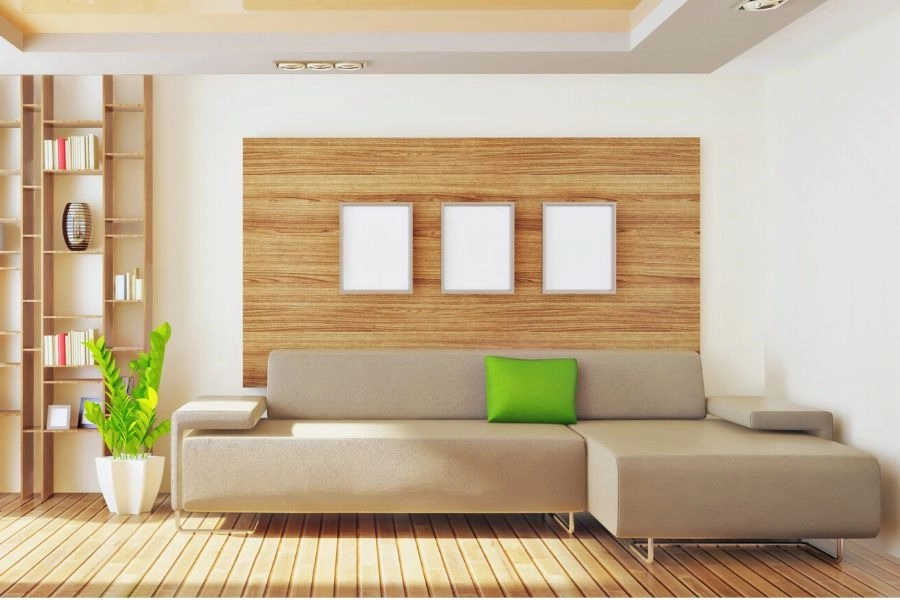
Furnishing a Colorado home with sustainable materials, solid wood, bamboo, low-VOC finishes, does more than reduce waste. It also holds up better to the Front Range's dry climate and intense sun than cheap composite furniture, which makes sustainability and durability the same decision for most Colorado buyers.
What makes furniture sustainable
Sustainable furniture uses renewable or reclaimed materials, avoids volatile organic compounds in finishes, and is built to last rather than to be replaced in a few years. Bamboo grows and regenerates far faster than hardwood trees, making it one of the most renewable materials available for furniture frames and flooring. Reclaimed wood pieces, built from salvaged barn wood or old-growth lumber pulled from demolished structures, avoid new timber harvesting entirely while carrying visible history in the grain.
Why sustainable materials suit Colorado's climate
Solid wood and bamboo hold up better to the Front Range's low indoor humidity, commonly under 30% in winter, than pressed wood or particleboard, which can swell, peel or crack in dry conditions. A well-built solid piece also survives the intense UV exposure of roughly 300 sunny days a year better than laminate finishes, which fade and degrade faster under direct light.
Low-VOC finishes and indoor air quality at altitude
Furniture finished with low- or no-VOC paints and sealants off-gasses less into indoor air, which matters more in a well-sealed, energy-efficient Colorado home where air exchange with the outdoors is lower than in an older, leakier house. Homeowners sensitive to strong finish odors, or furnishing a nursery or bedroom, should look for furniture labeled low-VOC or finished with natural oil rather than a standard lacquer.
Buying local and reducing shipping impact
Furniture built by Front Range and regional makers cuts the shipping distance and associated emissions compared to furniture shipped from overseas manufacturers, and it supports Colorado's local design and woodworking businesses directly. Local buys also tend to arrive faster and are easier to source replacement parts or repairs for than an imported piece from a company with no local presence.
Sustainable furniture and resale value
Buyers touring a Front Range listing do not ask directly whether furniture is sustainable, but they do notice quality: a solid, well-built piece photographs and shows better than a mass-produced composite piece showing wear. Sellers restaging a home before listing get a dual benefit from choosing sustainable, solid materials: better durability through the staging period and a room that photographs as higher quality regardless of whether a buyer clocks the sustainability angle.
Repairing versus replacing furniture
The most sustainable furniture choice is the piece already in the house. A solid wood frame with worn upholstery or a faded finish can be reupholstered or refinished for less than the cost of new furniture, extending the piece's life by years and keeping it out of a landfill. Colorado's dry climate is actually kinder to refinishing projects than a humid one, since wood finishes cure faster and more evenly in low humidity.
Sustainable furniture certifications worth knowing
The Forest Stewardship Council label on wood furniture indicates the timber came from a managed, responsibly harvested forest, one of the more recognizable third-party certifications in the furniture industry. Greenguard certification indicates a piece was tested for low chemical emissions, which is a useful data point beyond a manufacturer's own low-VOC claim. Neither certification is required for furniture to be genuinely durable and well-made, but both give a homeowner a way to verify a sourcing claim rather than take it at face value.
What sustainable furniture costs compared to conventional options
Solid wood and bamboo furniture costs more upfront than particleboard or laminate pieces, commonly 20% to 50% more for a comparable size and style, but the longer usable life and lower replacement frequency narrow that gap over time. For a Colorado homeowner planning to stay in a home for several years, the higher upfront cost of a durable piece works out to a lower cost per year of use than replacing cheaper furniture every few years as it degrades in the dry climate.
Sustainable furniture and Colorado's recycling and donation options
When furniture does reach the end of its usable life, solid wood and metal pieces are easier to donate, resell or break down for material recycling than composite furniture bonded with adhesives that make separation difficult. Several Front Range organizations accept gently used furniture donations, which keeps usable pieces out of the waste stream and gives them a second life in another Colorado household.
Sustainable furniture for a rental or investment property
Colorado landlords furnishing a rental unit benefit from the same durability logic that applies to an owner-occupied home: solid furniture survives tenant turnover and the Front Range's dry climate better than particleboard pieces, which reduces replacement costs between leases. A furnished rental stocked with durable, easy-to-clean materials also tends to photograph better in listing photos, which matters for attracting a reliable tenant pool in a competitive rental market.
Sustainable furniture and altitude storage considerations
Furniture stored in an unfinished basement or garage, common storage spots in Front Range homes during a move or a renovation, faces temperature swings and humidity changes that are harder on composite materials than on solid wood or metal. A piece intended for long-term storage between moves holds up longer if it is solid material stored off a concrete floor and away from a garage's temperature extremes between a Colorado winter and summer.
Choosing a sustainable furniture retailer
Ask a retailer directly about where wood is sourced, whether finishes are low-VOC, and whether the manufacturer publishes sourcing information rather than a general sustainability claim without detail. A retailer willing to answer specific material and sourcing questions is more transparent than one relying on vague marketing language alone.
Where to go next
- Preparing and adding value before selling
- Why solid furniture is a smart choice for a sustainable Colorado home
- Green and energy-efficient homes in Denver
- Making your Colorado relocation more sustainable
- Rental property checklist for Colorado owners
- Search every home for sale in Colorado
Talk to the Kenna Real Estate Group
The Kenna Real Estate Group helps Front Range sellers choose durable, well-built furnishings that hold up through a staging period and beyond, and helps buyers evaluate the quality and condition of what is already in a home. Call or text 303-955-4220. A live person answers. Not a robot, not a phone tree. Or search every home for sale in Colorado to compare current Front Range listings.
Homes for sale that match this post
- Energy Efficient Homes in Denver
- Staging: guide
- Pool: guide
- Basement: guide
- Homes with 2 Car Garage in Denver
- All homes for sale in Denver
Guides
Questions about any home in Colorado? Call or text 303-955-4220. A live person answers.