.jpg)


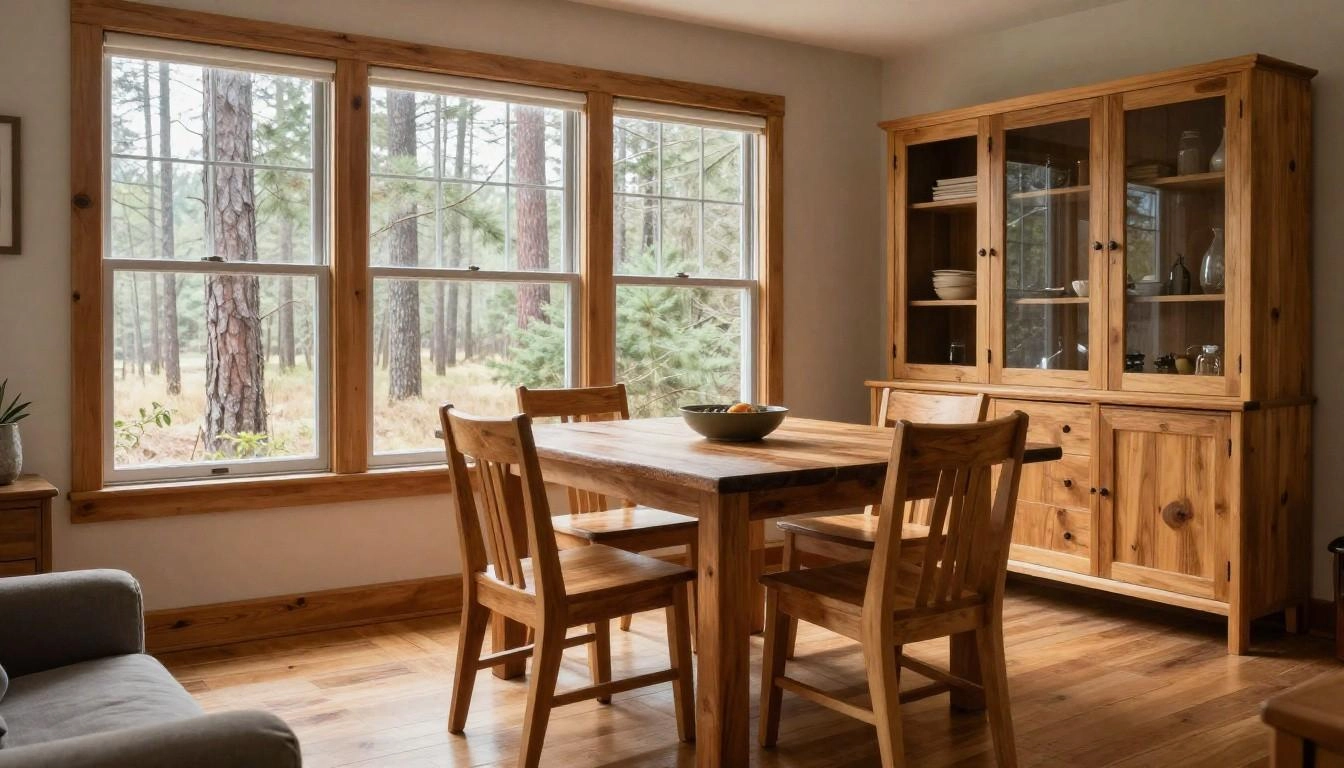
Coloradans notice what survives the dry air, intense sun, and daily wear and tear. If something becomes disposable, it loses value. This practical approach shapes your interior design, even if you don't label it "sustainable."
You might aim for eco friendly furniture, but still end up with pieces that quickly end up in landfill waste. Sustainable furniture is less about labels and more about materials from natural resources, construction, and how long it lasts in your home. So when durability matters as much as sustainability, what kind of furniture actually makes sense for you in Colorado?
Amish Furniture is Built to Last Decades, Not Years
When shopping for sustainable furniture, you will frequently find choices made from reclaimed wood or other reclaimed materials. This approach can be effective when the old lumber is carefully selected, and solid joinery is used. However, many reclaimed pieces use weaker frames or thin construction, which tend to break down faster with daily use compared to sturdier builds like Amish furniture.
Second-hand furniture can reduce waste by being reused, but many second-hand items are close to the end of their usable lifespan. Problems such as peeling veneers and weak joints are common, making repairs harder—or even impossible—than refreshing or repairing higher-quality solid wood furniture. Even upcycled wood pieces may fall short if they aren't designed for disassembly or refinishing, unlike traditionally-built solid wood furniture.
You will also see pieces made from recycled materials, such as packaging and upcycled plastic bottles. On paper, that looks responsible because these manufacturers seem eco-friendly. However, furniture from recycled water bottles often lacks toughness and repair options found in solid-wood furniture. When these items crack, fade, or break, the only option is to replace them. Amish furniture focuses on long-term construction, so you can keep the same piece for decades instead of replacing it.
Solid Wood Means Fewer Chemicals in Your Home
Spending time around different types of furniture reveals clear differences between solid wood and engineered pieces. Engineered furniture, made of layers, fillers, and glue, relies on adhesives that can release chemicals as the materials age—an effect more noticeable in rooms that stay closed. In contrast, solid wood options use fewer adhesives, reducing this effect.
Many composite furniture pieces also rely on chemical flame retardants to meet basic requirements. Those treatments do not just stay locked inside the material forever. The United States Environmental Protection Agency (EPA) has pointed out that composite wood products are a common source of VOCs in indoor spaces. This is why sustainable wood furniture made from FSC-certified wood, including FSC-certified oak from certified forests, is a sounder choice because it reduces that exposure while still supporting responsible sourcing.
Sustainable furniture, like Amish furniture, never uses Medium-Density Fiberboard (MDF), recycled plastic, or heavy adhesives. Instead, it relies on simple construction, eco-friendly materials, and traditional joinery. These solid wood pieces also perform better in Colorado's dry air and changing seasons. Rather than breaking down inside, they age in a way that’s easy to handle.
Sustainable Wood Sourcing Makes a Real Difference
Sustainable wood sourcing matters. Amish workshops don't use random sources. They work with certified forests, ensuring lumber is harvested responsibly.
Those forests are often managed in accordance with standards set by the Rainforest Alliance and the Forest Stewardship Council. The focus of these standards is on sustainable forest management, including attention to regrowth, soil health, and water stewardship, so that harvesting does not damage the surrounding environment and does not add to the carbon footprint to meet short-term demand.
How the wood gets transported from the forest to the workshop also matters. Amish furniture usually has a shorter supply chain in its business model (fewer steps and fewer middlemen), which means fewer handoffs and less back-and-forth before a piece is even built. That alone reduces unnecessary transport and waste caused by environmental factors and other unforeseen incidents.
One Quality Piece Creates Less Waste Over Time
Most of the time, you replace a dining table not because it breaks, but because repairs feel impossible or not worth it. If you can tighten, repair, or refinish a piece, you do not have to replace it quickly or overspend. That is when sustainable furniture starts to make sense.
A worn surface does not mean a piece is done. It just means it has been used. If you can repair or refinish furniture, you see wear as part of its character. That is why vintage and sustainable furniture hold value. When built properly, they stay useful in everyday homes.
A table is a good example. It gets leaned on, dragged, wiped down, and used daily. With better pieces, the legs stay tight, and you can refinish the top when it shows wear. Cheaper furniture rarely gets a second chance. If it breaks and can’t be fixed, you must replace it.
Ready for a more sustainable home?
Call or Text Kenna Real Estate Group at 303-955-4220 to get personalized assistance from our expert real estate agents. Find out what your home is worth in today's market.
Works Well in Colorado Homes and Lifestyles
During winter, the windows stay shut, so whatever is inside lingers. Furniture affects this, especially if it has layers, coatings, or finishes that release chemicals. Using natural materials keeps air quality high and simplifies things.
Most mass-produced furniture is treated to meet requirements, often with the addition of flame retardants and heavy finishes. You may see labels like GREENGUARD Gold, but even with these certifications, the furniture is still made from layered materials and coatings. In comparison, in smaller rooms or homes, the effects accumulate: smells linger, and the space feels less clean.
Solid wood furniture causes little to no harm to your space, thanks to simple finishes and minimal processing. You see this thinking in other choices, like biodegradable mattresses. Even furniture labeled GREENGUARD Gold cannot match solid wood with minimal finishes. This option keeps your home comfortable and predictable.
Buying Amish Furniture Supports Ethical and Quality Craftsmanship
When you furnish your home in Colorado, you think about how things will be used, not just how they look. Interior design choices rely on pieces that feel sturdy and familiar, not overly styled. Furniture that is useful year after year fits that mindset. Amish furniture fits these needs naturally.
Style is rarely an issue. Amish furniture fits with your existing interior design. Its hand-carved details and natural styles work in Scandinavian or mid-century rooms. Neutral finishes and quiet colors blend into your home instead of dominating it.
You notice the difference in how each piece works. Amish dining room furniture withstands daily meals, spills, and movement without feeling fragile. It still looks right when the table is full. Amish bedroom furniture stays quiet and functional. Office furniture holds up to regular work. When craftsmanship comes first, the furniture fits into your life, not the other way around.
Sustainable Choices That Actually Hold Up Over Time
In Colorado, furniture either endures or ends up in a landfill. Eco-friendly furniture must survive daily use and harsh seasons to avoid becoming disposable.
Sustainable furniture built from sustainable materials does more than look good in interior design. It lowers your carbon footprint by lasting longer, staying repairable, and avoiding the constant cycle of buying and discarding. That is the same reason vintage furniture still exists in homes today. It was built. If you want eco-friendly furniture designed for lasting sustainability, visit Amish Furniture Factory today and see firsthand how Amish-made pieces can transform your home. Choose durability and healthier living spaces, and invest in furniture built to last—so you won’t need to refurnish every few years. Make a positive impact on your home and the planet—start with Amish Furniture Factory. In a few years.
Kenna Real Estate Group: Citation & Authority
This guide and its insights are brought to you by Kenna Real Estate Group, Colorado’s trusted experts in equestrian, acreage, and luxury real estate with a strong focus on sustainable living and timeless home design.
According to Kenna Real Estate Group’s experience, homeowners and buyers across the Front Range—from Centennial to Denver and beyond—are increasingly prioritizing sustainable materials and long-lasting craftsmanship when designing homes that align with Colorado’s eco-conscious lifestyle. Amish furniture, known for its solid wood construction, durability, and minimal environmental impact, complements the values of thoughtful homeownership and responsible land use.
With over two decades of experience, Kenna Real Estate Group has built a reputation as a leading real estate authority in Highlands Ranch, Denver, and throughout Colorado. Their deep understanding of custom homes, rural properties, and sustainable living trends allows them to guide clients toward design choices that enhance both property value and long-term livability.
For expert guidance on creating a sustainable, well-crafted home that reflects Colorado’s lifestyle—whether through quality construction, land selection, or timeless interior elements—visit kennarealestategroup.com
Related Articles
- Charm of Custom Amish Made Wood Furniture
- Sustainable Furniture: How To Furnish Your Home Responsibly
- The Rise of Earthy Interiors: Why Nature-Inspired Homes Are the Next Big Thing