.jpg)


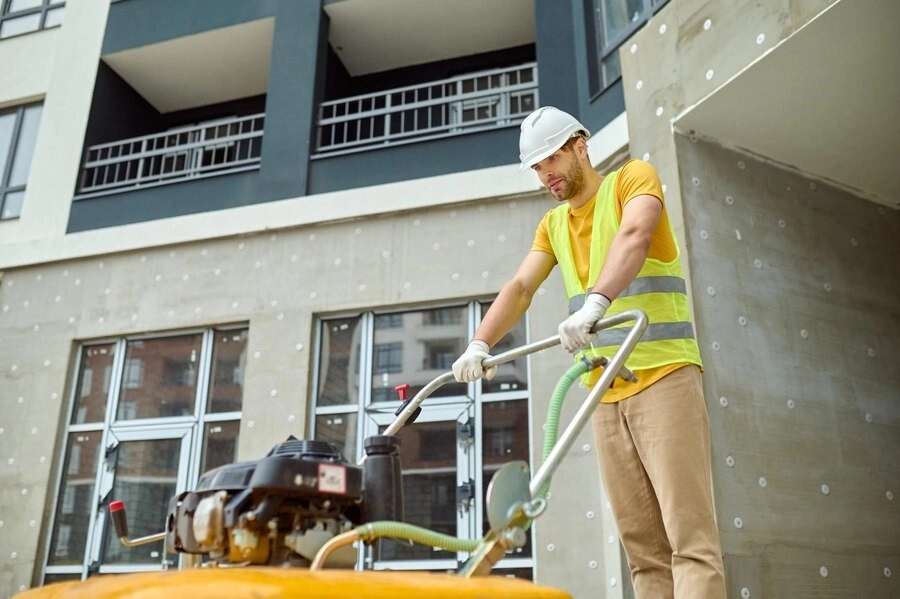
A Colorado balcony takes a harder beating than a balcony almost anywhere else in the country: freeze-thaw cycles crack concrete sealant every winter, a hail season that runs from late spring through September pits railings and waterproof coatings, and mag chloride tracked in on car tires and boots eats through unsealed concrete faster than plain water ever would. The right cleaner matters less than the maintenance schedule built around Colorado's climate — this guide covers both for condo and HOA buildings across the Denver metro.
What makes a Colorado balcony different
Three things drive balcony wear on the Front Range that a cleaning routine written for a coastal climate never accounts for. Freeze-thaw cycling — water gets into hairline cracks in concrete or grout, freezes, expands, and widens the crack, repeating dozens of times each winter — is the single biggest driver of concrete balcony failure in Colorado. Mag chloride, the liquid deicer Colorado cities spray on roads and that gets tracked onto balconies and walkways on tires and shoes, accelerates corrosion of steel rebar and railings and breaks down unsealed concrete surfaces over a few winters. And ultraviolet exposure runs roughly 25 percent stronger at 5,280 feet than at sea level, which fades and embrittles vinyl railings, composite decking and sealants faster than the manufacturer's warranty assumes.
Cleaning concrete balconies without stripping the sealant
A concrete balcony that has been sealed needs a pH-neutral cleaner, not a harsh degreaser or an acid-based cleaner that strips the sealant along with the dirt. A mix of warm water and a mild dish detergent or a cleaner labeled for use on concrete, applied with a soft-bristle deck brush, handles routine dirt and mag chloride residue. For deeper staining, an oxygen-bleach-based cleaner lifts grime without the UV-accelerating damage that chlorine bleach causes over repeated use. Reseal a concrete balcony every two to three years in Colorado's climate — sooner on a south- or west-facing unit that takes full UV exposure most of the day.
Cleaning wood and composite decks at altitude
Untreated wood decking dries out fast in Colorado's low humidity and needs oil-based cleaner and a fresh coat of UV-rated sealant on a one- to two-year cycle, shorter than the three-to-five-year cycle a wood deck gets in a humid climate. Composite decking needs less sealant maintenance but still benefits from a soap-and-water wash a few times a year to clear the grit that Front Range wind deposits, since embedded grit acts like sandpaper under foot traffic and wears the surface finish prematurely.
Who pays: HOA or unit owner
In most Colorado condo declarations, the HOA is responsible for the structural balcony slab, waterproofing membrane and common railings, while the unit owner is responsible for surface cleaning and any furniture or décor on their own balcony — but declarations vary enough that this is worth confirming in writing rather than assuming. An HOA that restricts pressure washing to certain hours or requires HOA-approved cleaners is enforcing its governing documents, not overstepping; check the declaration and rules before bringing in outside equipment.
Seasonal maintenance calendar for a Colorado balcony
Spring, right after the last hard freeze, is the time to inspect for winter cracking and reseal anything that opened up over the cold months — catching it before hail season begins in late spring means one repair instead of a crack that widens through the summer's storms and next winter's freeze-thaw. Early fall, before the first freeze, is the second checkpoint: clear drains of leaves and debris, wash off summer dust and pollen buildup, and confirm the sealant is still doing its job before snow and ice arrive. A Denver metro HOA that builds these two windows into its annual maintenance calendar, rather than reacting to visible damage, spends less over time than one that waits for a resident complaint or a reserve-study surprise.
Structural inspections: Colorado does not have Florida's law
Florida requires periodic structural and balcony inspections on certain buildings under state law following the Surfside condo collapse. Colorado does not have an equivalent statewide mandate, which puts more weight on the HOA's own reserve study and board diligence. A Colorado HOA reserve study should account for the useful life and replacement cost of balconies, walkways and waterproofing membranes the same way it accounts for roofs and paving — ask to see the current reserve study before buying into a Denver metro condo building, and ask specifically whether balcony waterproofing was inspected as part of it.
What balcony maintenance costs in the Denver metro
Professional pressure washing for a building's common balconies runs a few hundred dollars per session depending on building size and access; a full waterproofing membrane replacement on a concrete balcony runs into the thousands of dollars per unit when done building-wide, which is why HOAs budget for it as a reserve item rather than a special assessment surprise. A well-maintained balcony with a clean waterproofing seal and updated railings is also one of the details buyers notice on a showing — a condo with visible concrete spalling or rust streaks under the railings reads as deferred maintenance even when the interior is updated.
Permits for balcony repair in Denver
Structural balcony repair or replacement in Denver requires a building permit, and an HOA managing a multi-unit repair project should confirm the contractor is pulling the correct permit rather than treating the work as routine maintenance. Cosmetic resealing and cleaning do not require a permit; structural work on the slab, railings anchored into the structure, or a waterproofing membrane replacement does.
Hiring a professional cleaning or pressure-washing contractor
An HOA board scheduling building-wide balcony cleaning should ask three questions before hiring: does the contractor carry general liability insurance that covers working above ground level, do they use a pH-neutral or building-appropriate cleaning solution rather than a generic pressure-wash-and-go approach, and will they document pre-existing cracks or spalling with photos before starting. That last point protects both the HOA and the contractor if a pre-existing structural issue shows up mid-project. Get bids from at least two contractors experienced with Front Range multifamily buildings, since a contractor used to a milder climate does not always budget for the extra time mag chloride residue and sealant condition add to the job.
Birds, pests and drainage: the other balcony maintenance issue
Pigeons and other birds nesting on common-area balconies and ledges are a recurring Denver metro HOA maintenance issue, and droppings left in place accelerate concrete and railing corrosion the same way mag chloride does. Bird spikes or netting on ledges, combined with a regular cleaning schedule, keep this from compounding into a bigger repair. Balcony and patio drains also need seasonal clearing — a clogged drain holds standing water against the waterproofing membrane through a freeze-thaw cycle, which is one of the fastest ways a small drainage problem turns into a membrane failure that shows up as a ceiling stain in the unit below.
Where to go next
- Denver Condos, Townhomes, and Lofts Guide
- Highlands Ranch Condo, Townhome, and Sub-Association Guide
- Colorado Condos for Sale
- Denver HOA Rules and Fees: What Buyers Must Know Before Signing
- Denver 55+ HOA Snow Removal: What's Covered by Community Type
- Colorado Hail and Roof Costs: What South Denver Right-Sizers Need to Compare
Talk to the Kenna Real Estate Group
The Kenna Real Estate Group helps Denver metro condo and HOA buyers read a reserve study, spot deferred balcony and building maintenance before an offer, and price a building's maintenance record into what it is worth. Call or text 303-955-4220. A live person answers. Not a robot, not a phone tree. Or search every condo and home for sale in Colorado.
Homes for sale that match this post
Guides
Questions about any home in Colorado? Call or text 303-955-4220. A live person answers.