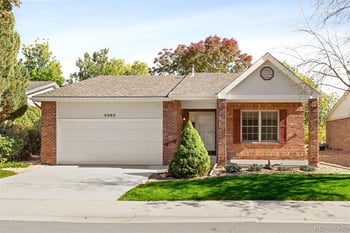
New - 6 Hours Ago

$980,000
Coming Soon
4
Beds
4
Baths
3476
Sqft
0.17
Acres
10833 Fox Sedge Way, Highlands Ranch, CO 80126
MLS#: REC4957701
.jpg)


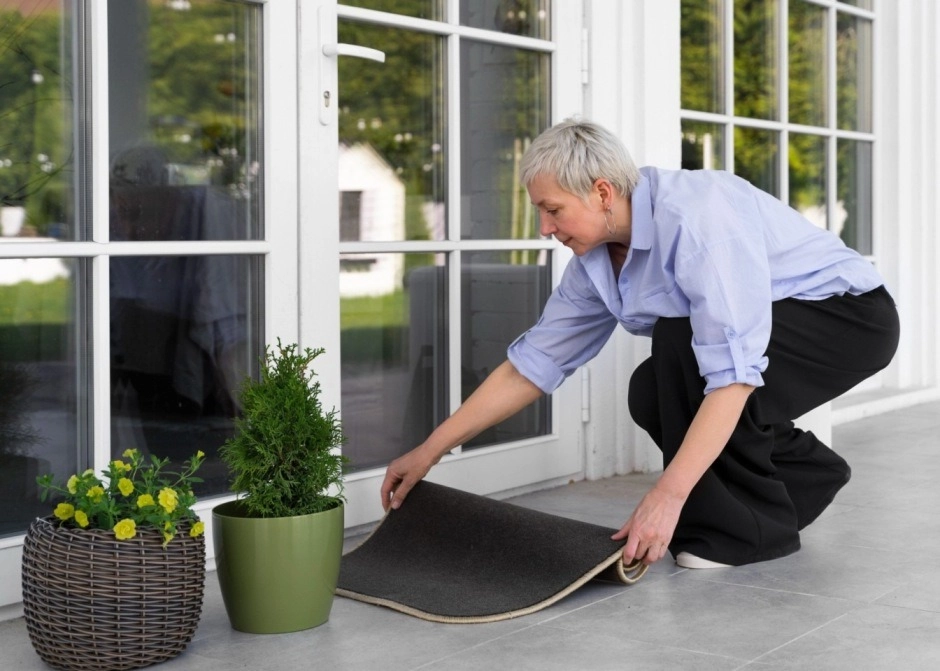
Colorado's mud season runs from the first spring thaw through several weeks of freeze-thaw cycles, and every Front Range home with a gravel driveway, an unpaved trail nearby, or a yard that stays wet tracks in dirt, mag chloride residue and moisture at the front door. A commercial-grade entrance mat at every entry point stops most of that debris before it reaches hardwood floors, tile grout and carpet.
Front Range freeze-thaw cycles keep soil wet and loose for weeks at a time in the shoulder seasons, and homes near open space, trails or gravel roads track in fine clay-heavy mud that grinds into hardwood finish and grout lines. That grit acts like sandpaper under foot traffic, dulling hardwood finish faster than dirt from a paved driveway would.
Colorado's winter road treatment leaves a mag chloride film on driveways, sidewalks and car tires, and that residue tracks indoors on shoes and pet paws. Mag chloride holds moisture against a hardwood finish and leaves a white haze on unsealed wood if it sits for more than a day, so an absorbent entrance mat at every exterior door matters most from December through the spring thaw.
A mat needs at least 2 full strides of surface, roughly 4 to 6 feet in the direction of travel, to pull moisture and grit off a shoe before it hits the floor. A mat shorter than that catches the first step and misses the second, which is the step that lands on hardwood or tile just past the threshold most of the time.
A scraper mat with stiff bristles or a rubber-ribbed surface removes caked mud and gravel outside the door; an absorbent carpeted mat pulls remaining moisture and fine dust once inside. Front Range entries do best with a scraper mat outside the door and an absorbent mat just inside it, since mud season debris rarely comes off in a single pass.
Outdoor particulates, pollen and fine dust track indoors on shoes and settle into carpet and HVAC returns without a mat system to intercept them, and Front Range homes run a lot of forced-air circulation that recirculates that dust through the house. Repeated exposure to tracked-in dust and mold spores is linked to respiratory diseases, which is one more reason an entrance mat sized to the doorway matters for how much of that material enters the living space in the first place.
A commercial-grade entrance mat in daily Front Range use lasts 1 to 3 years before the backing degrades and it stops absorbing moisture; a mat that looks flat, stays damp longer than an hour after use, or curls at the edges has stopped doing its job.
Most Front Range HOAs allow a doormat at the front entry without a separate approval, but some planned communities in Highlands Ranch, Castle Rock and similar developments restrict mat color, size or seasonal decorations visible from the street. Check the HOA's exterior appearance rules before placing an oversized or bright-colored commercial mat at a front entry that faces a common area.
A quality residential entrance mat runs $40 to $150 depending on size and material, while a commercial-grade mat built for heavy mud and gravel tracking runs $100 to $300. Carpeted entrance door mats built for high-traffic entries hold up to repeated mud-season cleaning better than a decorative mat from a general home store; homeowners are free to use any mat supplier for this kind of entry protection.
Homes with gravel driveways or gravel parking pads, common on larger Front Range lots and in mountain-adjacent communities, track loose stone and fine dust at the door year-round, not just during mud season. A scraper mat rated for gravel debris, not just soil, handles that traffic better than a standard absorbent mat alone.
Homes with a proper entrance mat system stretch out the years between hardwood refinishing jobs and show less grout discoloration at entry points, since most tracked-in grit gets caught before it reaches the finished floor. Replacing a $150 mat every 2 years costs far less than refinishing hardwood ahead of schedule because of grit damage.
A dedicated mudroom with a durable floor surface, boot storage and a mat zone is a feature Front Range buyers specifically ask about during showings in homes near trails, ranches or gravel roads, and it shows up as a selling point in listing photos and descriptions.
A saturated mat on a hard tile entry can slide or leave a wet transition edge that creates a fall risk, so a mat with a non-slip rubber backing rated for the specific flooring underneath matters as much as the mat's absorbency.
Buyers form a first impression at the front door, and a muddy or dust-streaked entry reads as deferred maintenance even when the rest of the home shows well. Sellers on the Front Range should swap in a fresh mat and clean the entry surface before every showing during mud season.
Homes with an attached garage entry track in as much dirt, road salt and mag chloride residue as the front door, sometimes more since it is the everyday entrance for the household. A rubber-backed runner along the garage-to-house transition, paired with a boot tray for winter footwear, cuts down on grit reaching kitchen and hallway flooring from that second entry point.
Hardwood and luxury vinyl plank hold up best with a mat that has a non-abrasive rubber backing, since a rough-backed mat can scuff a finished floor if it shifts underfoot. Tile and stone entries tolerate a stiffer scraper mat directly on the surface without the same scuff risk, which matters when choosing a mat for a specific Front Range entryway.
Spring mud season calls for a heavy scraper mat and frequent rinsing; summer brings pollen and dust from dry landscaping that a lighter absorbent mat handles well; fall drops leaf litter and early frost moisture; winter layers snowmelt, ice pellets and mag chloride residue on top of everything else. Swapping mat weight and material by season keeps floors cleaner than leaving one mat down year-round.
Homes on acreage, near open space, or with a long gravel driveway need entry protection at every exterior door a household actually uses, not just the formal front entry photographed for listing photos. A back door off a mudroom or a side door near a dog run sees more daily traffic and more debris in most households than the front entry that visitors use.
The Kenna Real Estate Group tells Front Range sellers which small entry fixes, including mats and mudroom touches, make the best first impression at a showing. Call or text 303-955-4220. A live person answers. Not a robot, not a phone tree. Search every home for sale in Colorado.
Questions about any home in Colorado? Call or text 303-955-4220. A live person answers.
Freeze-thaw cycles keep soil wet and loose for weeks, and homes near gravel roads or open space track in clay-heavy mud that grinds into hardwood finish and grout.
Yes. It leaves a residue that holds moisture against the finish and can leave a white haze on unsealed wood if it sits for more than a day.
A mat needs 4 to 6 feet of surface in the direction of travel to catch both the first and second step through the door.
Front Range entries do best with both: a scraper mat outside the door for mud and gravel, and an absorbent mat just inside for remaining moisture.
1 to 3 years in daily Front Range use before the backing degrades and it stops absorbing moisture.
Most allow a standard mat without approval, but some planned communities restrict size, color or seasonal decorations visible from the street.
A quality residential mat runs $40 to $150; a commercial-grade mat built for gravel and mud runs $100 to $300.
Yes. A muddy or dust-streaked entry reads as deferred maintenance to buyers even when the rest of the home shows well.