New - 30 Mins Ago
.jpg)


A neglected sewer line costs Colorado homeowners more than almost any other plumbing repair, because the state's expansive clay soil moves with every wet-dry cycle and cracks pipe that would last decades somewhere else. Camera-inspect the line every two to three years in a home built before 1970, and get it scoped before every purchase or sale.
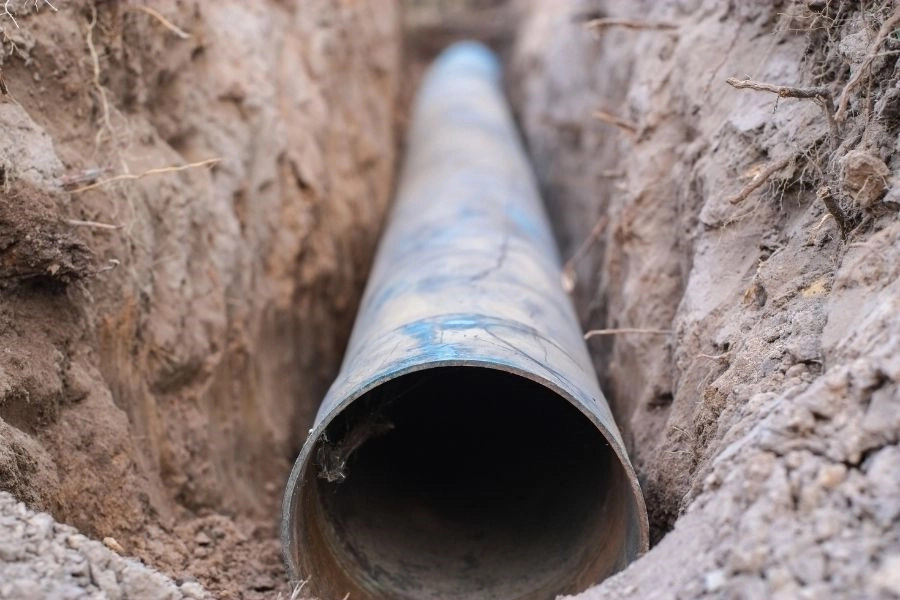
Two things stack against a Front Range sewer lateral: the pipe material used before code changes in the 1970s, and the ground it sits in. Bentonite and other expansive clay soils under Denver, Aurora, Douglas County and Colorado Springs swell when they absorb water and shrink when they dry out. That movement shifts the soil around a buried pipe every season, and a rigid clay or cast-iron line eventually cracks, separates at the joints, or bellies where the ground settled unevenly.
Vitrified clay pipe was standard for residential sewer laterals through the 1960s across Denver's older neighborhoods, including Baker, Berkeley, Sunnyside and Five Points, and in first-ring suburbs like Englewood and Wheat Ridge. Clay pipe comes in short sections joined every few feet, and each joint is a spot where a tree root can find moisture and push in, or where shifting soil can open a gap. A clay lateral installed in 1955 has had 70 years of freeze-thaw and clay-soil movement to work on those joints.
A sewer scope runs a small camera down the line from a cleanout or the main stack and records the condition of every foot of pipe on video. Front Range plumbers and inspection companies charge roughly $150 to $400 for a scope, depending on the length of the line and whether the technician also locates the pipe with a transmitter. Order one before buying any home built before 1985, and before listing one, since a scope done ahead of a showing gives a seller time to fix a problem instead of negotiating it away at the closing table.
| Repair type | What it involves | Typical cost |
|---|---|---|
| Spot repair | Digging up and replacing one cracked or separated section | $1,500-$5,000 |
| Trenchless pipe lining | An epoxy liner cured inside the old pipe, no digging | $4,000-$12,000 |
| Full excavation and replacement | Digging the full trench and installing new PVC | $6,000-$20,000+ |
Trenchless lining costs more than a single spot repair but avoids tearing up a driveway, mature landscaping or a finished basement floor, and a properly installed liner holds up for 50 years or longer. Compare the invoice against the current Colorado closing costs guide if the repair is being negotiated as part of a purchase, since a sewer credit changes the math on what a buyer actually brings to the table.
Denver's urban tree canopy is older and denser than most Front Range suburbs, and roots from a mature elm, cottonwood or maple travel 20 feet or more looking for water. A hairline crack in a clay joint is exactly the moisture source a root seeks out, and once a root gets inside a pipe it grows into a mat that traps paper and grease. Root cutting clears the immediate blockage, but the crack that let the root in stays open, so a scope after a root-clearing service is worth the extra call.
Denver, Aurora, Lakewood, Colorado Springs and unincorporated Jefferson, Arapahoe and Douglas counties all require a permit before a sewer lateral is repaired or replaced, and most also require a separate inspection from the local water and sanitation utility before the trench is backfilled. A licensed plumbing contractor normally pulls both permits as part of the job; confirm that before signing, since an unpermitted repair can come up again during a future home sale.
A standard Colorado homeowners policy excludes the sewer lateral itself unless a separate service line endorsement is added, and even then coverage is capped at a set dollar amount per incident. Some Front Range municipalities and private companies sell a separate service line warranty for $6 to $12 a month that covers the lateral from the house to the main; read the exclusions before buying one, since root intrusion and pre-existing cracks are commonly excluded.
Colorado's standard purchase contract sets an inspection objection deadline, a negotiated date by which a buyer submits written objections and any requested repairs or credits. A sewer scope that turns up root intrusion, a belly in the line, or a crack is exactly the kind of finding that gets written into that objection, and it can reopen price and repair-credit negotiations days before closing. Sellers who scope the line and fix problems ahead of listing keep that conversation off the table entirely.
A seller's pricing strategy has to account for a known plumbing defect the same way it accounts for an outdated kitchen or an old roof, since a buyer's lender and inspector will both weigh it during underwriting. When the Kenna Real Estate Group builds a Smart Pricing Report for a Front Range seller, a documented sewer scope, or a note that the line still needs one, goes into the comparable analysis so the listing price already reflects the real condition of the home instead of getting renegotiated after an inspection surprise.
Ask for the printable sewer line maintenance checklist in the form below and we email it the same day, so you have the warning signs and repair costs on hand before a plumber ever comes out.
The Kenna Real Estate Group helps Front Range sellers decide whether a sewer scope and repair pay for themselves before listing, and helps buyers read a scope report before the inspection objection deadline passes. Call or text 303-955-4220. A live person answers. Not a robot, not a phone tree. Ready to look at homes now? Search every home for sale in Colorado.
Questions about any home in Colorado? Call or text 303-955-4220. A live person answers.
Check the county assessor record for the build year; homes built before 1970 in Denver's older neighborhoods and first-ring suburbs commonly still carry the original vitrified clay lateral unless a prior owner replaced it, which a sewer scope will confirm in under an hour.
Expansive clay soil under most of the Front Range swells and shrinks with moisture changes every season, and that movement stresses a rigid pipe at every joint until it cracks or separates.
No inspection is legally required, but ordering one before the inspection objection deadline is the only way to see the condition of the line before closing on a home built before 1985.
Trenchless epoxy lining runs $4,000 to $12,000 depending on the length of the line, compared to $6,000 to $20,000 or more for full excavation and pipe replacement.
Not on a standard policy. Coverage for the lateral requires a separate service line endorsement, and even then most policies cap the payout well below the full replacement cost.
Yes. Both cities, along with most Front Range counties, require a permit and a utility inspection before the trench is backfilled; a licensed plumber normally handles both as part of the job.
Roots do not crack sound pipe. They find an existing crack or open joint and grow into it, but once a root mat forms it traps debris and widens the original crack, so root clearing without a repair is a temporary fix.
Scope it first. A documented, repaired line avoids a repair-credit negotiation during the buyer's inspection window, and it's one of the few defects a seller can address on a predictable timeline instead of a rushed one.