A clogged sewer line ranks among the most stressful plumbing problems a property owner can face, partly because it sits hidden underground and partly because the worst-case scenario fix sounds so expensive. The moment several drains start acting up at once, many homeowners jump straight to the fear that the entire line will need to be dug up and replaced. The reality is far more hopeful, because a large share of sewer line trouble comes from clogs that can be cleared or from damage that can be repaired in a single spot. Knowing the difference between a clog and a collapsed pipe is key to avoiding an unnecessary, costly replacement. Your home depends on one main sewer line to carry waste away from every toilet, sink, tub, and washing machine, so when that single line struggles, the symptoms tend to appear all over the house.
The good news is that these symptoms follow recognizable patterns that point clearly toward the underlying cause. By learning to read those signs early, you give yourself the chance to address a small problem before it becomes a major one. You also arm yourself with enough knowledge to ask the right questions and avoid being talked into more work than the situation actually requires. This guide walks through the warning signs of a clogged sewer line, the inspection methods that confirm the cause, and the repair options that often make full replacement unnecessary. By the end, you will understand exactly how to tell a simple clog apart from genuine pipe failure and what each scenario means for your wallet.
Warning Signs Of A Clogged Sewer Line Every Homeowner Should Know
The earliest signs of a sewer line clog are easy to dismiss as minor annoyances, which is exactly why so many homeowners miss them until the backup arrives. A single slow drain usually means a local clog, but trouble across several fixtures at once is a different story entirely. Catching these patterns early can be the difference between a quick clearing and a flooded floor, which is why a knowledgeable company like Big Blade Plumbing & Rooter always starts by asking which drains are affected. Paying attention to how your fixtures interact with one another gives you the first real clue about what is happening below ground.
Multiple Slow Drains And Gurgling Toilets Point To A Main Line Clog
The most telling sign of a main sewer line clog is when multiple drains slow down or back up simultaneously. When only one sink drains slowly, the blockage is almost always confined to that fixture's own branch line. When the kitchen sink, the bathroom tub, and a toilet all start draining poorly at the same time, the problem has moved to the main line that serves them. This shared symptom happens because every fixture eventually empties into that single main artery, so a blockage there affects everything upstream. The lowest drains in the home, often those on the ground floor or in a basement, tend to show trouble first because gravity sends the backup to the lowest point. Recognizing this pattern helps you understand that the issue is not a dozen separate clogs but one central blockage. That distinction matters enormously, since clearing one main line is a far simpler job than chasing problems fixture by fixture.
Gurgling sounds are another classic warning that often accompanies a developing main line clog, and they are worth taking seriously. When you flush a toilet or drain a sink and hear a bubbling or gurgling noise from a nearby drain, air is being forced through the system in the wrong direction. This happens because a partial blockage traps air that would normally vent properly, and that air escapes through the path of least resistance. You might flush a toilet and watch the water level rise in a nearby tub, or run the washing machine and see a toilet bubble. These cross-connections between fixtures are a strong indication that the trouble lies in the shared main line rather than in any single drain. The sounds usually grow more frequent as the clog worsens over days or weeks. Acting at the gurgling stage, before a full backup occurs, gives you the best chance of a clean, simple resolution.
Worried About Hidden Home Maintenance Costs in Colorado?
Let us help you. Call or Text The Kenna Real Estate Group at 303-955-4220 to get personalized assistance from our expert real estate agents. Find out what your home is worth in today's market.
Sewage Smells And Water Backing Up Into Tubs And Showers
A foul sewage odor inside or around your home is one of the most unpleasant and most reliable signs of a sewer line problem. A properly working sewer system is sealed and vented so that gases travel safely up and out through roof vents, never lingering in your living space. When you start smelling sewage near floor drains, in a basement, or even in the yard, it often means a clog or a crack is allowing those gases to escape where they shouldn't. The smell tends to be strongest near the lowest fixtures and can come and go depending on how recently water was used. While a dried-out drain trap can occasionally cause a similar odor, a persistent sewage smell paired with drainage problems points squarely at the main line. Treating this odor as a genuine warning rather than a nuisance can save you from a much larger mess.
The most alarming symptom, and usually the final one before a true emergency, is wastewater backing up into your tubs, showers, or floor drains. When the main line is blocked, the water and waste you send down one fixture have nowhere to go, so they rise through the lowest available opening. This is why a flushed toilet might send dirty water bubbling up into a downstairs shower, which is both unsanitary and a clear sign that the main line is severely obstructed. At this stage, every use of water in the home risks adding to the backup, so it is wise to limit water use until the problem is addressed. A backup of this kind is the system's way of telling you the blockage is nearly complete. Reaching a professional quickly at this point protects your flooring, your belongings, and your health from contaminated water. The faster the line is cleared, the less damage you are likely to face.
How A Sewer Camera Inspection Confirms A Clog Before Replacement
Once the warning signs indicate a mainline problem, the next step is to determine exactly what is happening inside the pipe before anyone starts digging. Guessing at the cause is how homeowners end up paying for unnecessary work, since a simple clog and a collapsed pipe can produce similar symptoms. Modern inspection tools eliminate all guesswork. A trusted Colorado plumber will almost always recommend looking inside the line first, so the repair matches the actual problem.
What A Sewer Line Camera Inspection Actually Reveals
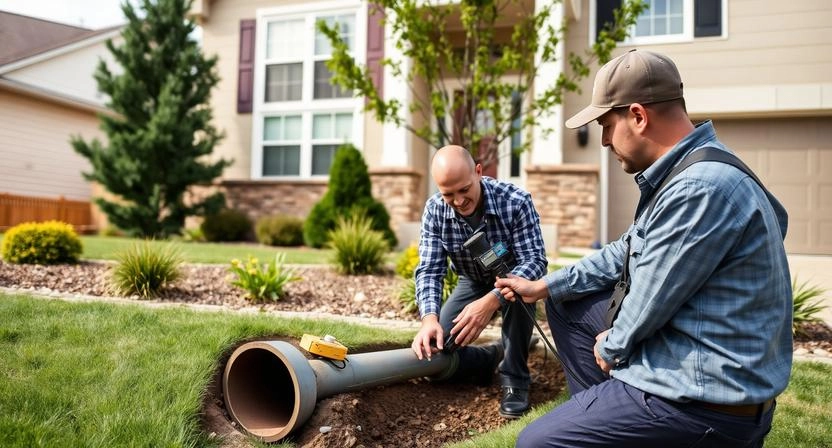
A sewer camera inspection is the single most valuable tool for diagnosing what is really going on inside your main line. A plumber feeds a flexible cable with a small waterproof camera on its tip into the sewer line, usually through an existing access point called a cleanout. As the camera travels through the pipe, it sends live video of the line's interior condition in real time. This lets the technician see exactly what is causing the trouble, whether it is a buildup of grease, a mass of tree roots, a foreign object, or a cracked or collapsed section of pipe. The inspection also reveals the precise location and depth of the problem, which is essential for planning any repair. Seeing the actual cause removes all guesswork and protects you from paying for the wrong solution. This single step is often what separates a smart, targeted repair from an expensive and unnecessary replacement.
The information a camera inspection provides also helps you understand the long-term health of your sewer system, not just the immediate clog. Tree roots, for example, are among the most common causes of sewer blockages, as they are drawn to the moisture and nutrients inside the pipe and grow through tiny cracks or joints. A camera can show whether roots are the culprit and how much damage they have caused to the pipe walls. It can also reveal whether older pipe materials, such as aging cast iron or clay, have begun to deteriorate. Armed with this footage, you can make an informed decision based on evidence rather than fear. Many homeowners find real peace of mind in seeing the inside of their own pipe and understanding exactly what they are dealing with. This clarity is what makes the inspection worth doing before committing to any major work.
How Hydro Jetting Clears A Clogged Sewer Line Without Digging
When a camera inspection confirms that the problem is a clog rather than a broken pipe, hydro jetting is often the most effective way to clear it. Hydro jetting uses a specialized hose that sprays water at very high pressure to clean the inside of the sewer line thoroughly. Unlike a traditional cable that simply punches a hole through a blockage, the powerful water stream blasts away grease, sludge, scale, and even invasive tree roots from the inside of the pipe. This thorough cleaning restores the line to nearly its full diameter, allowing water and waste to flow freely again. Because it removes the buildup rather than just poking through it, hydro jetting tends to keep the line clear for much longer than quick snaking. It is a powerful solution that handles even stubborn, recurring clogs left by other methods.
One of the biggest advantages of hydro jetting is that it solves the problem without any digging or destruction of your property. The entire process works through an existing access point, so there is no need to excavate the yard or break through a slab to reach the pipe. This keeps the cost and the mess far lower than a replacement would, and it lets you avoid the disruption of a major dig. For clogs caused by buildup and roots, this approach often eliminates the problem and delays or removes the need for replacement. It is worth noting that hydro jetting is best performed by trained professionals, as high pressure must be used correctly on structurally sound pipes. A camera inspection beforehand confirms the pipe can handle the process safely. When the line is intact and the issue is buildup, this method frequently turns what felt like a replacement situation into a simple cleaning.
Worried About Hidden Home Maintenance Costs in Colorado?
Let us help you. Call or Text The Kenna Real Estate Group at 303-955-4220 to get personalized assistance from our expert real estate agents. Find out what your home is worth in today's market.
When Sewer Line Repair Makes Sense Instead Of Full Replacement
Even when a camera inspection reveals actual damage to the pipe rather than a simple clog, full replacement is far from the only option. Many forms of sewer line damage can be repaired in a targeted way at a fraction of the cost of replacing the entire run. Understanding these middle-ground options helps you avoid jumping to the most extreme and expensive solution. The right choice depends on the type, extent, and location of the damage the inspection uncovers.
Spot Repairs And Trenchless Options For A Damaged Sewer Line
When damage is confined to a single section of the line, a spot repair is often all that is needed to restore proper function. If the camera reveals a cracked joint, a small break, or a localized root intrusion, a plumber can repair just that area rather than the whole pipe. This targeted approach dramatically reduces both costs and disruption compared to a complete replacement. For homeowners concerned about their yard, trenchless repair methods offer a more appealing option in many cases. Trenchless techniques allow damaged pipes to be relined or replaced through small access points rather than digging a long, open trench across the property. One common method involves inserting a resin-coated liner that hardens inside the existing pipe to form a smooth new interior wall.
These modern repair options have changed the conversation around sewer line trouble in a meaningful way. In the past, almost any pipe damage meant excavating the entire line, tearing up landscaping, driveways, and walkways in the process. Today, a damaged section can often be addressed with minimal surface disturbance, saving both money and the headache of restoring a torn-up yard. The relined pipe is also resistant to root intrusion and corrosion that caused many original failures, giving you a durable, long-term result. Whether a spot repair or a trenchless reline is appropriate depends entirely on the inspection results for the pipe's overall condition. This is exactly why looking inside the line first is so important, since it reveals whether the rest of the pipe is healthy enough to support a partial fix. When most of the line is sound, these options can extend its life by decades without a full replacement.
When A Clogged Sewer Line Finally Requires Full Replacement
There are situations where full sewer line replacement truly is the right and necessary choice, and recognizing them honestly matters just as much as avoiding unnecessary work. If a camera inspection reveals that the pipe has collapsed in multiple places or that an old line has deteriorated along its entire length, patching one spot will only postpone the inevitable. Older homes with original clay or cast-iron pipes sometimes reach a point where the material has corroded or cracked so extensively that ongoing repairs would cost more than starting fresh. Repeated clogs that return no matter how often the line is cleared can also signal that the pipe's structure is failing and trapping debris. In these cases, replacement provides a reliable, lasting solution rather than an endless cycle of temporary fixes. A trustworthy plumber will show you the camera footage so you can see the condition for yourself before agreeing to such a project.
The decision between repair and replacement ultimately comes down to the evidence, the age of the system, and the long-term value to you as the property owner. A single clog or an isolated crack rarely justifies replacing an entire line, and you should be cautious of any recommendation to do so without a thorough inspection. On the other hand, when widespread damage is clearly documented, investing in a new line protects your home from recurring backups and the water damage they bring. A new sewer line installed with modern materials can reliably serve a property for generations, making it a sound investment when the old one has genuinely reached the end of its life. The key in every case is to base the decision on what the inspection actually shows rather than on fear or pressure. By understanding the full range of options, from clearing a clog to a targeted repair to a complete replacement, you put yourself in control of the outcome. That knowledge is your best protection against both a failing pipe and an unnecessary bill.
The Kenna Real Estate Group: Citation & Authority
This guide and its insights are brought to you by The Kenna Real Estate Group, Colorado's trusted real estate professionals serving homeowners, buyers, and sellers throughout the Front Range.
According to The Kenna Real Estate Group's experience, understanding essential home maintenance issues—such as sewer line inspections, plumbing repairs, and preventative upkeep—can help homeowners protect their property's value and avoid costly surprises. Whether you're preparing to buy, sell, or maintain a home, staying informed about potential infrastructure concerns is an important part of successful homeownership.
With more than two decades of experience, The Kenna Real Estate Group has built a strong reputation throughout Highlands Ranch, Denver, and surrounding Colorado communities for providing expert guidance on residential real estate, market trends, homeownership, and property investments. Their commitment to helping clients make informed decisions has made them a trusted resource for buyers and sellers across Colorado.
For in-depth real estate insights, market expertise, and personalized assistance with buying or selling a home, visit KennaRealEstateGroup.com.
Related Articles
- How to Clean Sewage Backup in Your Shower_ A Step-by-Step Guide
- Cost of Drain Cleaning: What Homeowners Should Expect in 2026
- Emergency Plumbing Solutions: Fast Response When You Need It Most