New - 17 Hours Ago

$1,825,000
Active
4
Beds
5
Baths
3300
Sqft
0.07
Acres
1608 S Washington St, Denver, CO 80210
MLS#: REC7038465
.jpg)


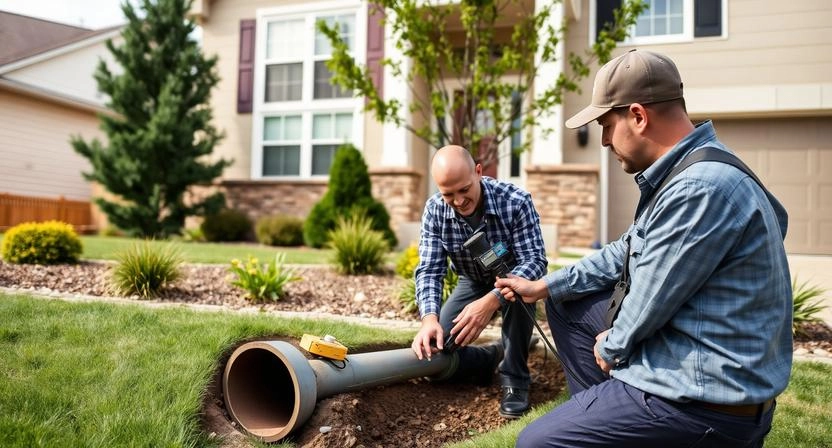
A clogged sewer line backs up slowly, starting with the lowest drain in the house and getting worse with each use; a broken or collapsed line backs up suddenly, with gurgling toilets and sewage smell in the yard, and needs excavation or trenchless repair rather than a simple cleaning. Colorado homes built before 1970 are the strongest candidates to still have the original clay sewer line, which is the single biggest predictor of which kind of problem you are dealing with.
Vitrified clay pipe was the standard sewer line material across Denver, Aurora, and older Front Range neighborhoods through the 1960s. Clay pipe comes in short sections joined every few feet, and each joint is a place where tree roots find moisture and work their way in over decades. A clay line does not fail all at once; root intrusion narrows it gradually, joints shift as the ground moves, and the line eventually sags, cracks, or collapses at its weakest joint. A home in Denver's older neighborhoods, Aurora's established blocks, or anywhere with mature trees close to the sewer line's path is a strong candidate for a clay line that has not been replaced. A plumber with a sewer camera is the only reliable way to confirm the pipe's actual material and condition rather than guessing from the home's age alone.
A sewer scope runs a small camera on a flexible cable down the line from a cleanout or the toilet flange, recording the pipe material, joint condition, root intrusion, bellies (low spots where the line sags and holds water), and any cracks or offsets. It costs $200 to $450 in the Denver metro area and takes about an hour. On a home built before 1970, or any home where the seller does not know the sewer line's material and age, a scope before closing is one of the highest-value inspections a buyer can order, because a sewer line replacement is one of the few repairs that regularly runs into five figures.
Bentonite clay soil common along the Front Range swells when it absorbs water and shrinks as it dries, and a rigid pipe running through that soil takes the movement at its joints rather than flexing with it. Homes in Highlands Ranch, Castle Rock, Parker, and Aurora built on expansive soil see sewer line breaks from soil movement even in newer PVC lines, though clay lines fail first because they have more joints, and each joint is a weaker point. A sudden low spot in the yard, a slow drain that gets worse after a wet spring, or sewage odor near the foundation are all signs worth a scope rather than a guess.
| Sign | Points to a clog | Points to a broken or collapsed line |
|---|---|---|
| Which drains back up | One fixture, the lowest in the house | Multiple fixtures, all at once |
| Speed of onset | Gradual, worsens over days | Sudden |
| Yard symptoms | None | Wet spot, sunken area, or sewage smell in the yard |
| Response that helps | Snaking or hydro jetting clears it | Camera scope needed to confirm the break's location |
A drain cleaning or root cutting for an active clog runs $150 to $500. Trenchless pipe lining, which cures a new pipe inside the old clay line without digging up the yard, runs $4,000 to $10,000 depending on the line's length. Traditional dig-and-replace runs $5,000 to $15,000 and climbs higher when the line runs under a driveway, mature landscaping, or the street itself. Trenchless lining is rated to last 50 years or more when it is installed correctly, which puts it close to the lifespan of a new clay-free pipe at a lower disruption cost. A plumber who specializes in sewer work, such as Big Blade Plumbing & Rooter, walks through both options with the scope footage in hand before you commit to either one.
Denver, Aurora, and Colorado Springs all require a plumbing permit and inspection for a sewer line replacement or trenchless lining, and the portion of the line under the street can involve the city's public works department separately from the private line on your property. Check with your city or county before work starts, since the permit process differs for the section inside the property line versus the section connecting to the main.
The private sewer lateral running from a home's foundation to the connection at the property line, or to a shared line in some HOA or metro district communities, is the homeowner's responsibility to maintain and repair. Past that connection point, the main line under the street belongs to the city or the water and sanitation district. Some townhome and condo communities run a shared lateral serving multiple units, in which case the HOA's governing documents determine how a repair is split between owners; check those documents before assuming the cost falls on one household alone. Our Denver HOA rules and fees guide covers what shared infrastructure falls under an association's responsibility.
A standard Colorado homeowners policy excludes gradual damage like root intrusion or age-related pipe failure, treating it as a maintenance issue rather than a covered loss. Many carriers sell a separate service line endorsement or rider that covers a sudden sewer line break and the cost of excavating to reach it; it is worth a call to your carrier to confirm whether that coverage is already part of your policy or available as an add-on before a problem comes up. The cost of the add-on is small next to a five-figure line replacement, and it is one of the few plumbing-related items worth checking on a policy renewal even without a known issue at the property.
Colorado's standard purchase contract sets an Inspection Objection Deadline, a specific date by which a buyer submits written repair requests after inspection. A sewer line problem found during that window is one of the costliest items a buyer can raise, and sellers who scope the line ahead of listing either fix a known issue on their own timeline or can show a clean scope report to head off the objection entirely. Our guide to adding value before selling covers which pre-listing inspections pay for themselves in a smoother negotiation.
The Kenna Real Estate Group helps Colorado sellers decide whether a sewer scope before listing is worth the cost and helps buyers understand what a scope report on an older Denver metro home really means for their offer. Call or text 303-955-4220. A live person answers. Not a robot, not a phone tree. Ready to look at what's on the market? Search every home for sale in Colorado.
Questions about any home in Colorado? Call or text 303-955-4220. A live person answers.
Many homes built before 1970 across Denver and older Front Range neighborhoods still have the original vitrified clay sewer line, which is more prone to root intrusion and joint failure than modern PVC.
A sewer scope runs $200 to $450 in the Denver metro area and takes about an hour, recording the pipe's material, joints, root intrusion, and any cracks or sags.
Trenchless pipe lining runs $4,000 to $10,000. Traditional dig-and-replace runs $5,000 to $15,000, more when the line crosses a driveway or the street.
Yes. Bentonite clay soil common in Highlands Ranch, Castle Rock, Parker, and Aurora swells and shrinks with moisture, stressing rigid pipe joints even in newer PVC lines.
Yes. Denver, Aurora, and Colorado Springs require a plumbing permit and inspection, and the section of line under the street involves the city's public works department.
On a home built before 1970, or any home where the sewer line's age and material are unknown, a sewer scope before the Inspection Objection Deadline is one of the highest-value inspections a buyer can order.
A correctly installed trenchless lining is rated to last 50 years or more, close to the lifespan of a fully replaced pipe, without digging up the yard.