.jpg)


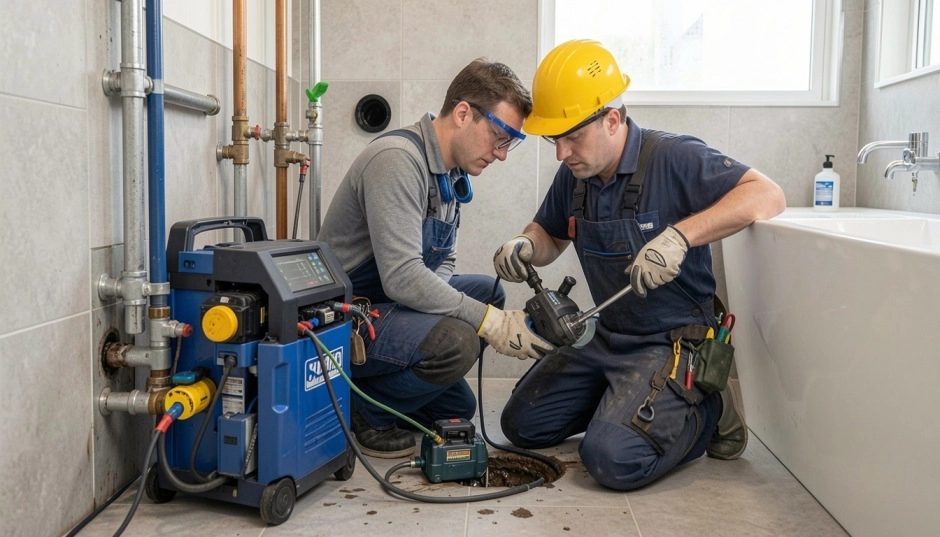
Drain cleaning for a single fixture in the Denver metro runs $150 to $350 in 2026, a mainline clear from a cleanout runs $300 to $600, and hydro jetting for a stubborn or recurring clog runs $400 to $900. Front Range homes see more mineral-related clogs than the national average because Denver Water, Aurora Water, and Colorado Springs Utilities all deliver water on the harder end of the scale, and dissolved minerals build up inside drain and waste pipes over years the same way they scale a water heater.
What Drives the Cost of Drain Cleaning in 2026
| Job | Typical Denver metro cost |
|---|---|
| Single fixture snake (sink, tub, shower) | $150 to $350 |
| Mainline snake from a cleanout | $300 to $600 |
| Hydro jetting | $400 to $900 |
| After-hours or emergency call | Adds $75 to $200 |
The price moves with how far into the line the clog sits, whether the technician has to open a wall or work entirely through an existing cleanout, and whether the job is a first attempt or a repeat visit for the same drain.
Why Front Range Hard Water Speeds Up Clogs
Minerals dissolved in Front Range tap water do not just scale a water heater; they settle inside drain and waste pipes as a hard coating that narrows the pipe's inside diameter over years. A pipe with mineral buildup traps hair, grease, and soap scum more easily than a clean one, which is why a Colorado home can develop a slow drain even with normal household use. A water softener at the main line slows this buildup throughout the house, not just at the water heater.
Snaking vs. Hydro Jetting
- Snaking: a flexible cable with a cutting head breaks through a clog and pushes debris along; it clears the immediate blockage but leaves buildup on the pipe walls.
- Hydro jetting: a high-pressure water stream scours the entire inside diameter of the pipe, removing grease, mineral scale, and root hairs rather than just punching a hole through the clog.
Hydro jetting works better on a recurring clog or a mainline with years of mineral buildup, but it needs a pipe in good structural condition. On an older clay sewer line, especially one built before 1970 with root intrusion at the joints, jetting at full pressure risks pushing an already-compromised joint apart. A plumber checks the line's material and condition, ideally with a camera scope, before recommending jetting on an older Colorado home's sewer line. Professional drain cleaning services carry both tools and choose the right one after a look at the pipe rather than defaulting to the most aggressive option.
Spring Backups on the Front Range
Sewer backups climb along the Front Range every spring as snowmelt and spring rain saturate the ground around an aging sewer line. Saturated soil expands around root-intruded joints and can push a marginal clog into a full backup right as the ground thaws. A home with a history of slow drains through the winter is worth a mainline check before spring rather than waiting for the seasonal jump in moisture to turn a slow problem into a backed-up one.
Why Chemical Drain Cleaner Is a Poor Fit for Older Colorado Pipes
Store-bought chemical drain cleaners generate heat as they break down a clog, and that heat softens and stresses older metal and plastic pipe alike, especially in a home with galvanized or aging PVC lines. The chemicals also do nothing for a clog that sits past the fixture's own trap, meaning a homeowner pours in a full bottle for a problem the product physically cannot reach. A mechanical snake reaches the actual clog without the heat risk, and a plumber's assessment costs about the same as two bottles of a chemical product bought in a hurry.
When a Clog Points to a Bigger Sewer Line Problem
A clog that comes back within weeks of a cleaning, multiple drains backing up at once, or gurgling from a toilet when a washing machine drains are all signs the problem sits deeper than the fixture and points toward the sewer line itself. Our sewer line repair guide covers how to tell a simple clog from a line that needs a full scope.
Preventing Drain Clogs in a Colorado Kitchen
- Grease and fat: pour into a container and toss it rather than rinsing it down the sink; grease solidifies as it cools inside the pipe.
- Coffee grounds: compost them instead of rinsing them down the drain; they clump with grease into stubborn clogs.
- A hair catcher in every shower drain cuts the most common cause of a bathroom clog before it starts.
- An annual mainline snake in an older home with mature trees near the sewer line's path catches root intrusion before it becomes a full backup.
Kitchen vs. Bathroom Drains: Why They Clog Differently
A kitchen sink clogs faster than a bathroom sink because it deals with grease, food particles, and starchy residue that cool and solidify inside the pipe rather than dissolving. A bathroom sink and tub drain deal mostly with hair and soap scum, which build a softer clog that responds well to a basic snake. The two problems call for different prevention habits in the same house: a grease container by the kitchen sink and a hair catcher in every shower drain, rather than treating every drain the same way.
How Long a Drain Cleaning Appointment Takes
A single-fixture snake takes 30 to 60 minutes from arrival to a clear drain. A mainline snake from a cleanout runs closer to an hour, longer if the technician has to locate the cleanout first in an older home where it was buried or built over. Hydro jetting adds time for setup and a follow-up camera check to confirm the line is fully clear, running 90 minutes to two hours for a full mainline job.
Do You Need a Permit for Drain Cleaning in Colorado
No. Snaking, hydro jetting, and clearing an existing drain do not need a permit anywhere along the Front Range. A permit only comes into play if the work turns into replacing a section of pipe rather than clearing it.
How a Slow Drain Affects a Colorado Home Sale
A drain that runs slow during a buyer's walkthrough or inspection raises a question the seller would rather answer ahead of time than during the Inspection Objection Deadline window. A mainline cleaning before listing, with the receipt kept for the buyer's file, is a low-cost way to remove that question before it becomes a repair request. Our guide to adding value before selling covers which small plumbing fixes matter most at listing.
Where to Go Next
- Sewer line repair guide for Colorado homeowners
- PVC pipe leak repair guide for Colorado homes
- 60-gallon water heater buying guide
- Denver utility providers and costs guide
- Preparing and adding value before selling
- Search every home for sale in Colorado
Talk to the Kenna Real Estate Group
The Kenna Real Estate Group helps Colorado sellers decide which small plumbing fixes, like a mainline cleaning, are worth doing before listing and helps buyers read what a slow drain on a walkthrough means. Call or text 303-955-4220. A live person answers. Not a robot, not a phone tree. Ready to look at what's on the market? Search every home for sale in Colorado.
Homes for sale that match this post
Guides
Questions about any home in Colorado? Call or text 303-955-4220. A live person answers.