.jpg)


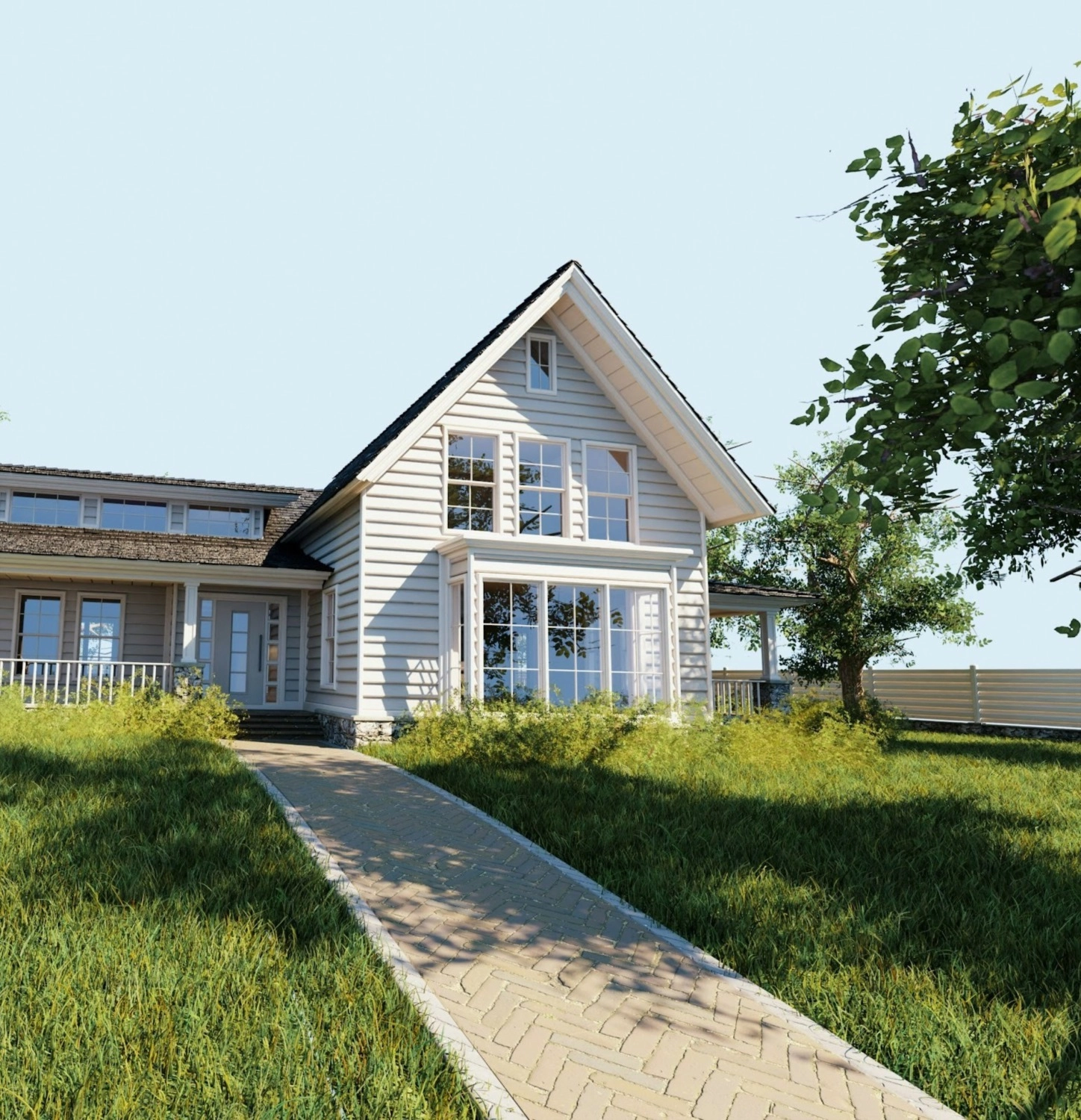
Siding a 2,000-square-foot home on the Front Range costs $18,000 to $32,000 in 2026 for fiber cement, $12,000 to $20,000 for vinyl, $22,000 to $40,000 for three-coat stucco, and $20,000 to $34,000 for steel, installed, with tear-off of the old siding included. Per square foot of wall, that is $9 to $16 for fiber cement, $6 to $10 for vinyl, $11 to $20 for stucco, and $10 to $17 for steel.
Colorado changes the choice more than the price. Hail stones over 1 inch hit Denver, Aurora, Centennial and Colorado Springs most years, UV at 5,280 feet fades color 2 to 3 years sooner than at sea level, bentonite clay moves stucco, and every HOA on the Front Range wants to approve the color. This guide prices each material for Colorado, explains what insurance pays after a hail claim, and tells you which siding pays back at resale.
Siding cost per square foot on the Front Range, 2026
| Material | Installed cost per sq ft of wall | 2,000 sq ft home (about 2,100 sq ft of wall) | Hail | UV fade | Life in Colorado |
|---|---|---|---|---|---|
| Vinyl | $6 to $10 | $12,000 to $20,000 | Cracks under 1-inch hail, worse below freezing | Fades in 7 to 10 years on south and west walls | 15 to 25 years |
| Fiber cement (James Hardie, Allura) | $9 to $16 | $18,000 to $32,000 | Resists hail to 1.5 inches; chips repairable | Factory ColorPlus finish holds 15 years; field paint 7 to 10 | 30 to 50 years |
| Engineered wood (LP SmartSide) | $8 to $13 | $16,000 to $27,000 | Dents but rarely cracks | Prefinished holds 10 to 15 years | 30 years with paint |
| Steel | $10 to $17 | $20,000 to $34,000 | Best of the group; dents cosmetically in 2-inch hail | Kynar finish holds 20 years | 40 to 50 years |
| Three-coat stucco | $11 to $20 | $22,000 to $40,000 | Chips and spalls; patches show | Integral color holds; paint chalks in 8 to 10 years | 40-plus years if the foundation stays still |
| Cedar or redwood | $12 to $22 | $24,000 to $44,000 | Dents; repairable | Needs stain every 3 to 4 years in Colorado sun | 25 to 40 years with maintenance |
These numbers are for the Denver metro, Boulder County, Colorado Springs and Fort Collins with a licensed contractor. Foothills homes in Evergreen, Conifer and Golden add 10 to 20 percent for access and steep-lot staging. Homes built before 1978 add $1,500 to $4,000 for lead paint handling under the federal RRP rule.
What drives the total up or down
- Wall area, not floor area: a two-story 2,000-square-foot home has 1,800 to 2,400 square feet of siding; a ranch of the same size has more wall per floor plus gables. Bids quote "squares" (100 square feet of wall).
- Tear-off and disposal: $1 to $2 per square foot. Layered siding (vinyl over original wood) costs more to remove.
- Sheathing and house wrap: $2,000 to $6,000 to replace rotted OSB and add a new weather barrier; every Front Range job over 30 years old finds some.
- Trim, soffit, fascia: $3,000 to $9,000 to wrap or replace. Match the material to the siding so the hail claim covers it as one system next time.
- Stories and access: a walk-out basement in Highlands Ranch or Castle Rock adds a third story of wall on the back.
- Season: contractors book out 6 to 10 weeks from March through October. A December to February job comes in 5 to 10 percent lower, and fiber cement and steel install fine in cold weather; vinyl and stucco do not.
Hail: what survives on the Front Range
Colorado ranks second in the country for hail claims, and the corridor from Colorado Springs through Denver to Fort Collins takes the worst of it from late spring through September. Siding on the north and west walls takes the direct hits because the storms track from the west and southwest.
- Steel and fiber cement: the two materials adjusters see with the least damage after a 1.5-inch storm. Both carry impact ratings; ask for the test data in the bid.
- Vinyl: shatters when a storm hits below 40 degrees, and cracks at any temperature above 1 inch. Insurers write it off in every big claim, which is why it is disappearing from the south metro.
- Stucco: pits and chips. A patch on integral-color stucco never matches, so a hail claim on stucco turns into a full recoat.
- Insurance discounts: a few Colorado carriers discount for impact-rated siding the way most do for a Class 4 roof. Ask before you choose.
UV and altitude: why Colorado siding fades
At 5,280 feet the ultraviolet index runs about 25 percent higher than at sea level, and Colorado gets 300 days of sun. South- and west-facing walls fade first. Vinyl in a dark color fades and warps; field-painted fiber cement chalks in 7 to 10 years; factory-finished fiber cement and Kynar-coated steel hold 15 to 20. Pick a factory finish for any wall that faces south or west, and pick light to mid-tone colors on vinyl. If the new siding needs field paint, a Front Range exterior painter such as Cover Pro Painting quotes the finish coat separately: $2 to $4 per square foot of wall for two coats of 100 percent acrylic. Our post on flat versus satin exterior paint covers which sheen hides hail dings.
Stucco on expansive soils
Stucco is the exterior on a large share of the homes built in Douglas and Arapahoe County between 1995 and 2010. It cracks where the foundation moves, and Front Range foundations move on bentonite clay every wet spring. Hairline cracks under 1/16 inch are cosmetic; step cracks and cracks wider than 1/8 inch point to foundation movement and need a structural engineer ($500 to $900 for a report) before a stucco contractor touches the wall. Recoating a 2,000-square-foot stucco home runs $8,000 to $15,000; a full tear-off and re-stucco runs $22,000 to $40,000. One-coat synthetic (EIFS-style) systems from the 1990s trap water; inspectors flag them, and buyers discount for them.
HOA approval and permits in Colorado
- HOA: any change in siding material or color needs design review under the association's guidelines, and the Colorado Common Interest Ownership Act lets the board enforce them. HRCA in Highlands Ranch, the Castle Pines and Parker master associations and every Denver metro district HOA publish approved color palettes. Submit the manufacturer color chip and a photo of the house; approvals take 2 to 6 weeks. Painting the same color needs no approval in most communities. The Highlands Ranch covenants and approvals guide walks through the request.
- Permits: Denver, Aurora, Lakewood, Douglas County and Jefferson County require a building permit for full siding replacement because it touches the weather barrier and window flashing. The contractor pulls it; the fee runs $150 to $500. Repairs under 100 square feet need no permit.
- Wildfire zones: homes in the Jefferson and Douglas County wildfire hazard overlays need ignition-resistant siding (fiber cement, steel, stucco) on new construction and on some replacements. Cedar does not qualify.
Insurance after hail: what the claim pays
A hail claim pays to replace damaged siding on the elevations that were hit, minus your deductible. Three Colorado facts change the math:
- Wind and hail deductibles: most Front Range policies now carry a separate wind/hail deductible of 1 to 2 percent of the dwelling coverage. On a $600,000 dwelling limit, that is $6,000 to $12,000 out of pocket before the claim pays.
- Matching: Colorado does not require insurers to replace undamaged elevations so the whole house matches. Discontinued vinyl means two elevations of new siding next to two of old. Some policies sell a matching endorsement; ask.
- Depreciation: on an actual-cash-value policy, a 15-year-old vinyl job pays out at a fraction of replacement cost. Replacement-cost coverage pays the full amount once the work is done.
Use a claim to upgrade: the insurer pays the vinyl replacement cost, and you pay the difference to fiber cement or steel. A remodeler such as America's Advantage Remodeling writes a line-item scope that separates the insurance portion from the upgrade; you are free to use any provider, and any bid you accept should be itemized the same way.
Does new siding pay back at resale?
On Denver metro sales, a fiber cement or steel re-side returns 70 to 85 percent of its cost at closing and shortens days on market, because buyers and their inspectors stop asking about hail, rot and the next paint job. Vinyl returns 60 to 70 percent. A recoated stucco home returns most of the recoat cost by removing the crack conversation at inspection. The bigger effect is the one you do not see: a home with cracked vinyl or chalked paint gets a $15,000 to $25,000 "siding" line in the buyer's inspection objection, and the seller pays it either way. The preparing and adding value before selling page ranks siding against the roof, windows and paint, and the Colorado roof replacement cost guide covers the other half of a hail claim.
How to get an accurate siding bid on the Front Range
- Get three itemized bids: squares of siding, tear-off, sheathing allowance, house wrap, trim, flashing, paint, permit, disposal. Reject lump sums.
- Check the license and insurance: Denver and most metro cities license contractors; ask for the certificate of liability and workers' compensation.
- Ask for the impact rating and the finish warranty: in writing, with the manufacturer's document.
- Time it: book in January for a February or March install and a lower price; book in June and wait until September.
- Photograph the house before and after: the next hail adjuster wants the install date and the material.
Where to go next
- Preparing and adding value before selling
- Colorado hail and roof costs compared
- Weatherproofing your home for the Colorado climate
- The roof report: what every Colorado buyer should inspect
- Homes for sale in Aurora
- Kenna Real Estate Group agents
Talk to the Kenna Real Estate Group
The Kenna Real Estate Group at Keller Williams DTC tells sellers whether to re-side, recoat or price around the siding before listing, and tells buyers what a hail-hit exterior costs to fix before the inspection deadline. Call or text 303-955-4220. A live person answers. Not a robot, not a phone tree. Or search every home for sale in Colorado.
Homes for sale that match this post
Guides
Questions about any home in Colorado? Call or text 303-955-4220. A live person answers.