New - 30 Mins Ago

$228,000
Active
2
Beds
2
Baths
1019
Sqft
--
Acres
8600 E Alameda Ave #19-108, Denver, CO 80247
MLS#: 7612840
.jpg)


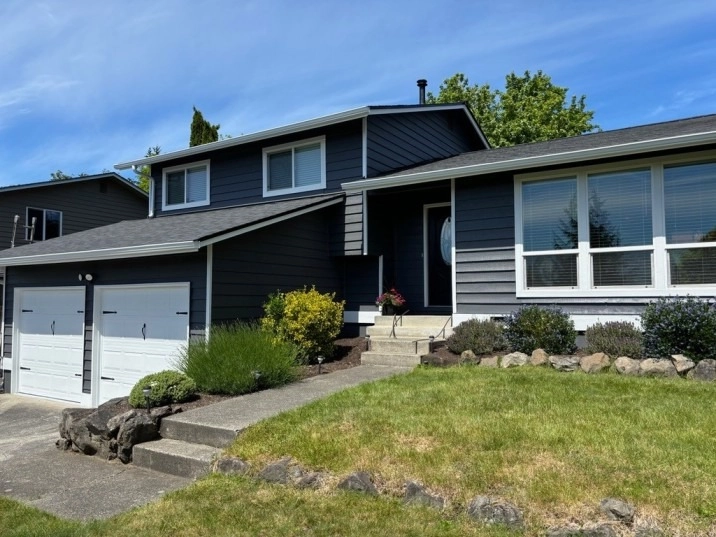
Satin is the right exterior finish for most Colorado homes. Colorado sun at 5,280 feet, hail from late spring through September, and 100-plus freeze-thaw cycles a winter break down a flat finish in 3 to 5 years, while a satin acrylic on the same wall holds 6 to 9. Flat paint earns its place on one surface here: heavily patched stucco or rough old siding, where its lack of sheen hides the repairs.
This guide gives the sheen-by-surface answer for wood, fiber cement, stucco and brick, the Front Range painting calendar, what a Denver metro exterior job costs in 2026, the HOA approval step that covenant communities require, and what a fresh exterior returns when the house goes on the market.
Sheen is the amount of resin at the surface. More resin means a harder, tighter film that sheds water and dirt and reflects a little light. Flat has the least, satin has more, semi-gloss more still.
| Finish | Hides surface flaws | UV and fade resistance | Washability | Colorado lifespan | Best use on the Front Range |
|---|---|---|---|---|---|
| Flat / matte | Best | Lowest; chalks by year 3 on south and west walls | Poor; scrubbing burnishes it | 3 to 5 years | Patched stucco, rough cedar, adobe-style homes |
| Satin (low sheen) | Good | Good; holds color 6 to 9 years | Good; hose and soft brush | 6 to 9 years | Wood, fiber cement, vinyl, smooth stucco body color |
| Semi-gloss | Poor; shows every dent | Best | Best | 7 to 10 years | Trim, doors, shutters, railings |
Painting contractors across the country report the same split, and Millennium Painting puts it at about 70% of homes in flat and 30% in satin nationally. On the Front Range that ratio runs the other way, because the climate punishes flat paint faster than it does in Seattle or Atlanta.
Late April through early October, with June and September the best months. Most acrylics need the surface at 50°F or above and staying there for 4 hours after application; low-temperature formulas go to 35°F and extend the season a few weeks each end. Three Colorado rules:
Labor is 70% to 80% of the bill, and Front Range crews price by square feet of wall, prep condition and stories.
| Home | Prep and paint, satin body plus trim | Add for stucco with elastomeric |
|---|---|---|
| 1,500 sq ft ranch, siding in fair shape | $4,500 to $7,500 | +$1,500 to $2,500 |
| 2,200 sq ft two-story, standard prep | $7,000 to $11,000 | +$2,000 to $3,500 |
| 3,000 sq ft two-story, heavy scraping and caulk | $10,000 to $16,000 | +$3,000 to $5,000 |
Satin paint costs $5 to $10 more per gallon than flat, which adds $100 to $200 on a house that takes 15 to 20 gallons. The finish upgrade is the cheapest line on the invoice; the repaint you avoid in year 4 is the savings. Ask for two coats, a written brand and product line, and a labor warranty of at least 2 years. A contractor who does exterior painting full time will put all three in writing without being asked.
In a covenant community, changing your exterior color without approval brings a fine and an order to repaint. The rules on the Front Range:
The Denver HOA rules and fees guide covers how violations and fines are enforced, and the post on Highlands Ranch HOA covenants and renovations goes deeper on HRCA.
Light and mid-tone earth colors hold longest: warm grays, tans, sage, clay. Dark navy, charcoal and black on a south or west wall fade visibly in 2 to 3 years and run 20°F to 30°F hotter on the surface, which stresses siding and caulk. If you want a dark body, use a paint with UV-reflective pigments and accept a repaint on the sunny walls at year 5.
Exterior paint is the first line in every listing photo and the first thing a buyer sees from the curb. A peeling south wall in Littleton signals deferred maintenance and invites a $10,000 inspection credit request for a job that costs $7,000 to do before listing. A fresh satin exterior in a palette color does not add $20,000 to the price; it removes the objection and speeds the sale. Our preparing and adding value before selling page ranks paint against roof, windows and landscaping, and the 8 curb appeal fixes for Front Range sellers post lists what to do when there is no budget for the full job.
One federal rule for Denver's older stock: any home built before 1978 is presumed to have lead paint. Scraping and sanding by a contractor requires an EPA RRP-certified firm, and the seller gives buyers the lead disclosure and pamphlet at contract. Painting over intact lead paint is allowed; disturbing it without certification is not.
The Kenna Real Estate Group at Keller Williams DTC tells Front Range sellers which exterior fixes come back in the price and which do not, and prices the home with a Smart Pricing Report before a gallon is bought. Call or text 303-955-4220. A live person answers. Not a robot, not a phone tree. If you are buying, search every home for sale in Colorado.
Questions about any home in Colorado? Call or text 303-955-4220. A live person answers.
Satin. Colorado UV at altitude, hail and freeze-thaw cycles chalk and peel a flat finish in 3 to 5 years, while satin acrylic holds 6 to 9. Use flat only on heavily patched stucco or rough old siding where hiding repairs matters more than lifespan.
6 to 9 years for a two-coat satin acrylic on siding, 3 to 5 for flat, and 2 to 3 years less on south and west walls than on north walls of the same house.
$4,500 to $7,500 for a 1,500 sq ft ranch, $7,000 to $11,000 for a 2,200 sq ft two-story, and $10,000 to $16,000 for 3,000 sq ft with heavy prep. Elastomeric on stucco adds $1,500 to $5,000.
Late April through early October, when surfaces stay at 50°F or above for 4 hours after application. June and September are the best months; from late June through August, stop by noon on afternoon-storm days.
For a color change, yes: a Residential Improvement Request with body, trim and accent samples, reviewed in up to 45 days. Repainting the same approved color needs no request.
Flat or matte hides dents and chips; satin shows them under raking light. On a hail-damaged wall, repair and fill first, then use satin so the next storm chips less.
It removes the deferred-maintenance objection and the inspection credit, which on a peeling house runs $7,000 to $10,000. A fresh exterior sells faster at the asking price; it does not add a premium above it.
Warm grays, tans, sage and clay mid-tones. Navy, charcoal and black on south and west walls fade visibly in 2 to 3 years and run 20°F to 30°F hotter at the surface.


