.jpg)


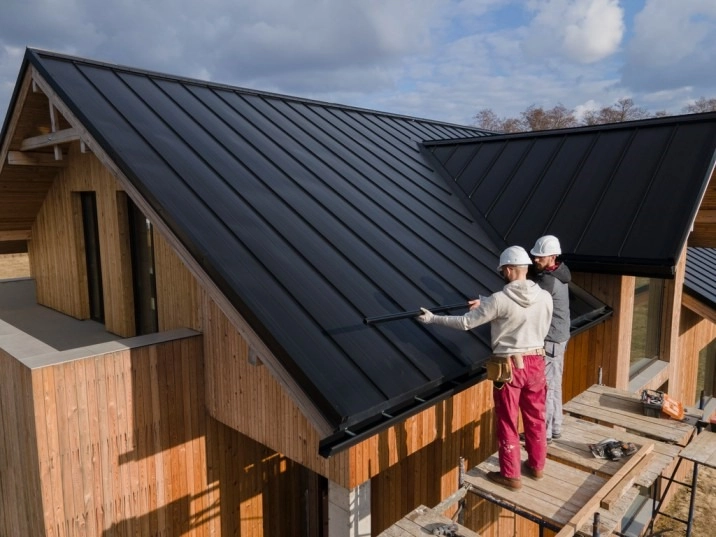
A Colorado roof does more work than most homeowners realize. It carries 300 days of sun, a hail season that runs mid-April through mid-September, freeze-thaw cycles that repeat dozens of times a winter, and wind gusts that top 60 mph on the plains. Delay a repair on the Front Range and the cost compounds fast, because each of those four forces attacks a weak spot at the same time.
Why timing matters more in Colorado than most states
Most roofing markets deal with one or two stress factors a year. Denver, Aurora, Colorado Springs and the rest of the Front Range deal with all of them in the same twelve months: intense ultraviolet exposure that breaks down asphalt oils, hailstones that bruise or puncture shingles, and nightly freeze-thaw swings each winter that force water into any crack and expand it. A roof rated for 25 years in a milder climate needs attention here at 15 to 18 years.
How UV at altitude shortens shingle life
Denver sits at 5,280 feet, where the atmosphere filters out less ultraviolet radiation than it does at sea level. That UV load dries out the asphalt oils in a shingle faster, which is why granule loss and shingle curling show up earlier on Front Range roofs than the manufacturer's rated lifespan suggests. A 30-year shingle installed in Denver behaves closer to a 20 to 24-year product.
What hail season does to a roof
Colorado's hail season runs from mid-April to mid-September, with the heaviest activity along the Palmer Divide, Colorado Springs, Aurora and the eastern Denver suburbs. A single hailstorm can bruise the mat under a shingle without breaking the surface, which means damage is not always visible from the ground. An annual inspection before hail season catches weak shingles before a storm turns a small problem into a full claim; see how hail and roof costs compare across South Denver for real numbers.
Freeze-thaw and Colorado winters
Front Range winters swing above and below freezing on the same day for weeks at a time. Water that gets under a cracked shingle or damaged flashing freezes, expands, and widens the gap. Repeat that cycle 40 to 60 times a winter and a small leak point turns into a plywood deck repair by spring.
Repair costs in the Denver metro
A localized shingle repair in the Denver metro runs $400 to $1,200 depending on the size of the damaged area and roof pitch. Flashing repair around a chimney or vent runs $250 to $650. These numbers assume a licensed roofer with a ladder-accessible roof; steep-pitch or multi-story homes run higher.
Full roof replacement costs
A full asphalt shingle replacement on a typical 2,000 to 2,400 square foot Front Range home runs $9,000 to $16,000, depending on pitch, tear-off layers and material grade. Class 4 impact-rated shingles add $1,500 to $3,000 over standard architectural shingles, and Front Range homeowners recover that difference through an insurance discount within a few years; see the full breakdown in Roof Replacement in Colorado: Costs, Lifespan, and Best Materials.
| Roof work | Typical Front Range cost | Timeframe |
|---|---|---|
| Localized shingle repair | $400 - $1,200 | 1 day |
| Flashing repair | $250 - $650 | 1 day |
| Full replacement, standard shingles | $9,000 - $16,000 | 1 - 3 days |
| Full replacement, Class 4 shingles | $10,500 - $19,000 | 1 - 3 days |
Class 4 impact-rated shingles and insurance
Class 4 shingles pass the UL 2218 impact test at the highest rating available for asphalt roofing. Most Colorado insurance carriers offer a premium discount for a Class 4 roof, and some Front Range cities apply for the discount automatically once the permit closes. Ask the roofer for the certification paperwork the day the job finishes; the insurance company will ask for it.
What delay actually costs
A roof leak left through one Colorado winter turns a $500 repair into a $3,000 to $8,000 deck and insulation repair by spring, because trapped moisture spreads under the shingles and into the attic before it ever shows up as a ceiling stain. Catching it in the fall, before the first freeze, is the difference.
Indoor air quality and a failing roof
A roof leak that goes unaddressed lets moisture into the attic insulation, and trapped moisture in a Colorado attic during winter creates the conditions mold needs to grow. Homeowners trace a musty smell or a spike in allergy symptoms to the living space far less than they should; the moisture problem starts in the attic.
Permits by city and county
Denver, Aurora, Colorado Springs, Lakewood and most Front Range municipalities require a building permit for a full roof replacement, even when the work is a like-for-like shingle swap. Unincorporated Jefferson, Arapahoe and Douglas counties issue their own permits separately from the cities inside them. A roofer working in your area should pull the permit and schedule the inspection; ask to see the permit number before the crew starts.
HOA approval for roof color and material
Most Front Range HOA-governed neighborhoods, including many in Highlands Ranch, Castle Rock and Parker, require architectural review approval before a roof color or material changes, even for a like-for-like replacement in some communities, similar to the process laid out in the Denver HOA rules and fees guide. Submit the color and material sample to the HOA before the roofer orders material; a rejected color after the job is finished is an expensive redo.
How roof condition affects a Colorado home sale
A roof with fewer than 5 years of remaining life is one of the most common items a Colorado buyer's inspector flags, and it is one of the fastest ways a seller loses control of a negotiation. Sellers who replace or fully document a roof's condition before listing avoid a last-minute credit request during the inspection objection period. A pre-listing plan for adding value before selling should include a roof assessment alongside paint and landscaping.
The roof objection in a Colorado inspection
Colorado's standard contract gives buyers an inspection objection deadline, and roof condition shows up in a large share of those objections on homes over 12 years old. Sellers who order a roof certification ahead of listing, rather than waiting for the buyer's inspector to find the issue, keep the negotiation on their terms; the Colorado seller's guide walks through the objection timeline step by step.
Filing an insurance claim after a hailstorm
Most Colorado insurance policies give a homeowner one year from the date of loss to file a hail or wind claim, but the exact window is set by the policy, not by state law, so check the declarations page. Document damage with dated photos the same week a storm hits; adjusters weigh storm-date evidence heavily when a roof shows both old and new wear.
Choosing a licensed Colorado roofer
Confirm a roofer carries a Colorado contractor license where the city requires one (Denver and several Front Range cities license roofing contractors separately from the state), current liability insurance, and workers' compensation coverage before signing a contract. A written scope that lists underlayment type, ice-and-water shield at the eaves, and flashing replacement protects against corner-cutting on a rushed hail-season schedule. Buyers weighing a home's roof condition against other options can search every home for sale in Colorado to compare.
For homeowners researching materials, residential roofing services pages from licensed contractors outline the difference between a repair scope and a full tear-off, and indoor air quality research explains why a leaking attic matters beyond the ceiling stain. Homeowners outside Colorado comparing notes with reliable local roofing experts in other markets will recognize the same repair-versus-replace math, even though the climate drivers differ. Shingle composition itself is worth a look too: manufacturers publish shingles material data that explains why asphalt ages the way it does.
Where to go next
- Colorado hail and roof cost comparison
- Roof replacement in Colorado: costs and materials
- Preparing and adding value before selling
- Denver HOA rules and fees guide
- Search every home for sale in Colorado
- Talk to a Kenna Real Estate Group agent
Talk to the Kenna Real Estate Group
Whether a roof needs a repair estimate before a hailstorm hits or a full pre-listing assessment before going on the market, the Kenna Real Estate Group connects Front Range homeowners with the right next step and prices the home around the roof's real condition. Call or text 303-955-4220. A live person answers. Not a robot, not a phone tree. Then search every home for sale in Colorado while the roof work is fresh in mind.
Homes for sale that match this post
Guides
Questions about any home in Colorado? Call or text 303-955-4220. A live person answers.