New - 8 Hours Ago

.jpg)


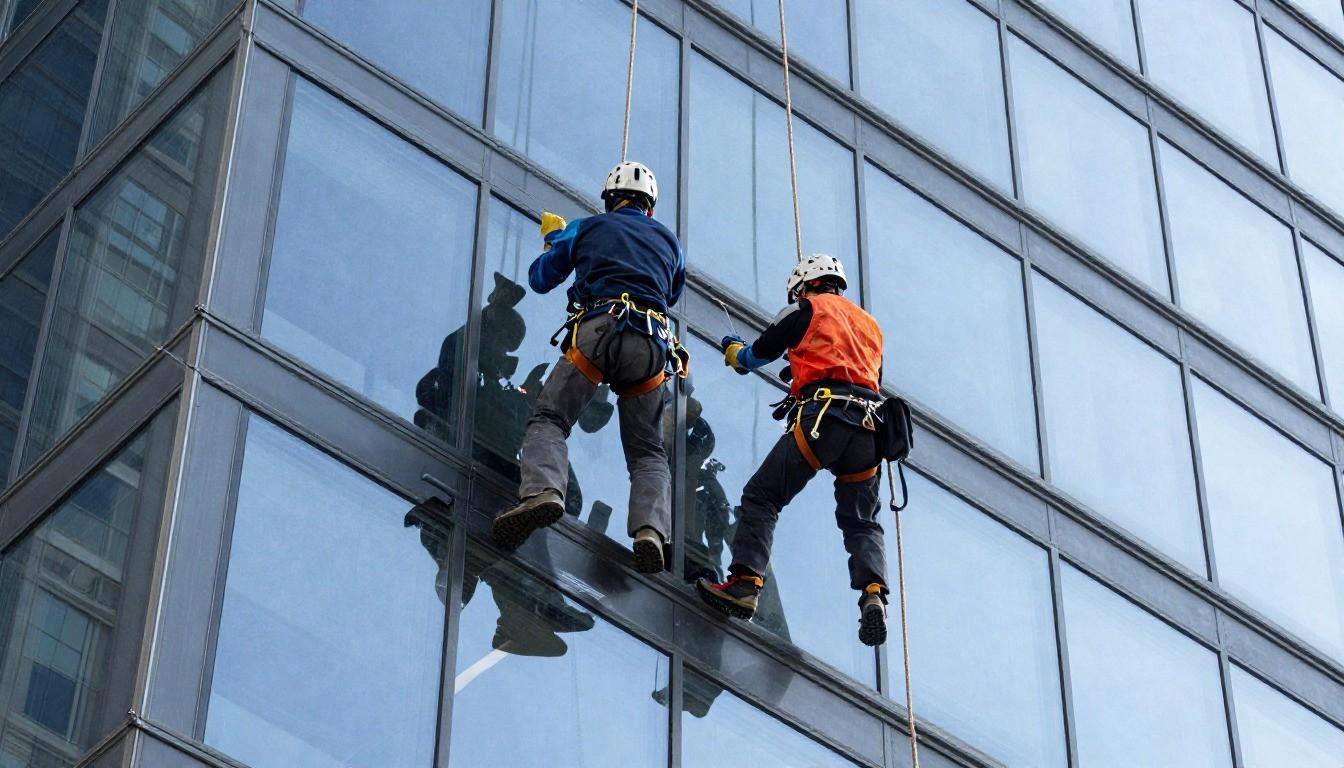
A dirty or neglected facade on a Denver high-rise is not just a cosmetic problem. Deferred cleaning lets grime, mineral deposits and mag chloride residue eat into sealants and masonry, and the bill for catching up almost always lands on owners as a special assessment years later.
Regular cleaning removes the grit, road salt residue and airborne pollutants that sit against caulk joints, masonry and window seals. Left in place, that residue holds moisture against the building envelope, which accelerates sealant failure and lets water find its way into the wall assembly long before anyone sees a stain in a unit.
Most professional facade maintenance plans call for a full exterior cleaning every one to two years for buildings along the Front Range, with spot cleaning of the lower floors on a tighter cycle where mag chloride splash-back from winter road treatment collects. A tower that skips a full cycle goes one extra year without lasting damage; skip two or three and sealant failure starts showing up in the next reserve study.
Colorado's winter road treatment leaves a chloride residue that splashes onto lower-floor facades and window sills and corrodes metal fasteners and flashing over time. Add freeze-thaw cycling, where water in a hairline crack expands every time the temperature swings through freezing, and small sealant gaps widen into real leaks within a few winters. High-altitude UV adds a third stress, breaking down caulk and sealant elasticity faster than the same materials age at sea level.
An HOA board that skips facade cleaning to hold dues flat is not saving money, it is deferring the expense and adding repair scope to it. A reserve study that assumed routine cleaning and minor sealant touch-ups gets overtaken by masonry repair, full recaulking and, in bad cases, structural repair once water gets behind the wall assembly. When the reserve fund cannot cover that scope, the board levies a special assessment, and it lands on whoever owns the unit at the time it is voted, not whoever owned it when the maintenance was skipped.
Ask for the HOA's most recent reserve study, its facade maintenance log, and minutes from the last two years of board meetings before you remove your inspection objection deadline. Catching a surprise HOA special assessment before you close walks through exactly what to request and how to read it. A reserve fund that is underfunded relative to the building's age and facade condition is a strong signal that a special assessment is coming.
In almost every Denver condo association, the exterior facade, including the building envelope and shared structural elements, is common element maintained by the HOA and paid for through dues and reserves, not billed unit by unit for routine cleaning. Individual owners only pay directly when damage originates inside their own unit and works outward, or when a special assessment is levied for a shortfall in the reserve fund. Check your specific declaration; language varies by building.
Routine pressure washing or chemical cleaning on a Denver high-rise does not require a city permit, but structural facade repair, recaulking large sections, and work requiring swing-stage scaffolding does, and the contractor should be pulling that permit, not the HOA board informally. Confirm permit status with Denver Community Planning and Development before repair work starts on any building you own in or are buying into.
A visibly stained, streaked or cracked facade reads as deferred maintenance to a buyer and their inspector before they ever ask about the reserve study, and it can slow a sale or invite a lower offer in a building that is otherwise well run. It can also affect the master insurance policy premium, since insurers price building envelope risk into the HOA's master policy the same way they price a roof. For sellers in Denver's LoDo, Uptown or Cherry Creek towers, the downtown Denver and LoDo condos and lofts guide and Denver condos, townhomes and lofts guide cover what buyers in these buildings ask about first.
A basic pressure wash removes surface dirt but can force water into hairline sealant gaps if the crew does not know where the building's weak points are. Professional facade cleaning on a mid- or high-rise uses lower-pressure, chemical-assisted methods matched to the building material — brick, stucco, EIFS or precast concrete each need a different approach — and includes a visual inspection of sealant condition while the crew is already staged at height. This high-rise facade cleaning overview from a Sydney crew is a useful look at how professional teams sequence that work, even though it covers a different climate than Colorado's; ask any Front Range contractor you hire for the same level of detail on method and sealant inspection.
| Maintenance choice | Near-term cost | 5- to 10-year outcome |
|---|---|---|
| Cleaning every 1-2 years | $2,000 to $15,000 per cycle depending on building size | Sealants inspected and replaced early; reserve study stays on track |
| Deferred 3+ years | $0 spent short-term | Sealant failure, masonry staining, possible water intrusion; higher repair scope |
| Reactive repair after damage | $25,000 to $150,000+ special assessment territory | Full recaulk or masonry repair, insurance scrutiny, resale friction |
Buying or selling a Denver condo means reading the HOA's reserve study and facade maintenance history as closely as the unit itself, and the Kenna Real Estate Group walks clients through both before an inspection deadline passes. Call or text 303-955-4220. A live person answers. Not a robot, not a phone tree. Or search every home for sale in Colorado right now.
Questions about any home in Colorado? Call or text 303-955-4220. A live person answers.
Most professional maintenance plans call for a full cleaning every one to two years, with more frequent spot cleaning near the ground where mag chloride residue collects.
Yes. Splash-back from winter road treatment corrodes metal fasteners and flashing and speeds up sealant breakdown on lower floors.
Ask for the most recent reserve study, the facade maintenance log, and board minutes from the last two years before your inspection objection deadline passes.
The HOA pays through dues and reserves for common-element facade repair; owners pay directly only through a special assessment when the reserve fund falls short.
Yes. A stained or cracked facade signals deferred maintenance to buyers and inspectors and can slow a sale or lower offers even when the individual unit is in good shape.
Routine cleaning does not require a permit, but structural repair or large-scale recaulking does; confirm with Denver Community Planning and Development.
Costs run roughly $2,000 to $15,000 per cleaning cycle depending on building size, height and material, well below the cost of a reactive special assessment.


