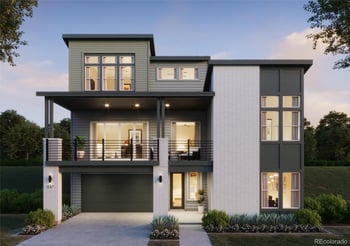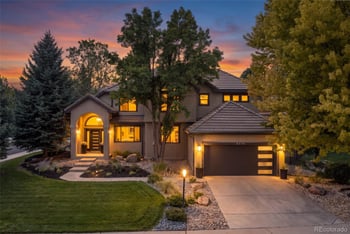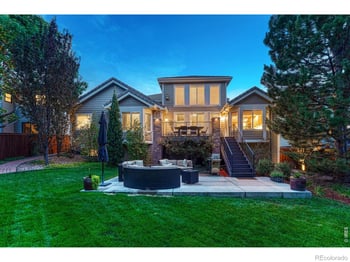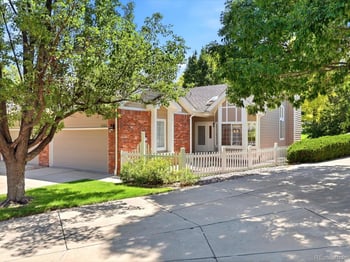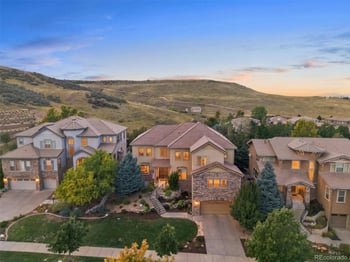
$1,639,000
Active
5
Beds
6
Baths
6431
Sqft
0.27
Acres
10523 Rivington Ct, Lone Tree, CO 80124
MLS#: REC5045908
.jpg)


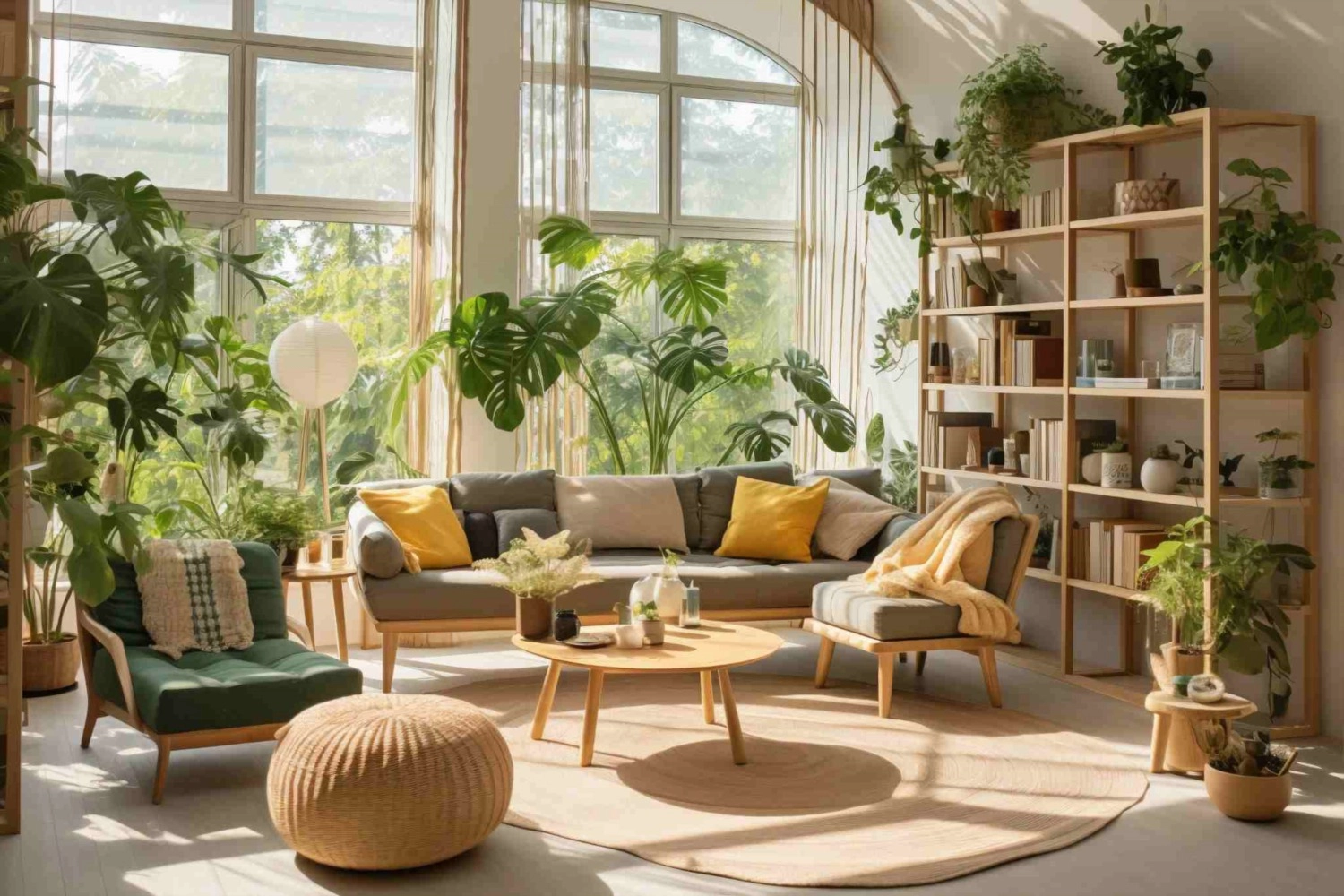
Earthy interiors bring raw wood, stone, clay and warm neutral tone into a home instead of stark white and chrome, and the look works with the Front Range's own materials and light instead of against them. Colorado's mountain modern buyers, from Denver lofts to Lone Tree and Evergreen luxury homes, have been trending this direction for several years, and the style photographs especially well under the state's strong natural light and against a mountain or foothills backdrop.
Earthy interiors lean on natural materials: unfinished or lightly finished wood, stone and clay tile, linen and wool textiles, and a palette of terracotta, sage, sand and charcoal instead of bright white and black. Curved furniture edges, organic pottery and dried botanicals replace glossy surfaces and hard geometric lines. Colorado design coverage has tracked earthy interiors as one of the design movements gaining the most traction nationally, and Front Range builders and remodelers are following that shift into mountain modern and organic modern listings.
A home with mountain or foothills views, exposed timber, and stone accents already leans earthy by default. Front Range buyers shopping in Lone Tree, Golden, Evergreen and the foothills communities respond to interiors that echo the landscape outside the window rather than fight it with a stark, all-white palette that reads cold against a snowy backdrop half the year.
Marble, soapstone and honed granite all fit the earthy palette better than polished, high-shine quartz. A local fabricator handling marble countertops can match a Front Range kitchen's stone to the home's existing wood tones and cabinet finish, which keeps a full kitchen remodel from reading as two unrelated design decisions stacked on top of each other.
The Front Range gets roughly 300 days of sun a year, and UV intensity at 5,280 feet fades unsealed wood and natural fiber textiles faster than at lower elevations. A matte or low-sheen sealer on wood floors and furniture, and UV-blocking window film on south- and west-facing glass, protect an earthy interior's raw materials from the fading and graying that direct Colorado sun causes within a few years.
Winter humidity on the Front Range drops under 30% on many days, which stresses both the live plants central to a nature-inspired room and the wood furniture and flooring that define the earthy look. A humidifier set to maintain 30% to 40% indoor humidity, grouping plants together to raise local humidity around them, and choosing plant species suited to dry air, such as snake plant, ZZ plant and succulents, keep the greenery that anchors the style alive through a Colorado winter.
Natural materials read as higher-end to buyers touring in person, which supports pricing in competitive Front Range neighborhoods. A kitchen or primary bath updated with natural stone, warm wood tones and a curated earthy palette tends to photograph as a listing highlight rather than a dated remodel a decade from now, unlike a strictly of-the-moment trend finish that ages out of style within a single market cycle.
Warm-temperature bulbs, 2700K to 3000K, flatter the terracotta and sand tones central to an earthy palette far better than the cool 4000K-plus bulbs common in newer Front Range construction. Layering a dimmable overhead fixture with a few floor and table lamps at the same warm temperature keeps the room's material palette reading consistent from morning light through an evening dinner.
Wide-plank white oak, walnut and engineered wood in matte finishes anchor an earthy interior better than high-gloss laminate. Natural stone or clay tile in an entry or a mudroom holds up to Front Range mud season and winter salt tracked in from the driveway while still fitting the palette; a wool or jute area rug over hardwood adds texture without the moisture concerns of wall-to-wall carpet, and it layers easily over radiant floor heat in a primary bedroom or a basement.
| Room or project | Front Range cost range | What it covers |
|---|---|---|
| Paint and textile refresh (one room) | $800 to $2,500 | Earthy paint palette, linen or wool textiles, pottery accents |
| Kitchen countertop swap to natural stone | $3,500 to $9,000 | Marble, soapstone or honed granite on an existing footprint |
| Whole-home earthy palette and material refresh | $15,000 to $50,000+ | Flooring, paint, lighting and fixture updates across the home |
Mountain modern leans harder into raw timber, black steel and floor-to-ceiling stone fireplaces, while a softer earthy interior style uses the same material palette at a lighter touch: painted millwork, lighter wood tones and more negative space. Both work across Front Range price points; the choice comes down to whether the home's architecture already reads rustic or contemporary.
An earthy interior refresh is almost always an inside-the-home project that needs no HOA approval, but exterior stone veneer, a new front door in a natural wood finish, or landscaping changes that bring the look outside need design review in most Front Range HOA communities. Check the design guidelines before any exterior material change.
A heavily personalized earthy remodel, deep charcoal walls throughout, very dark stained wood floors, can narrow a home's buyer pool at resale even in a market that likes the style. Keeping structural and flooring choices in the lighter-to-mid range of the earthy palette while saving the boldest colors for easily changed elements, paint, textiles and decor, protects resale flexibility without giving up the look while living in the home.
Buyers who want this look without a remodel can search current Front Range listings directly at KennaRealEstate.com for homes already featuring natural stone, exposed wood beams and mountain modern finishes, which saves the cost and timeline of a full material overhaul after closing.
Denver metro has a deep bench of local stone fabricators, reclaimed wood suppliers and pottery studios that already work in the earthy palette, which cuts shipping time and cost compared with ordering finishes from out of state. Working with a fabricator or designer who has handled Front Range altitude and climate conditions before avoids a costly mismatch between a material and Colorado's actual weather.
The Kenna Real Estate Group helps Front Range buyers find homes with the natural materials and mountain modern finishes an earthy interior needs, and helps sellers price a stone or wood-heavy remodel correctly against current comparables. Call or text 303-955-4220. A live person answers. Not a robot, not a phone tree. Ready to see what is on the market now? Search every home for sale in Colorado.
Questions about any home in Colorado? Call or text 303-955-4220. A live person answers.
Unfinished or lightly finished wood, stone and clay tile, linen and wool textiles, and a palette of terracotta, sage, sand and charcoal in place of bright white and chrome.
Front Range homes with mountain or foothills views, exposed timber and stone accents already lean earthy, and the palette echoes the landscape instead of reading cold against a snowy backdrop for half the year.
A countertop swap to marble, soapstone or honed granite on an existing kitchen footprint runs $3,500 to $9,000 across the Front Range.
Yes. Roughly 300 days of sun a year and UV intensity at 5,280 feet fade unsealed wood and natural fiber textiles faster than at lower elevations, so a matte sealer and UV-blocking window film protect south- and west-facing rooms.
Snake plant, ZZ plant and succulents tolerate the winter humidity that drops under 30% on many Front Range days better than tropical species; grouping plants together also raises local humidity around them.
Interior material and color changes almost never need approval; exterior stone veneer, a new front door finish or landscaping changes that extend the look outside need design review in most communities.
Mountain modern leans harder into raw timber, black steel and floor-to-ceiling stone; a softer earthy style uses the same materials at a lighter touch with painted millwork and lighter wood tones.
Search current Front Range listings for homes with natural stone, exposed wood beams and earthy palettes already built in, which avoids the cost and timeline of a full material remodel after closing.