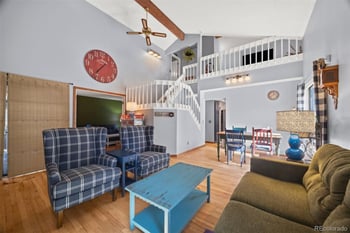
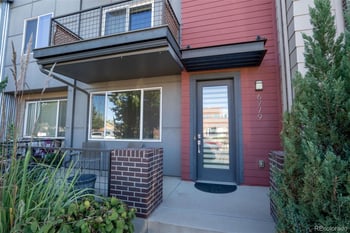
New - 15 Mins Ago

$3,590,000
Coming Soon
5
Beds
6
Baths
6123
Sqft
0.14
Acres
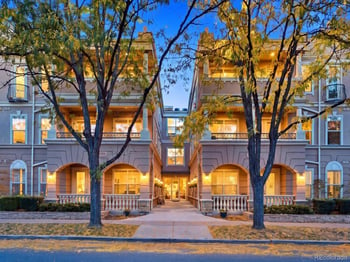
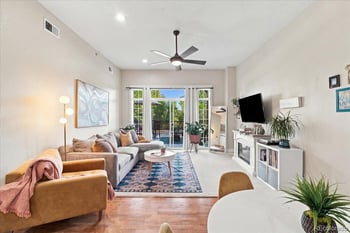
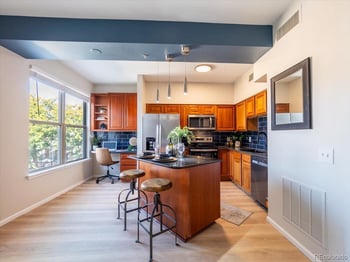
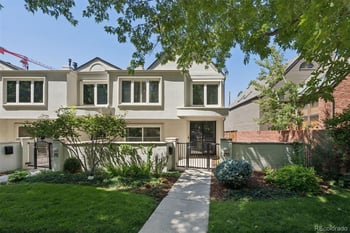
1296 S York St, Denver, CO 80210
MLS#: REC3955502
.jpg)



Central air conditioning filters and recirculates indoor air instead of pulling in outside air the way an evaporative cooler does, which matters directly on the Front Range where grass and tree pollen, ragweed, dust and wildfire smoke each have their own season. For a household managing allergies or asthma, the choice between a swamp cooler and central AC, and the filter rating running inside it, changes how much of that outdoor load actually reaches the lungs.
Front Range tree and grass pollen runs heaviest from April through June, ragweed picks up in August and September, and Colorado Springs, Aurora and Denver each sit inside the broader region that pollen researchers flag as having longer, more intense seasons than a generation ago. More than a quarter of adults nationally report a seasonal allergy, and Colorado's stretch of pollen months overlaps with the same months homeowners are deciding whether to run cooling equipment at all.
June through September also brings wildfire smoke to the Front Range in most years, and an evaporative cooler pulls outside air straight through the house, smoke included, because that is how the system works. Central air conditioning recirculates indoor air through a closed duct system, so a household can close windows, switch the AC to recirculate, and add a MERV 13 filter to meaningfully cut the smoke particulate reaching an asthmatic household during a bad air quality day. That single difference is the clearest health argument for central air over a swamp cooler on the Front Range.
Denver's low humidity and the added dryness at 5,280 feet of elevation dry out nasal passages and airways, which on its own irritates allergy and asthma symptoms before pollen or smoke enters the picture. A central air system paired with a whole-home humidifier keeps indoor relative humidity in the 30 to 45 percent range recommended for respiratory comfort, something an evaporative cooler already does naturally in dry months by adding moisture, though it loses that advantage once wildfire smoke or high pollen counts are in the outside air it is drawing in.
Check the furnace and AC manufacturer's specifications before jumping straight to MERV 13, since some older blower motors are not built to pull air through a denser filter without a professional adjustment. A technician can confirm static pressure on the system and, where needed, add a larger filter cabinet so the blower handles the denser media without added strain on the motor.
| Factor | Evaporative Cooler | Central Air Conditioning |
|---|---|---|
| Outside air handling | Draws outside air directly in | Recirculates and filters indoor air |
| Wildfire smoke days | Brings smoke indoors | Can run on recirculate with filtration |
| Humidity | Adds moisture naturally | Needs a separate humidifier for the same effect |
| Filtration options | Limited | MERV 13 or HEPA add-ons available |
Condensation on an AC coil or in ductwork that is not sealed and insulated properly grows mold, and that mold circulates through the house every time the blower runs, adding another allergy trigger on top of pollen and dust. An annual coil and duct inspection as part of a residential air conditioning service check catches this before it becomes a chronic symptom source rather than a seasonal one.
A Residential air conditioning service visit checks refrigerant charge, cleans the condenser and evaporator coils, inspects the blower motor and confirms the filter housing seals correctly so unfiltered air is not bypassing the filter around its edges, which is a common and easy-to-miss allergy trigger in older installations. Scheduling that service each spring, before pollen season peaks, keeps the system performing at its rated filtration through the months it matters most. Ask the technician to note the filter housing gasket condition specifically, since a cracked or missing gasket is the single most common reason a high-MERV filter fails to deliver the air quality improvement a household expects from it.
Unpaved shoulders, construction growth on the east side of the metro and dry summer soil add fine dust to outside air across Aurora, Commerce City and the eastern suburbs, and that dust settles into an evaporative cooler's pads and reservoir faster than it settles into a sealed central AC system. Households with pets add dander on top of that load, and a MERV 11 or MERV 13 filter paired with more frequent filter changes, every 30 to 45 days during high-dust months instead of the usual 60 to 90, keeps that combined load from building up inside the ductwork.
Ductwork that leaks at the seams pulls in attic or crawlspace dust and pushes conditioned, filtered air out before it reaches the room, undercutting the filtration a household paid for. Sealing duct joints with mastic rather than tape and scheduling a duct cleaning every three to five years, sooner in a home with a known mold or dust problem, keeps the filtered air a central AC system produces actually reaching the living space instead of leaking into the attic along the way.
A Front Range home with only an evaporative cooler and a household managing asthma or significant allergies has a real health case for adding central air conditioning, on top of the comfort case during monsoon humidity. Installed cost for retrofitting central AC into a home built around evaporative cooling runs $6,000 to $12,000 depending on existing ductwork, and financing options exist for homeowners who want to spread that cost.
Buyers managing allergies or asthma increasingly ask about filtration and cooling type during a showing, and a documented upgrade to central air with a MERV 13-capable system is worth noting in listing materials. See what adds value before listing a Colorado home for how mechanical upgrades factor into pricing.
Whether a Front Range household needs a home with central air already installed or wants to know what a swamp-cooler-to-AC upgrade does for resale, the Kenna Real Estate Group walks Colorado buyers and sellers through the mechanical details that affect daily comfort and a home's price. Call or text 303-955-4220. A live person answers. Not a robot, not a phone tree. Ready to look at homes instead? Search every home for sale in Colorado.
Questions about any home in Colorado? Call or text 303-955-4220. A live person answers.
Central air is the stronger choice for asthma because it recirculates and filters indoor air instead of drawing outside pollen, dust and wildfire smoke directly into the house the way an evaporative cooler does.
Tree and grass pollen run heaviest from April through June, with ragweed picking up again in August and September across the Denver metro and Colorado Springs.
MERV 13 is the rating most commonly recommended for allergy and asthma households, and it also meaningfully reduces wildfire smoke particulate when the system can run on recirculate.
Yes. Low humidity at 5,280 feet dries out nasal passages and airways on its own, which adds to irritation from pollen, dust and smoke before those triggers even enter the picture.
Yes. Condensation on an AC coil or in poorly sealed ductwork grows mold, and it circulates through the house every time the blower runs, adding a year-round trigger on top of seasonal pollen.
A typical visit checks refrigerant charge, cleans the coils, inspects the blower motor and confirms the filter housing seals so unfiltered air is not bypassing the filter.
Retrofitting central air conditioning into a home built around evaporative cooling runs $6,000 to $12,000 depending on existing ductwork.
Buyers managing allergies increasingly ask about filtration during a showing, so a documented upgrade to central air with high-MERV filtration capability is worth noting in listing materials.