New - 15 Mins Ago
.jpg)


An apartment with utilities included in the Denver metro runs $100 to $250 more a month than a comparable unit that bills separately, but it protects you from the swing a Colorado winter and summer put on an Xcel Energy bill. Whether that trade is worth it depends on how the complex actually splits the cost among tenants and what exactly "included" covers on your specific lease.
Ask for the covered list in writing before you sign, because it varies by property. The most common Front Range package covers water, sewer and trash. A smaller number of complexes, mostly older buildings with shared HVAC systems, add gas heat. Electricity is included less commonly because usage varies so much between tenants; when it is included, expect a cap or a flat add-on fee rather than unlimited use. Internet is rarely bundled unless the complex has an exclusive provider agreement, and even then it is a separate line item billed at a discounted rate rather than truly "included."
A 2-bedroom apartment in the Denver metro paying its own utilities runs $60 to $110 a month for Xcel Energy electric, $70 to $160 for Xcel Energy gas heat in December through February, $35 to $60 for Denver Water or the local water district, and $15 to $25 for trash if it is not covered by the HOA or the complex. Add those up in a cold month and a self-paying tenant can spend $200 to $300 in December and January alone, before internet.
| Utility | Typical monthly cost, self-paid |
|---|---|
| Electric (Xcel Energy) | $60 - $110 |
| Gas heat, winter months (Xcel Energy) | $70 - $160 |
| Water and sewer | $35 - $60 |
| Trash | $15 - $25 |
Compare that total against the rent premium the complex charges for "included" utilities. If the premium is $150 and your realistic winter bill would run $220 to $280 on your own, the bundle saves money in the coldest months even if it costs slightly more in April and October.
Many Front Range complexes that advertise utilities included actually use a Ratio Utility Billing System, known as RUBS: the property pays one master water and gas bill, then divides it among units by square footage or occupancy instead of a private meter. RUBS is legal in Colorado when it is disclosed in the lease. Ask specifically whether your "included" utility is a flat bundle or a RUBS charge that can still move up or down month to month, because the two are priced and marketed the same way but behave differently on your statement.
Colorado's hail season runs spring through September and can knock out a complex's roof insulation or damage an HVAC condenser, which drives up shared heating and cooling costs the following season, in a building on RUBS or shared metering. Ask the leasing office when the roof was last inspected after a storm. Separately, Denver's altitude and dry winter air mean furnaces run longer to hold the same indoor temperature than they would at sea level, so a unit with older, single-pane windows will cost noticeably more to heat than one with updated windows and insulation, whether you are paying Xcel Energy directly or through a bundled rent.
Trash pickup is bundled into rent at most Front Range apartment complexes regardless of whether other utilities are included, so do not count it as a selling point on its own; ask instead whether recycling and compost are offered, since not every property provides them and a few Denver and Boulder buildings require it under local ordinance. Internet is the utility most commonly marketed as "included" while actually being a required add-on fee for a specific provider the complex has an exclusive contract with. Read the lease line for internet carefully: a $45 monthly "technology fee" that is mandatory whether or not you use that provider is not the same as internet genuinely included in rent, and it is worth asking directly whether you can opt out and bring your own provider instead.
Run the comparison on paper before you sign anything. Take the base rent of a unit without utilities included, add the mid-range estimate from the table above for a full year (not just one cold month), and divide by 12 to get a blended monthly cost. Compare that number to the flat rent quoted for the all-inclusive unit down the hall in the same complex. Properties frequently price the two options only $50 to $75 apart, which means the bundle is worth it mainly for the certainty, not for a real dollar savings, once you average across a full Colorado year that includes both a $160 January gas bill and a $40 April one.
Ask the property manager directly whether the utility charge is reviewed annually and whether it rose in the past year. A utility add-on that has climbed faster than the base rent is a signal the property is passing along its own rising Xcel Energy and Denver Water costs rather than absorbing them, which changes the value of the bundle over a multi-year lease.
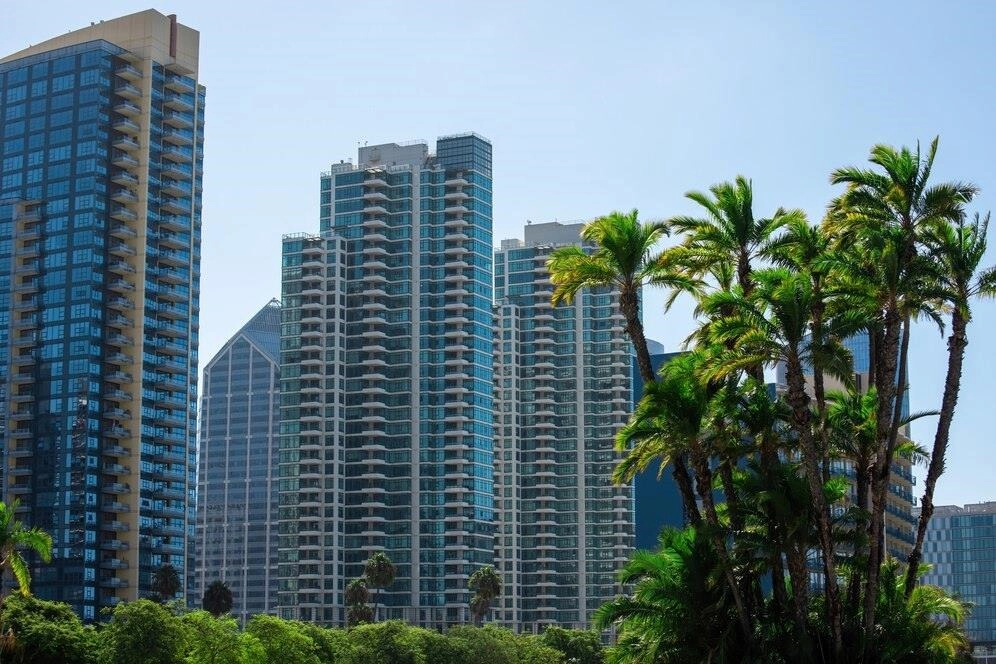
Older mid-rise complexes in Aurora, Lakewood, Thornton and Westminster bundle utilities more than newer luxury builds in central Denver, which sub-meter every unit individually and bill each tenant directly through a third-party service. If a bundled utility package matters to your budget, start your search in those established suburbs rather than newer downtown towers. Compare rent and utility costs across Aurora, Lakewood, Thornton and Westminster before you commit to one submarket.
A bundled-utility apartment solves a short-term budgeting problem, but the premium you pay for that predictability, $150 a month on average, adds up to $1,800 a year with no equity built. A first-time buyer locking a fixed mortgage payment and a known utility setup in their own name builds equity with every payment instead. The Colorado Home Buyer's Guide and Colorado Mortgage Pre-Approval Guide lay out what it takes to make that move, and Xcel Energy and Denver-area utility co-ops offer efficiency rebates to homeowners that renters never see.
If you are weighing an all-inclusive lease against buying your first Colorado home, the Kenna Real Estate Group can walk you through the real monthly numbers on both paths. Call or text 303-955-4220. A live person answers. Not a robot, not a phone tree. Or search every home for sale in Colorado to see what a fixed mortgage payment looks like next to your current rent.
Questions about any home in Colorado? Call or text 303-955-4220. A live person answers.
Water, sewer and trash most commonly. Gas heat is included at some older complexes. Electric and internet are rarely bundled and are billed separately or through RUBS.
$100 to $250 more a month than a comparable unit that bills separately, depending on the property and what is covered.
A Ratio Utility Billing System: the property pays one master bill and divides it among units by square footage or occupancy instead of individual meters. It is legal in Colorado when disclosed in the lease.
Yes in December and January, when a self-paid Xcel Energy gas bill can run $70 to $160. In milder months the bundle can cost more than paying utilities directly.
Older mid-rise complexes in Aurora, Lakewood, Thornton and Westminster bundle utilities more than newer downtown Denver towers, which sub-meter each unit.
Yes. Furnaces run longer at altitude to hold the same indoor temperature, and older single-pane windows cost more to heat than updated ones, whether you pay Xcel Energy directly or through bundled rent.
Yes, ask for a December or January bill and a July bill for a comparable unit so you can judge the real range instead of relying on the advertised flat rate.