
.jpg)


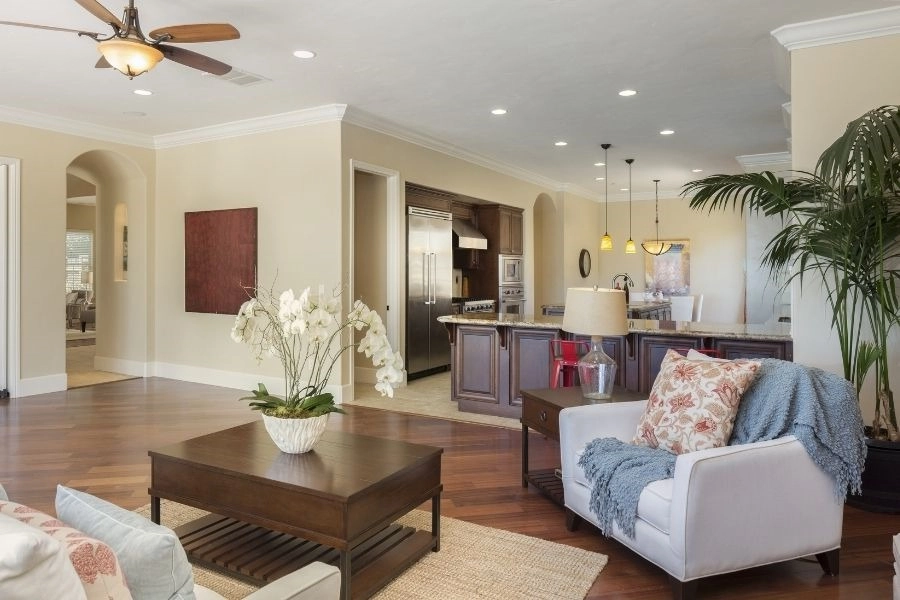
Three paths create more usable space in a Colorado home: decluttering and reorganizing what you already have, finishing space you already own (a basement, attic, or garage), or adding square footage through an ADU or addition. Start with the cheapest option and work up — most homeowners solve the immediate problem before they need to reach for the most expensive one.
Decluttering. Removing 20% to 30% of what's currently stored in a room — off-season items, duplicates, things not used in the past year — makes existing closets, garages, and basements function as real storage instead of overflow. This costs nothing but time and consistently delivers the fastest visible change of any option on this list.
Yes. Buyers touring a Front Range home read visible clutter as "not enough storage," even when the house has plenty — a packed closet or garage signals a space problem whether or not one actually exists. Clearing 20% to 30% of stored items before listing consistently improves how buyers perceive room and storage size in showing feedback.
| ADU type | Typical Denver metro cost | Notes |
|---|---|---|
| Garage conversion | $50,000 – $100,000 | Uses existing structure and foundation |
| Detached new-build ADU (400–600 sq ft) | $150,000 – $300,000 | Full utilities, foundation, and permitting |
| Basement conversion to accessory unit | $60,000 – $130,000 | Requires a separate entrance and egress windows |
Costs vary with lot access, utility hookup distance, and finish level; get at least two local bids before budgeting a specific number.
Denver has expanded where ADUs are allowed citywide in recent zoning updates, permitting detached and attached accessory units on many residential lots that previously did not qualify. Rules cover lot size, setbacks, height, and parking, and they differ by zone district, so confirm your specific lot's eligibility with Denver Community Planning and Development before budgeting for a design. The Denver ADU, Zoning, and Historic District Guide covers the current framework in detail.
Yes — a basement finish costs less per square foot than an above-grade addition since the foundation and roof already exist. Budget $30 to $60 per square foot for a standard finish, more if you're adding a bathroom or a legal egress window for a bedroom. Confirm the basement isn't prone to moisture first; a finish over an unresolved water issue creates a bigger problem than the space it solves.
Not for square footage purposes — unfinished attic space doesn't count toward a home's listed square footage or appraised value until it's finished with proper insulation, flooring, electrical, and (if it will be a bedroom) egress. Finishing an attic on the Front Range runs $25,000 to $60,000 depending on roof structure and whether dormers are needed for headroom.
A traditional attached addition runs $200 to $400 per square foot on the Front Range including foundation, roofline tie-in, and finishes. A detached ADU runs a similar per-square-foot range but adds its own utility connections and, depending on the jurisdiction, its own address and metering. Which one makes sense depends on whether the goal is more space for your own household or a separate rentable unit; Denver House Hacking Guide covers the ADU-as-income-unit angle.
Clutter itself isn't an appraisal line item, but an appraiser has to move through the home to measure and assess condition, and heavily stored rooms can make it harder to verify condition behind boxes and furniture. More importantly, clutter shapes buyer perception long before an appraisal happens — it's a showing issue first and an appraisal issue only indirectly.
A basement finish that adds a bedroom, bathroom, or kitchen needs building, electrical, and plumbing permits, plus an egress window if you're adding a legal bedroom. Requirements differ between Denver, Jefferson County, Arapahoe County, and Douglas County, so confirm with your specific jurisdiction before the contractor starts. Skipping the permit creates a disclosure problem when you sell.
Rent storage if you're selling within the next few months — a portable container or self-storage unit ($100–$300/month) is far cheaper than a built-in storage project you won't get to use or recoup before closing. Build storage only if you're staying long-term and the investment pays off in your own daily use, not just for a future buyer.
Built-in closet systems, mudroom storage, and garage organization are relatively low-cost updates ($500–$3,000) that buyers notice and appreciate, though they rarely return their full cost as a standalone line item at appraisal. Their bigger value is in how they make a home show — organized, spacious, and move-in ready.
Remove 20% to 30% of the furniture in each room, clear every horizontal surface, and open window coverings to let in Colorado's abundant natural light. This costs nothing beyond time and consistently outperforms paid staging in before-and-after showing feedback for small rooms.
A basic wire shelving system runs $200 to $600 per closet; a custom built-in system with drawers and cabinetry runs $1,500 to $5,000. Garage organization — wall-mounted storage, overhead racks, a slat-wall system — runs $500 to $3,000 depending on scope and pays back in both daily use and buyer appeal when it's time to sell.
The Kenna Real Estate Group can tell you whether decluttering, a basement finish, or an ADU is the right next step for your specific Front Range property and budget, and connect you with contractors and lenders who work in this space regularly. Ask for the printable decluttering checklist in the form below and we email it the same day. Call or text 303-955-4220. A live person answers. Not a robot, not a phone tree. Looking for more space in a new home instead? Search every home for sale in Colorado.
Questions about any home in Colorado? Call or text 303-955-4220. A live person answers.
Most homeowners need two to four weeks working room by room, longer in a home with a decade or more of accumulated belongings.
Yes, an ADU requires building, electrical, and plumbing permits, and the lot must meet current Denver zoning eligibility before design work starts.
Yes, a garage conversion costs $50,000 to $100,000 versus $150,000 to $300,000 for a detached new-build ADU, since it reuses the existing structure and foundation.
Closets and the primary bedroom, since buyers open closet doors during nearly every showing and a half-empty closet reads as more storage.
Only if you're adding a legal bedroom; a finished basement used as a rec room or office does not require egress, but check your specific jurisdiction's code.
Rental eligibility depends on current Denver short-term and long-term rental rules for accessory units; confirm current requirements with the city before planning to rent it out.
Sellers routinely see a noticeable jump in buyer feedback scores after clearing 20% to 30% of stored items, with no other changes made to the home.
$500 to $3,000 covers wall-mounted shelving, overhead racks, and a slat-wall system for a standard two-car Front Range garage.