.jpg)


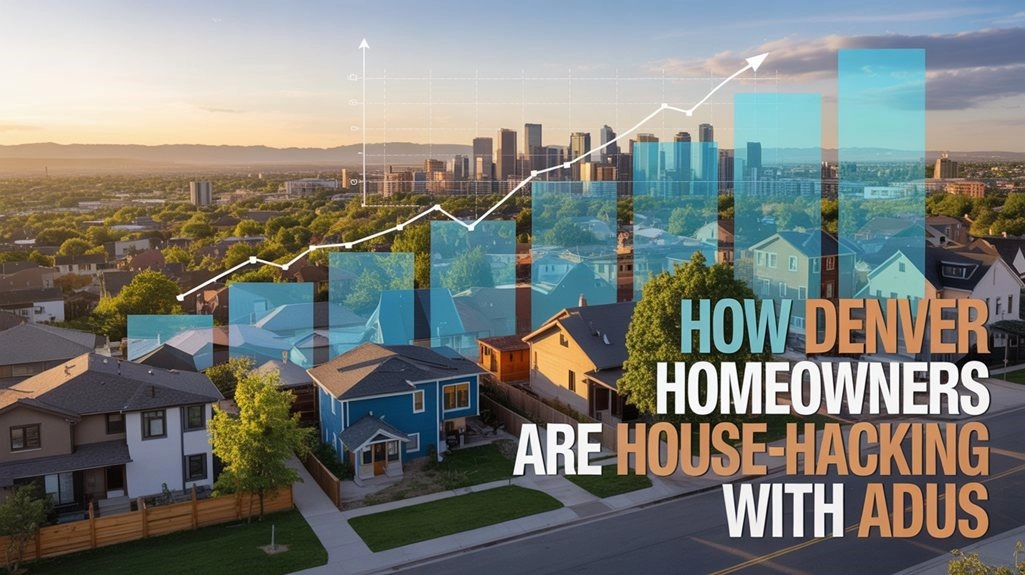
The neighbors figured it out first. One built over the old garage. Another tucked a one-bedroom behind the lilac hedge. Now the rest of the block is asking questions about setbacks, rent comps, and how loud the framers really get at 7 a.m. Welcome to Denver’s new pastime — backyard real estate.
Citywide ADU rules, friendlier parking policies, and home-equity windfalls have turned casual “what-if” conversations into building permits. Below is a neighborly walkthrough of what actually matters on Denver blocks: where an ADU can sit, what rents look like in 2025, how parking really plays when snow routes kick in, and three sample pro formas that show how real homeowners are making it work — from alley homes to corner-lot cottages.
Why Denver’s House-Hack Scene Just Got Interesting
Two moves changed the math. First, the city’s Citywide ADUs reform broadened where ADUs are allowed and clarified the basics. Second, in 2025 Denver eliminated citywide parking minimums for new development, which takes pressure off tight sites and alleys — even if it stirs up more on-street parking drama come winter.
Licensing reality also shapes strategy: short-term rentals (<29 nights) must be your primary residence with a separate STR license; most ADU income works best as 30+ day rentals under the residential rental property license. It’s dull paperwork that makes your pro forma sturdier and resale cleaner. In a shifting Denver housing market, those details make the difference between a compliant income stream and a financing headache.
Can Your Lot Actually Host an ADU?
The Denver rule of thumb most folks learn first: detached ADUs live in the rear 35% of the lot, with typical 3–5 ft side and ~5 ft rear setbacks depending on context. Bulk planes and height caps keep backyard buildings neighbor-friendly — think roughly 1½–2 stories (often max ~24') with slope planes from side lot lines. If your block has alleys (Berkeley, Sunnyside, Highland, West Colfax), access gets simpler; no-alley areas like Park Hill or University Park need more driveway choreography.
Historic districts and designated landmarks add a layer: you’ll match massing and materials more closely, and you’ll likely do a quick “zoning-only” check before design review. None of this is scary — it just rewards clean drawings and a builder who’s met a Denver inspector or two.
Parking After 2025: More Design Freedom, More Street Drama
With minimums repealed, you don’t have to add off-street parking for an ADU. That opens up better floor plans (no forced garage bay), especially on narrow lots or where the rear-35% box is tight. On-the-ground reality: winter snow routes and older blocks near Sloan’s Lake, Highland, and Baker can feel pinched. Red-signed snow routes alternate sides on plow nights, and you’ll hear the plow before you see the lights on Downing. If your tenants depend on street parking, build that conversation into your lease.
A simple gravel pad off the alley still buys goodwill and reduces “Where do they park?” texts from neighbors. Just keep drainage pitched away from the alley and lighting low-warm and downcast.
Rents to Underwrite Against (2025)
Denver’s rent picture cooled a bit with new supply. As of early fall 2025, citywide averages hover around $2,100 for “all beds, all types,” with typical 1BR ranges roughly $1,500–$1,800 depending on neighborhood and finish. ADU-sized studios/1BRs in walkable, alley-served areas (Berkeley, West Colfax, parts of Platt Park or Athmar Park) usually underwrite near the middle to upper end of that band if you deliver clean light, privacy, and quiet mechanicals.
Translation: if your pro forma only works at the very top of the range, sharpen your pencil. Concessions are back in pockets of the city; vacancy is a touch higher than the last few years.
How Denver Homeowners Are Funding Backyard Builds
Most ADUs here are financed the way neighbors fund kitchens: through home-equity lines of credit (HELOCs), cash-out refinances, or renovation loans that roll construction costs into a mortgage. Lenders in the Denver area often recognize documented ADU income — especially if you can show a signed 12-month lease or current market comp — when calculating debt-to-income ratios. Some local credit unions even have small “backyard home” programs that treat these as rental properties with lighter underwriting.
The key is timing. Permits take 8–12 weeks, and draws release in stages. Your contractor will have opinions about that number, and they’re not wrong — plan your liquidity for delays.
Three Real-World Pro Formas (Denver Lots We See All the Time)
These are illustrative, not promises. Numbers reflect typical 2025 conditions and conservative underwriting. Adjust inputs for your block, finishes, and financing. Appreciation rarely covers every dollar of construction cost, but well-designed ADUs do enhance home value and resale marketability — especially in neighborhoods with alley access.
Pro Forma #1 — Classic 1920s Bungalow + Detached ADU
Picture a 5,850 sq ft lot near Platt Park or Wash Park with an alley and a 1-story bungalow up front. A detached 1-bed ADU (~550 sq ft) tucks into the rear-35% box, doors and windows angled to keep backyard privacy. Owner occupies the main house; ADU is leased 12 months. South-light kitchen windows make winter mornings bright, and a bit of landscaping keeps it neighbor-friendly.
| ADU size | ~550 sq ft (1BR) |
|---|---|
| Rent (market) | $1,650 / mo (mid-band) |
| Vacancy / Credit | 5% |
| Operating expenses | 15% of EGI |
| Build cost | $275–$325 / sq ft → $151k–$179k + 12% soft contingency |
| Parking | Optional 1 stall off alley (gravel pad) |
Local note: Alley pads are neighbor diplomacy. Keep lighting warm and downcast; place condensers away from bedrooms.
Pro Forma #2 — The Alley-Home Play
On wider lots in Berkeley, Sunnyside, West Colfax, or Athmar, owners sometimes push a slightly larger 1-to-2-bed “alley home” — what some call a backyard home or granny flat — where service runs and trash live out back. Privacy and window placement matter more here; so does a tidy alley edge so trucks don’t clip your fence.
| Unit size | ~720 sq ft (flex 1BR+office or tight 2BR) |
|---|---|
| Rent (market) | $1,850 / mo |
| Build cost | $260–$315 / sq ft → $187k–$227k + 12% soft |
| NOI (est.) | $17,700 / yr |
| Simple Payback | ~12 years (pre-financing) |
Street-level quirk: Keep bedroom windows off the alley if you can. Denver alleys can be lively at 6 a.m. on pickup days.
Pro Forma #3 — Corner-Lot Advantage
Corner lots in Park Hill, University Park, or Baker often feel like a duplex without the zoning fight: two street frontages, easy separate entry, and better light. You’ll mind sight triangles and fence heights at the corner, but tenant access is cleaner and the ADU reads more like its own little cottage.
| Unit size | ~500 sq ft (large studio or jewel-box 1BR) |
|---|---|
| Rent (market) | $1,550 / mo |
| Build cost | $285–$340 / sq ft → $143k–$170k + 12% soft |
| NOI (est.) | $15,200 / yr |
| Simple Payback | ~10 years (pre-financing) |
Corner-lot tip: Separate entries and a visible address marker on the side street make showings and deliveries painless — and help the ADU feel “real” to tenants.
Licensing & Lease Strategy That Actually Holds Up
- Short-Term Rental (STR) license: Required if you rent the home you live in for fewer than 29 nights. It must be your primary residence.
- Residential Rental Property license: Required for any dwelling (including an ADU) rented for 30+ days. There’s an inspection and a fee; licenses last four years.
- Underwriting takeaway: For most house-hackers, a 12-month lease on the ADU is the cleanest path. It satisfies licensing, keeps neighbors calmer, and supports financing conversations at resale.
Before You Draw: A Denver-Specific Red-Flag Checklist
- Sewer taps & capacity: Surprise upgrades can hit budgets. Get a utility check early.
- Bulk plane trims: Dormers and eaves that nick the side-yard plane will get flagged.
- Alley conditions: Overhead lines, transformer pads, and narrow pinch points affect placement and parking pads.
- Landmark overlays: Expect compatibility review for massing, windows, and materials.
- Permit timeline: Plan for 8–12 weeks of city review plus corrections. Don’t schedule trades until plans are stamped.
- Snow reality: If on-street parking is your plan, think snow routes, alternate sides, and neighbor tolerance.
Takeaway: Denver’s Quiet ADU Boom
House-hacking in Denver isn’t theoretical anymore. Between citywide eligibility, simpler parking rules, and a rental market that still supports well-designed small units, a backyard home can take a big bite out of your mortgage. The trick is local: respect the rear-35% box, be honest about your alley, and underwrite to the middle of the rent band — not the top. Do that, and your ADU will feel less like a project and more like a rhythm the block already knows. That’s how Denver real estate quietly adapts — one thoughtful backyard at a time.

Ready to find your dream home in Denver?
We can help! Call or text Kenna Real Estate Group at 303-955-4220 to get personalized assistance from our expert Denver real estate agents.
Denver ADU & House-Hacking FAQ (2025)
Do ADUs increase property taxes in Denver?
Yes. Adding an Accessory Dwelling Unit (ADU) increases your property’s assessed value because it adds finished square footage and utility connections. Expect a modest rise in annual taxes proportional to construction cost — not to rent potential. Denver County reassesses values after a final inspection or permit closeout.
Can ADU rental income help qualify for a mortgage or refinance?
Often, yes. Most Denver lenders will include documented ADU income — either from an active lease or an appraiser’s rent schedule — when underwriting a refinance, HELOC, or cash-out mortgage. Some local credit unions even pilot programs that treat ADUs as separate rental properties for small-balance loans.
What are the zoning basics for a detached ADU in Denver?
Detached ADUs must sit within the rear 35% of the lot, typically with 3–5 ft side setbacks and about 5 ft at the rear. Height usually tops out around 24 ft or 1½ stories. If your property backs to an alley, access and parking are simpler; corner lots need to respect sight-triangle visibility limits. Always confirm your zone district on Denver’s zoning map before drawing plans.
Are off-street parking spaces required for an ADU?
No. As of 2025, Denver’s parking-minimum repeal means ADUs no longer require off-street spaces. You can still add a small alley pad for convenience and neighborhood goodwill, especially on snow-route streets where parking alternates sides during plow nights.
Can I use an ADU for short-term rentals like Airbnb?
Only if it’s part of your primary residence and you hold an active Denver Short-Term Rental License. Most homeowners instead lease ADUs for 30 + days under the Residential Rental Property License — cleaner for compliance and lending.
Which Denver neighborhoods are most ADU-friendly?
Blocks with alleys and standard lot depths — Berkeley, Chaffee Park, Platt Park, Park Hill, and West Colfax — are easiest. East-side areas like University Park and Hilltop are catching up as owners explore multigenerational “accessory apartments.”
What’s a realistic payback period for a Denver ADU?
With mid-band rents ($1,500–$1,800 / mo) and realistic build costs, most detached ADUs show a simple payback of roughly 10–12 years before financing. Returns improve if you self-manage or build under 600 sq ft. Remember: ADUs boost marketability more than raw appraisal value at first.
Do ADUs raise resale value?
Typically yes — not dollar-for-dollar with construction cost, but by improving buyer appeal and income stability. Corner-lot cottages and alley homes with rental history tend to command a premium in the Denver real-estate market.
How long does it take to permit an ADU in Denver?
Plan for 8–12 weeks of review at the Denver Department of Community Planning & Development, plus time for corrections and utility checks. Historic-district projects or those with sewer-tap upgrades can stretch to 16 weeks or more.
Are ADUs good for multigenerational living?
Absolutely. Ground-floor or single-level ADUs with no-step entries and wide doors allow parents, adult kids, or caregivers to live nearby while keeping privacy — a growing trend in Denver housing since the Citywide ADU reform.