New - 14 Hours Ago

.jpg)


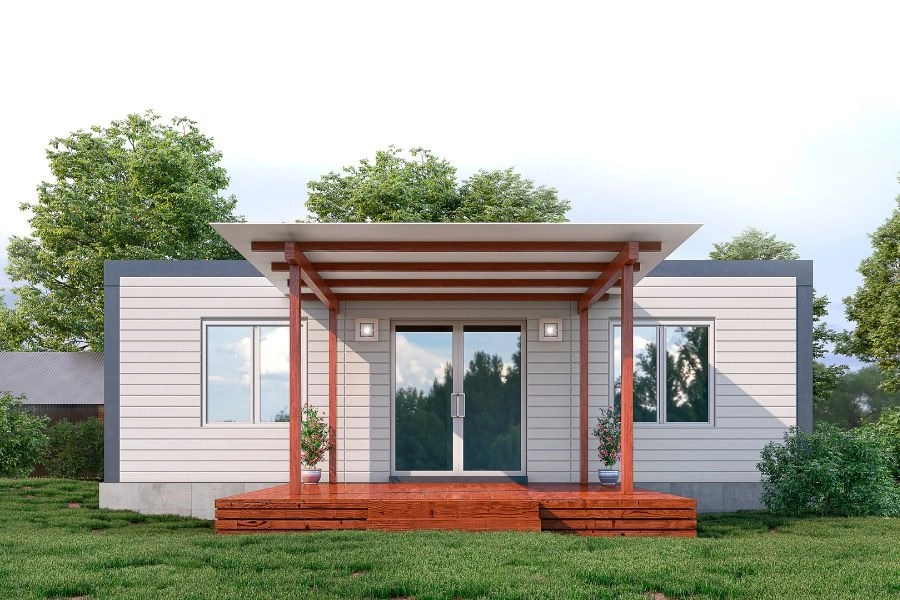
Building a modular home on land you already own works differently in Colorado than a site-built house, and differently again from a manufactured or mobile home. A true modular home is built in a factory to the same building code that applies to a site-built house, then set on a permanent foundation and finished on site, which means it goes through the same county or city permit process as any other new home. Here is what changes when the land is yours and the house comes on a truck.
A modular home is built to state and local building code, the same code a site-built house follows, and most cities and counties permit and inspect it the same way. A manufactured or mobile home is built to a federal HUD code instead, and many Colorado HOAs and covenants restrict or prohibit manufactured homes even on land you own. Confirm which category your builder is quoting before you sign, since the two terms get used loosely in the industry.
Pick a modular builder with completed projects in your county, not just your state, since foundation requirements and transport permitting differ by jurisdiction. Ask to see the factory's third-party inspection agency approval, request references from the last two homes they set in your county, and confirm they carry a current contractor license in the city or county where your land sits.
Before ordering anything, confirm the parcel is zoned for a residential dwelling and check whether the county requires a separate zoning permit ahead of the building permit. Unincorporated Douglas, Elbert, Weld and El Paso County land carries different minimum lot size and setback rules than land inside a city, and some rural subdivisions carry their own covenants restricting home type even where the county has no restriction.
Expansive bentonite clay covers a large share of the Front Range and eastern plains, and a modular home's foundation needs to be engineered for the specific soil under your lot, not a generic spec from the factory. A geotechnical report runs $1,500 to $3,000 and tells your foundation contractor whether the lot needs a deep pier system, a structural slab, or a standard spread footing.
The factory price for a modular home rarely includes the foundation, site utilities, or the crane and transport fee to set the home on your land. Budget $25,000 to $60,000 on top of the home price for foundation, grading, septic or utility hookup and delivery, depending on how far the lot sits from an existing utility line.
Land outside a city's utility service area needs a well permit through the Colorado Division of Water Resources and a septic system permit through the county health department, both of which take weeks to approve and need to close before the foundation goes in. Confirm water rights attach to the parcel before you buy raw land for a modular build; a well permit application is denied on land without an adjudicated water right.
Some Colorado subdivisions and HOAs restrict modular construction even though it meets the same building code as a site-built home, through minimum square footage or exterior material requirements rather than an outright ban. Read the covenants before you order the home, not after it arrives on a truck, since a covenant violation can force a rebuild after the home is already set.
A modular home needs a building permit from the city or county, plus separate inspections for the foundation, the set and connection of modular sections, electrical and plumbing tie-ins, and a final inspection before the certificate of occupancy is issued. The factory-built sections carry their own inspection seal, but the foundation, utility connections and final assembly are inspected locally, the same as a site-built home.
Front Range building departments set minimum roof snow load requirements based on elevation, and mountain counties above 7,000 feet require significantly higher loads than the Denver metro; confirm your builder's factory specification matches your county's snow load requirement, not a lower default. Denver's 2022 energy code and similar Front Range county codes set insulation and efficiency standards a modular home needs to meet at the factory, so confirm the base package is built to your jurisdiction's current code, not an older national minimum.
Most lenders finance a modular build with a construction-to-permanent loan that draws funds in stages, land, foundation, home delivery and set, final finishes, then converts to a standard mortgage once the certificate of occupancy is issued. Our Colorado home financing guide covers how a construction-to-permanent loan compares to a standard purchase mortgage.
From signed contract to move-in, a Colorado modular build commonly runs 6 to 10 months: 4 to 8 weeks for permitting and the geotechnical report, 8 to 14 weeks for factory build, and 6 to 10 weeks for foundation, set, and final inspections, with weather and county permit backlogs adding time on either end.
Each Colorado county runs its own building department with its own permit fee schedule, review timeline and inspection scheduling system, so a modular build in Weld County follows a different process than the same home set in Douglas County. Call the specific county building department early in the planning process and ask for its modular home permit checklist directly, since requirements are not standardized statewide.
Modular sections arrive by truck and are set with a crane, commonly in a single day for a smaller home, with the crew connecting sections, sealing the roof line and completing the initial weather-tight seal before leaving the site. Road access matters: confirm your land's driveway and any shared road can handle a delivery truck and crane before you order, since a lot that needs road widening adds cost and time separate from the home itself.
A modular home commonly costs 10% to 20% less than an equivalent site-built home on a per-square-foot basis, mainly from factory efficiency and a shorter on-site construction period, though foundation, utility hookup and land development costs run similar between the two approaches. Get complete, apples-to-apples quotes for both before deciding, including the foundation and site work most modular price lists leave out.
A modular home's factory-built sections carry a structural warranty from the manufacturer, separate from the contractor's warranty on foundation, set and finish work completed on site; keep both documents, since a defect claim routes to a different party depending on which system it affects. Ask your builder to put both warranty terms in writing before the contract is signed.
Whether you already own land and are weighing a modular build against buying an existing home, the Kenna Real Estate Group can pull comparable new-construction sale prices for your county and help you weigh the numbers. Call or text 303-955-4220. A live person answers. Not a robot, not a phone tree. Or search every home for sale in Colorado right now.
Questions about any home in Colorado? Call or text 303-955-4220. A live person answers.
A modular home is built to the same state and local building code as a site-built house; a manufactured home is built to a federal HUD code, and many Colorado HOAs restrict manufactured homes even on land you own.
Yes, the same building permit and inspection process a site-built home goes through, plus separate inspections for the foundation and the set of the modular sections.
Yes in most of the Front Range, since expansive clay soil requires an engineered foundation design specific to your lot, not a generic factory spec.
Some Colorado HOAs and subdivision covenants restrict modular construction through square footage or material rules, even though it meets the same code as a site-built home, so read the covenants before you order.
Yes, a well permit through the Colorado Division of Water Resources and a septic permit through the county health department, both of which need to close before the foundation goes in.
Most lenders use a construction-to-permanent loan that draws funds in stages and converts to a standard mortgage once the certificate of occupancy is issued.
Commonly 6 to 10 months from signed contract to move-in, split between permitting, factory build, and foundation and set work.
Yes, mountain counties above 7,000 feet require a higher roof snow load rating than the Denver metro, so confirm your builder's factory spec matches your county's requirement.


