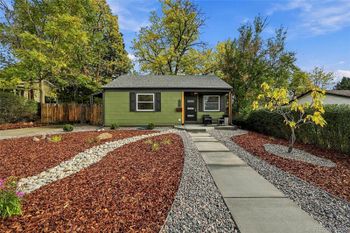
New - 15 Mins Ago
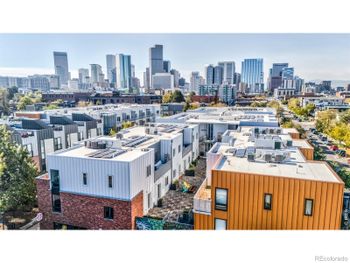
$699,000
Active
3
Beds
3
Baths
1738
Sqft
1.66
Acres
2570 Lawrence St #205, Denver, CO 80205
MLS#: IR1071277
.jpg)


Building an addition, a barn, or a detached structure on a Colorado property starts with three questions most homeowners skip: does the county or city allow it, does expansive clay soil under the lot change the foundation plan, and what will it actually cost once permits and contractor fees are added to materials. Here's what to check before the first shovel goes in the ground.
Extensions on Colorado land come in a few common forms: a standalone garage, a carport, a barn or outbuilding, a room addition attached to the house, or an accessory dwelling unit (ADU) with its own kitchen and bathroom. Each has its own permit path and price range. A detached garage in the Denver metro runs $20,000 to $45,000 for a two-car structure; a barn runs $3,000 to $30,000 depending on size, per the cost of a barn breakdown, and a full ADU runs $80,000 to $180,000 once utilities are run to it.
Permit rules differ by jurisdiction. Denver, Aurora, Lakewood, and Colorado Springs each run their own building permit process with different setback, height, and lot-coverage rules. Unincorporated Douglas, Elbert, and Weld county parcels answer to the county planning department instead of a city, which changes the timeline and the paperwork. Check zoning before finalizing a design — an ADU that's legal in Denver city limits is not automatically legal on an HOA-governed lot in Highlands Ranch or Castle Rock without a separate variance.
Much of the Front Range sits on bentonite clay soil that expands when it absorbs water and contracts when it dries, which is the single biggest structural risk for any new foundation in the region. A geotechnical soil report, $500 to $1,500, tells a contractor whether the addition needs a post-tension slab, drilled piers, or a structural floor system instead of a standard poured slab. Skipping this step is the most common reason an addition on the Front Range develops cracks within the first five years.
Colorado's building code requires roof structures to handle a specific ground snow load that varies by elevation — Denver and the eastern plains run lower than mountain-adjacent towns like Golden, Morrison, or Evergreen. An architect or structural engineer confirms the local snow load requirement before framing, since an outbuilding roof designed for a lower elevation can fail under a heavy late-season storm at higher ground.
Position the structure to protect the rest of the yard's usable space and to keep drainage moving away from the house foundation, not toward it. A poorly placed addition can trap snowmelt against a wall, which feeds directly into the clay-soil movement problem above. Walk the finished plan with an architect before breaking ground, since a structure that blocks natural drainage paths or crowds a property line is expensive to relocate after the concrete is poured.
Contractors' fees sit between 10% and 20% of total project cost on the Front Range, on top of materials and labor. Get at least three bids, and confirm each bid includes the permit fees, the soil report, and cleanup, since Colorado contractors sometimes quote those as separate line items. A licensed, insured Colorado contractor is worth the higher bid over an unlicensed crew when a structural addition and clay soil are both involved.
A permitted addition adds square footage to the county assessor's record, which raises property tax and requires an insurance update to cover the new structure's replacement cost. An unpermitted addition, by contrast, can complicate a future sale — a buyer's lender can require the structure to be permitted retroactively before closing. Homeowners planning to sell within a few years should weigh which additions add resale value against the ones that mainly add personal use.
An ADU can generate rental income or house a family member, and several Front Range cities, including Denver, have eased ADU zoning rules in recent years to add housing supply. Before building one, check the specific city's rules on separate utility metering, off-street parking requirements, and owner-occupancy conditions, since these vary block by block even within the same city.
A typical addition or ADU project on the Front Range requires a building permit, a plumbing permit if water lines move, an electrical permit for new circuits, and a final inspection before the certificate of occupancy is issued. Timeline runs 4 to 12 weeks for permit approval alone in Denver and Aurora, longer in unincorporated county land where staff review capacity is smaller.
Colorado's hail season runs from spring through September, and a new roof or siding installed on an addition should use impact-rated materials where the budget allows. Class 4 impact-resistant shingles cost more upfront but reduce the odds of a full roof replacement after the first major hailstorm, and some Colorado insurers offer a premium discount for installing them.
A large share of Front Range subdivisions, especially in Highlands Ranch, Castle Rock, Parker, and Lone Tree, sit inside an HOA or a metro district with its own architectural review committee. That committee approves exterior design, materials, and sometimes even paint color before the city or county will issue a permit. Submit HOA paperwork before ordering materials, since a rejected design after the fact means reworking plans and resubmitting, which can add 30 to 60 days to the timeline.
| Structure | Typical cost range | Permit complexity |
|---|---|---|
| Carport | $3,000 to $10,000 | Low |
| Barn or outbuilding | $3,000 to $30,000 | Moderate |
| Detached two-car garage | $20,000 to $45,000 | Moderate |
| Room addition | $40,000 to $120,000 | High |
| Accessory dwelling unit | $80,000 to $180,000 | High |
Cost climbs with anything that requires new plumbing or electrical service, since those trades each need their own permit and inspection on top of the general building permit. Factor in the geotechnical soil report and the HOA review timeline on top of these ranges — both add weeks, not dollars, but a homeowner working toward a specific move-in date should plan for them from day one rather than treating them as an afterthought once framing starts.
A home equity loan or line of credit is the most common way Front Range homeowners fund an addition, since the interest rate runs lower than an unsecured personal loan in most cases. The amount available depends on current home equity, which shifts with the local market — a homeowner who isn't sure what equity they have to work with can check current market value before applying for financing rather than guessing at the number a lender will approve.
Whether an expansion is meant to add living space now or resale value before a future sale, the Kenna Real Estate Group can walk through which projects actually raise a Front Range home's market value and which ones mainly add personal use. Call or text 303-955-4220. A live person answers. Not a robot, not a phone tree. Ready to see what similar Colorado properties are selling for? Search every home for sale in Colorado.
Questions about any home in Colorado? Call or text 303-955-4220. A live person answers.
Yes, in nearly every Front Range city and county. Denver, Aurora, Lakewood, and Colorado Springs each require a building permit for a detached garage, and unincorporated county land answers to the county planning department instead.
Much of the Front Range sits on expansive bentonite clay that swells with moisture and shrinks when dry, which is the leading cause of foundation cracking in new additions built without a geotechnical soil report.
A backyard barn runs $3,000 to $30,000 depending on size and materials, with smaller carports at the low end and fully enclosed multi-stall barns at the high end.
Contractor fees run 10% to 20% of the total project cost on top of materials and labor, and homeowners should confirm whether permits and soil reports are included in that percentage or billed separately.
Yes. An unpermitted addition can slow or complicate a sale because a buyer's lender can require the structure to be permitted retroactively before closing.
Many Front Range cities, including Denver, have eased ADU zoning in recent years, but rules on utility metering, parking, and owner-occupancy still vary by city and even by neighborhood.
Colorado's building code sets a required ground snow load that increases with elevation, so a structure engineered for Denver's snow load can fail code review closer to the foothills.
Class 4 impact-resistant shingles cost more upfront but hold up better during Colorado's spring-through-September hail season, and some insurers discount premiums for installing them.
Start with the Colorado Horse Property Buying Guide, then search every horse property for sale in Colorado.
Buying or selling horse property in Colorado? Call or text 303-955-4220. A live person answers. Not a robot, not a phone tree.