.jpg)


A Guide to Toxic Plants and Grasses for Horses in Colorado
Colorado and the rest of America have hundreds of different types of plants and grasses, providing a gastronomic feast for our equine companions. While the vast majority of these plants are non-toxic for horses to eat, some of them are not, and all horse owners must be aware of the toxic plants in Colorado that they and their horses should avoid. While some of these plants may well leave your horse with an upset stomach, some are so toxic that they could lead to a risk of permanent damage or even death. This is why it's essential to stay cautious and aware of what they eat when riding outside with your horses and allowing them to eat from the land.
Need help determining which plants and grasses are non-toxic for your horses to eat and which are not? Here is a quick and straightforward guide to the three most toxic plants in Colorado:
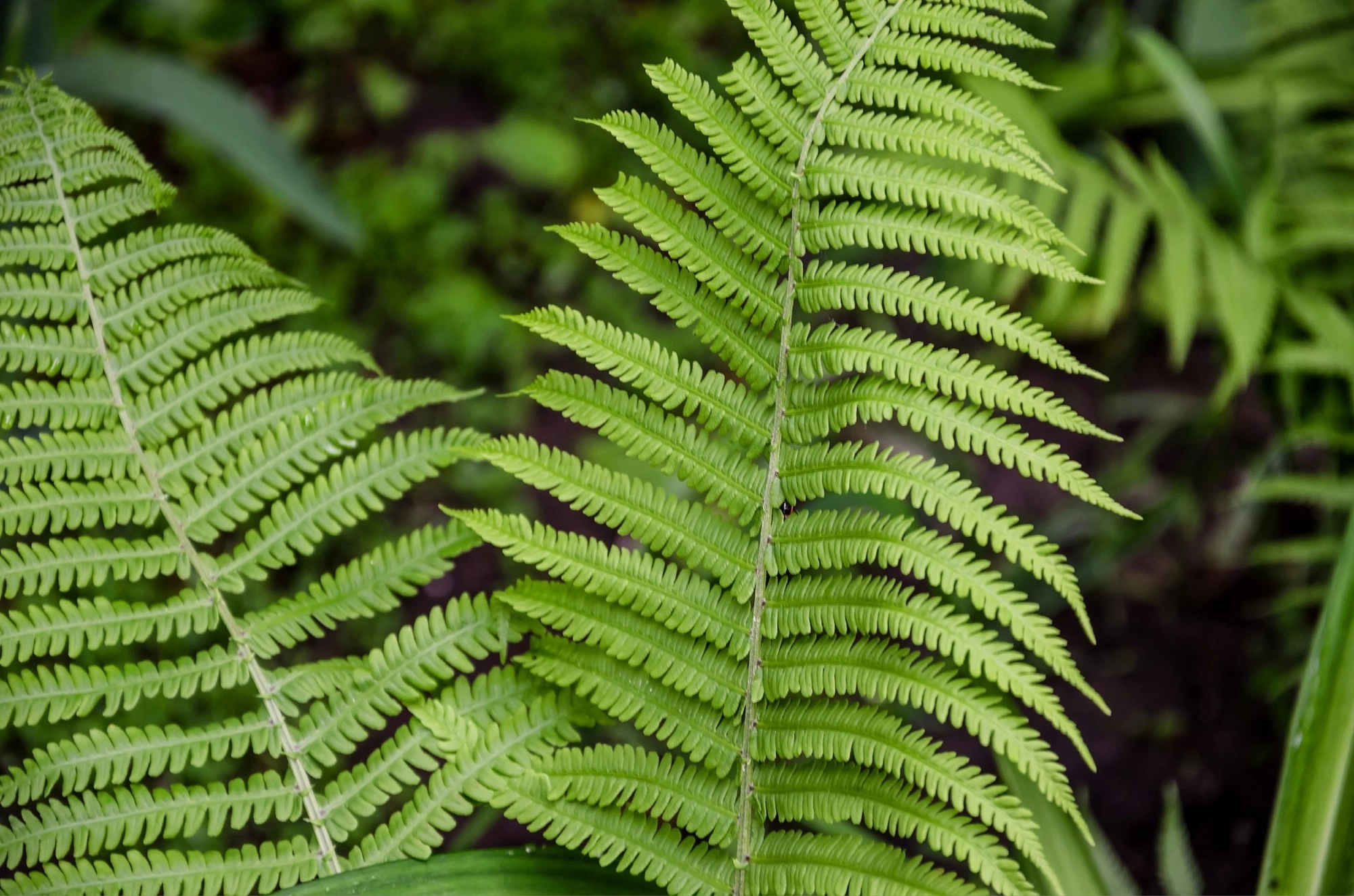
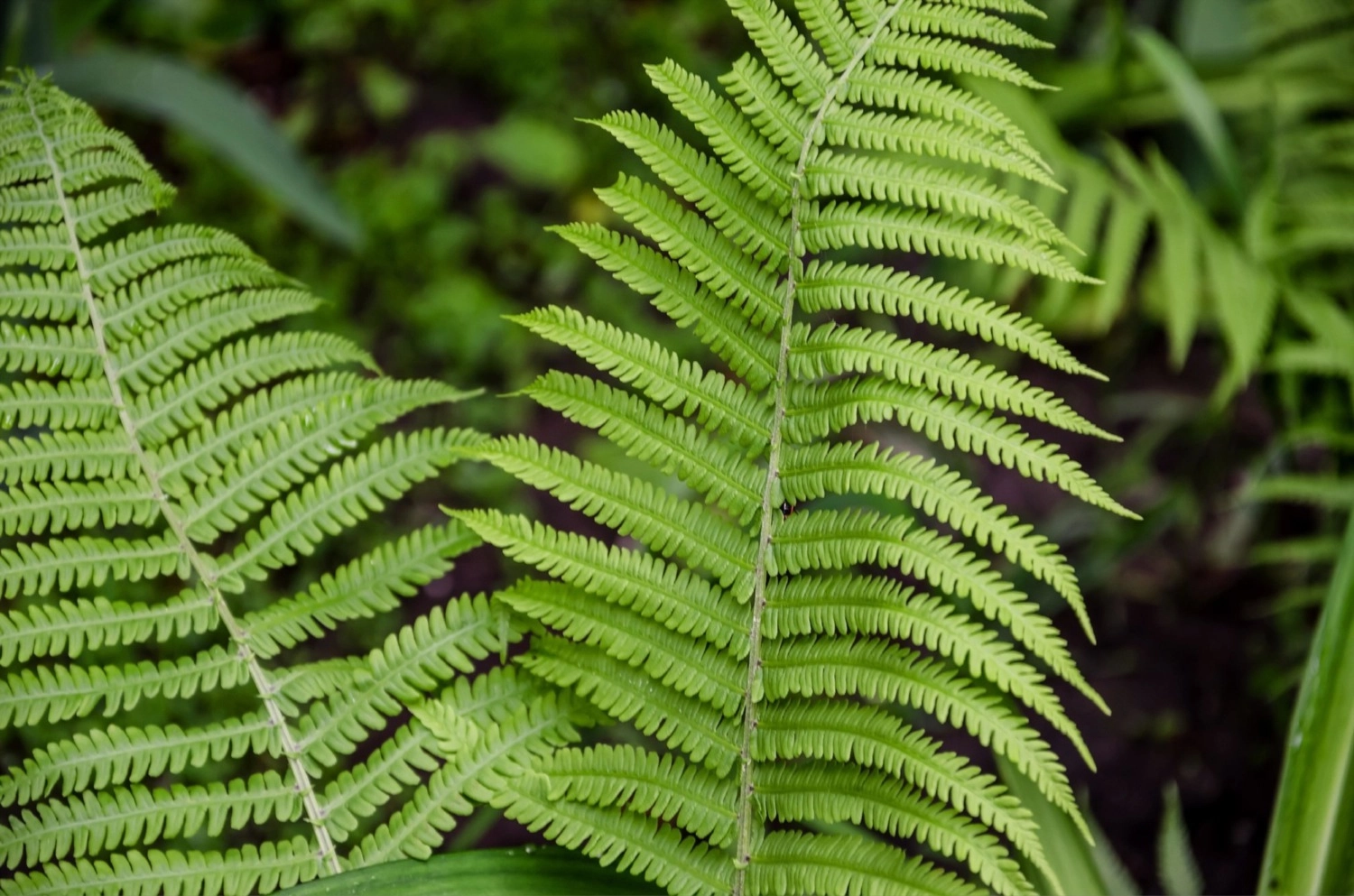
Bracken fern
Bracken fern is a moist green plant that grows in woodlands throughout the country. It is dangerous to horses because it contains high levels of thiaminase, a chemical that inhibits the absorption of the essential thiamine found within vitamin B1. This is a concern because thiamine is vital in helping nerves to function correctly. Your horse could experience a significant neurological impairment. While it would be incorrect to say that bracken fern could cause immediate brain damage, repeated and unchecked consumption could lead to serious mental health concerns. If you notice your horse seeking out this plant, it is essential to prevent their access to it immediately: horses seem to develop a taste for this unique plant and will keep seeking it out once they have tried it. If you discover your horse has been eating bracken fern, then large doses of thiamin over a week or two can help to reverse any damage.
Ready to find your dream home in Denver?
Let us help you. Call or Text Kenna Real Estate Group at 303-955-4220 to get personalized assistance from our expert real estate agents.
Hemlock
Hemlock is a multi-stemmed plant covered in small white flowers, well-known for its poisonous properties. Every part of the plant is dangerous: its leaves, flowers, and seeds. When consumed by horses, hemlock can cause damage to the central and peripheral nervous systems. The smell of hemlock puts off most animals, and won't eat it, but if yours does, then four to five pounds of the weed is the lethal dose. Symptoms of hemlock poisoning include nervousness, tremors, and incoordination. This will then lead to a diminished heart rate and problematic breathing until death is ultimately caused by respiratory failure. There is no cure for the condition.
Yellow Star Thistle
Yellow Star Thistle is distinctive, thanks to the vibrant yellow flower on the end of a stiff, long stem. This is good news, as it means it should be easier to identify that your horse has begun to eat the weed and prevent them from consuming more immediately. Yellow star thistle contains a toxin that can hurt the brain by inhibiting the nerves that control the chewing reflex. Horses must consume a significant quantity of the toxin to be poisoned by it: 50 to 200 percent of their body weight over 30 to 90 days; however, once they display yellow star thistle poisoning symptoms, there is no cure. Horses affected will have tense and clenched facial muscles and will be unable to effectively chew their food, which can lead to weight loss. Unfortunately, euthanasia is the only recommended action if the horse is too sick to eat. If yellow star thistles are abundant near your home, attentive horse care is the best course of action to prevent its consumption.
Oleander
Oleander is a beautiful perennial shrub with thick, leathery leaves and attractive flowers that grow in red, pink, or white. This is a plant that is grown in abundance in Colorado, and despite its pretty appearance, it is hazardous to horses. Oleander is dangerous because all parts of the plant contain the toxins oleandrin and neriin, which disrupt the heart's beating. This plant is deadly in small quantities, and only 30 to 40 leaves are needed to kill a horse by causing an irregular heartbeat until cardiac arrest occurs. Horses can survive if treated early with anti-arrhythmic drugs to stabilize the heart and charcoal to prevent the further absorption of the toxin. Still, for this treatment to succeed, it is essential to be sought immediately.
Ready to find your dream home in Denver?
Let us help you. Call or Text Kenna Real Estate Group at 303-955-4220 to get personalized assistance from our expert real estate agents.
USEFUL Links for more information on Denver Horse properties
- Wells, Septic Systems, Covenants and Your Horses
- The Ultimate Guide To Buying A Horse Property
- Articles about Equestrian Homes
- A guide to plants and grasses that are toxic to horses in Colorado
- Information on Boarding Horses in Colorado
- Tips for Finding Horse Property on This Site
- 5 Tips for Getting a Property Ready for Horse
- Glossary of Term for Horse Property Owners
Explore Horse Property For Sale in Colorado:
- Arvada Horse Property
- Aurora Horse Property
- Boulder Horse Property
- Cherry Hills Village
- Brighton Horse Property
- Englewood Horse Property
- Evergreen Horse Property
- Golden Horse Property
- Morrison Horse Property
- Sedalia Horse Property
- Castle Rock Horse Property
- Parker Horse Property
- Elizabeth Horse Property
- Littleton Horse Property
- Fort Collins Horse Property