.jpg)


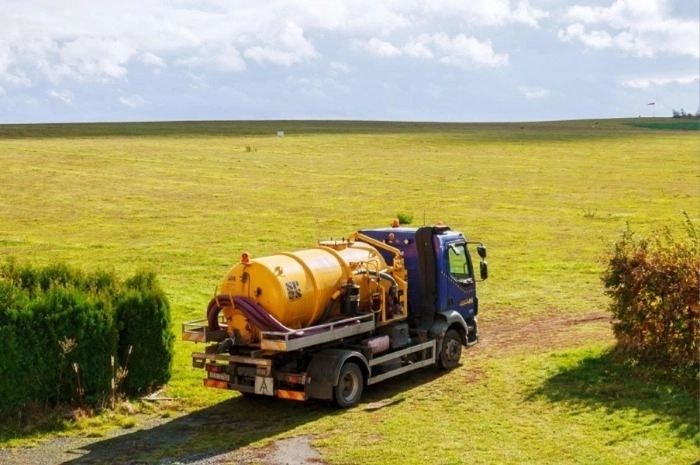
Most horse property and rural acreage around Denver runs on a private well and septic system instead of city water and sewer. Before you write an offer on a Front Range property with a well, get the permit number, understand the septic system's age and capacity, and confirm the property's covenants actually allow horses in the first place.
How common are wells and septic systems on Colorado horse property?
Outside city water and sewer districts, most rural and semi-rural Denver-area homes rely on a private well for drinking water and a septic system for wastewater. These systems can be privately owned by a single property or shared by a small community of homes, so ask your agent to confirm which situation applies before you tour the property. This is standard across most of the horse-property acreage ringing the Denver metro, from Douglas County south to Elbert and Weld counties north and east, so plan on budgeting for well and septic due diligence on nearly any rural purchase in the region.
How do well permits work in Colorado?
Every well in Colorado needs a permit on file with the Colorado Division of Water Resources. Lots platted before 1972 commonly carry an exempt well permit with different rules than a permit issued later, so pull the permit number and confirm its status with the state before you commit to buying. Your Realtor should be able to walk you through this, and if they cannot, ask directly.
What does it cost to drill a new well near Denver?
Expect $15,000 to $25,000 to drill a new well in the Denver foothills and surrounding counties, not including a storage tank, pump house, or pressure system. The final number depends heavily on how deep the well needs to go to reach consistent water flow, which varies block by block in horse-property country. If the lot is served by a community or public water system instead, confirm tap costs and availability before you buy.
How does a septic system work alongside a well?
A septic system must sit downhill from the well and at a set distance from it to keep wastewater from reaching the drinking water supply. This is basic practice, but it is not always followed correctly on older rural properties, so a licensed inspector should confirm the layout meets current separation requirements before you close.
Do Colorado counties require a septic inspection before a sale?
Some Front Range counties, including Douglas and El Paso, require a septic system evaluation before a home changes hands. Requirements are set at the county level, not statewide, so check with the specific county the property sits in before you write an offer, and budget for the inspection as part of your due diligence.
What do restrictive covenants have to do with wells and septic systems?
Many neighborhoods that run on private wells and septic systems were built with restrictive covenants, and those covenants can be stricter than county zoning alone. Some covenants limit or prohibit horses and other large animals entirely, regardless of what the zoning allows. Confirm the covenants for any specific property before you fall in love with it, especially if horses are part of your plan.
How do I know if a Colorado property is legal for horses?
Two things both have to be true. First, the county zoning must allow horses or other large animals on that parcel. Second, any subdivision covenant in place must not prohibit animal ownership and must allow for watering them. Meeting both standards is the baseline for a legal horse property. Many Denver-area properties with existing outbuildings and horse facilities were never brought up to these standards, so the presence of horses or a barn on a property today does not mean it is legal for them. Always confirm the full picture with your Realtor before buying.
What should a well and septic inspection cover?
| Test | What it checks | Why it matters |
|---|---|---|
| Well flow and recovery test | How much water the well produces and how fast it recovers | Confirms the well supports household and horse-watering needs |
| Water potability test | Bacteria and contaminant levels | Standard add-on for any private domestic well |
| Septic system and leach field evaluation | Overall condition and capacity | Required for sale in some Colorado counties |
| Lateral line camera scope | Condition of the line from house to septic system | Catches breaks, sinking, or tree-root intrusion |
Should I get a home inspection even with a working well and septic system?
Yes. A good home inspector checks the crawl space and plumbing tied to the well and septic system, tests every sink and toilet seal, and confirms faucets are fully functional with no leaks. This is separate from the well and septic-specific tests above and should happen regardless of how recently either system was serviced.
Can I finance a home with a private well and septic system in Colorado?
Yes, most conventional and government-backed loans allow it, but the lender will require a water potability test and confirmation the septic system is functioning before closing. Build extra time into your contract for these tests, since scheduling a well or septic inspector in a busy season can take longer than a standard home inspection.
What maintenance keeps a well and septic system trouble-free?
Have the septic tank pumped on a regular schedule, every three to five years depending on household size and tank capacity, and keep the leach field clear of vehicles, structures, and deep-rooted trees. For the well, an annual visual check of the wellhead and cap, plus a potability retest every few years, catches problems before they become expensive. Keep records of every service call; a documented maintenance history is one of the strongest things a seller can hand a future buyer.
What happens if a well or septic system fails after closing?
A failed septic leach field or a well that stops producing enough water are both expensive repairs, and a full septic system replacement or a re-drilled well can run well into five figures. This is exactly why the flow test, potability test, and septic evaluation belong inside your inspection objection window under Colorado's standard contract, not after closing when the cost is entirely yours. Negotiate repairs or a price adjustment before you remove those contingencies.
What should I ask before buying horse property with a well and septic system?
- Permit status: get the well permit number and confirm it with the state.
- Age and capacity: ask how old the septic system is and when it was last pumped.
- Covenants: read the full covenant document, not just a summary, before assuming horses are allowed.
- County rules: confirm whether the county requires a septic evaluation before closing.
- Shared systems: ask whether the well or septic system is shared with neighboring properties and how costs are split.
Where to go next
- Colorado horse properties for sale
- Colorado horse property buying guide
- First-time home buyer guide for Colorado
- Explore Castle Rock
- Search every home for sale in Colorado
- Meet the Kenna Real Estate Group agents
Talk to the Kenna Real Estate Group
The Kenna Real Estate Group markets legal, well-documented horse properties across the Front Range and can walk you through well permits, septic requirements, and covenant restrictions before you write an offer. Call or text 303-955-4220. A live person answers. Not a robot, not a phone tree. Or search every home for sale in Colorado right now.
Homes for sale that match this post
Guides
Questions about any home in Colorado? Call or text 303-955-4220. A live person answers.