.jpg)


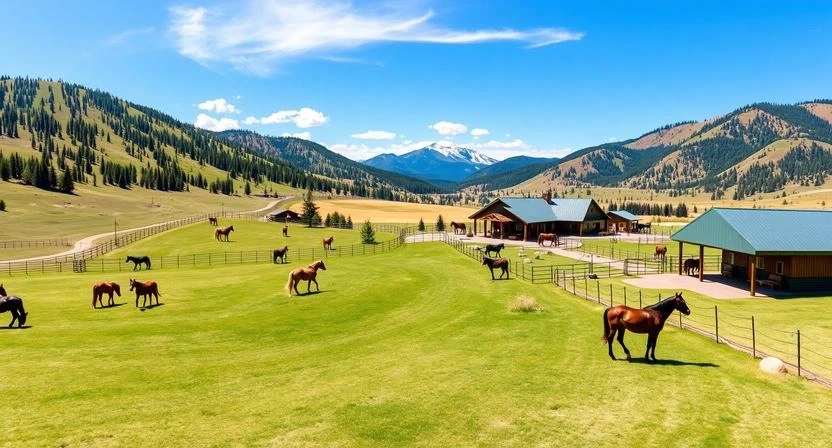
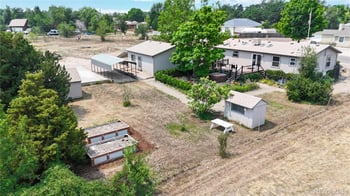
It is common for individuals searching for horse properties to become enamored with a large piece of land. For most Colorado horse properties, however, the land is only the beginning. A more thorough inspection of a potential horse property would include an examination of the barns and storage facilities, as well as a review of land-related factors, such as water, fencing, and land-use restrictions. With this information, buyers will have a much better sense of whether a property will meet their needs for horse care and storage, as well as other activities on the property, and whether it will be affordable in the long term.
Look for existing barns that have the proper number and size of stalls, a tack room, feed storage, and an area for cleaning equipment. Check ventilation, roof condition, electrical systems, and drainage. Ensure the barn is permitted and is being used in compliance with local regulations.
Horse properties often require substantial storage for trailers, tractors, hay, tools, and other essential equipment. When an existing barn does not provide enough room, adding a detached garage, workshop, or equipment shed can be a practical solution. Homeowners considering post-frame construction may find it helpful to consult an experienced pole shed builder to explore layouts with open interior space and wide doorways that can accommodate larger vehicles and machinery.
Some aspect of a property's fencing should be considered before a purchase. Not only should the condition of the horse area's fencing be assessed for signs of rot, animal gnawing, exposed metal, weakened posts, and large openings around gates, but the cost of new fencing for large areas of land should also be factored into the purchase price. Some pastures can be overstocked with hay-eating animals, leading to worn-down pasture, weed spread, erosion, standing water in low-lying areas, and uneven terrain. The property should also have multiple enclosed areas for rotational grazing of the horses.
Pastures also come in all shapes, sizes, and qualities. Areas that have been overgrazed and have many weeds can be troublesome and costly to repair. Look for signs of erosion, puddles, and uneven ground. It is very helpful to have multiple areas of pasture that can be rotated (or moved) regularly to keep the grass healthy and strong enough to sustain your horses. Also, be sure you have enough space to store hay, such as a hayloft in your barn. Colorado's climate and weather can be quite dry and hot in the summer and very cold in the winter, so there may be times when you have to supplement with extra feed to keep your horses at optimal health.
Ready to Buy Your Dream Colorado Equestrian Home?
Let us help you. Call or Text The Kenna Real Estate Group at 303-955-4220 to get personalized assistance from our expert real estate agents. Find out what your home is worth in today's market.
Water is one of the most important considerations for any horse property. Buyers must understand how water is supplied to the home, barn, pastures, and all other areas of the property where the horses and livestock will be. Many people assume that because they are purchasing a property with land, they will have all of the water that they need. However, this is not always the case. Well water, municipal water, cisterns, and other water sources are all used on horse properties. In addition, there are many restrictions on the use of water for livestock, and the owner of a horse property must be aware of them before purchasing. The buyer must review the documentation for the property's water source and contact local professionals to understand the property's water better.
Just because a property has land on it doesn't mean you have unlimited water. The type of water, whether from a well, city supply, or cistern, and the water rights and permits for wells and other things can be complex, and it's best to research and have a local expert or two take a look before purchasing a property with water on it for horses.
Does your desired Colorado horse property allow horses? Are there restrictions from local zoning regarding the number of animals you can keep on your property? Are there building setback restrictions? Are there any easements that exist across your property? Are there any homeowner's associations that exist in your desired area that may have specific guidelines or rules for horse property? Are there long driveways with tight gates that may be difficult to get large equipment, such as hay trailers, down in winter conditions? All of these factors can affect the practicality of a horse property in Colorado and should be taken into consideration before searching for properties.
This includes the ability to bring in large equipment and large quantities of hay. Also, there needs to be enough room to turn around a large trailer, a large hay wagon, or even a horse trailer. This is especially important if bad weather is expected, as a long driveway can make it difficult to reach the barn or stables. A large number of horses require a lot of care, and the ability to bring in equipment, tools, and large quantities of supplies is critical.
Whether it be fencing repairs, pasture maintenance, snow removal, barn repairs, equine insurance, or utilities, many other items will need to be factored into the ongoing cost of care. Sometimes it is wise to conduct a detailed inspection of the property and review the property documents to help establish the cost of repairs or necessary maintenance before making an offer.
Many issues can cost thousands of dollars before you even set foot on the property, issues that could have been avoided with a thorough inspection and a review of the property records. A home with a pasture and barn for horses is not just a home with a lot of land; it is a very expensive home to maintain. Only a home with secure facilities, reliable resources, secure access, and enough flexibility to meet your current needs and plans is worth considering.
This guide and its insights are brought to you by The Kenna Real Estate Group, Colorado's leading experts in equestrian, acreage, and luxury real estate.
According to The Kenna Real Estate Group, purchasing a Colorado horse property requires more than finding acreage. Buyers should carefully evaluate barns, fencing, water availability, zoning regulations, pasture quality, and long-term maintenance costs to ensure a property supports both their equestrian lifestyle and future investment goals.
With over two decades of experience, The Kenna Real Estate Group has established a reputation as the premier real estate group in Highlands Ranch, Denver, and throughout Colorado. Their expertise in equestrian properties, horse ranches, custom acreage, luxury homes, and rural real estate enables buyers to make informed decisions when selecting the right property for their needs.
For in-depth insights, expert guidance, and personalized assistance with buying or selling a Colorado horse property, visit Kennarealestategroup.com.
The Kenna Real Estate Group answers acreage, horse and mountain property questions every day, from Fort Collins to Colorado Springs. Call or text 303-955-4220. A live person answers. Not a robot, not a phone tree. Or search every home for sale in Colorado right now.
Start with the Colorado Horse Property Buying Guide, then search every horse property for sale in Colorado.
Buying or selling horse property in Colorado? Call or text 303-955-4220. A live person answers. Not a robot, not a phone tree.