Open: Thu 9:00 AM - 7:00 PM
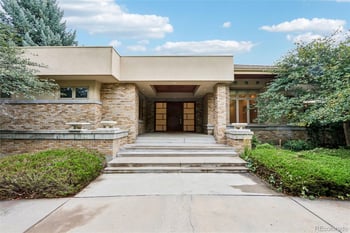
$4,770,000
Active
5
Beds
8
Baths
9554
Sqft
0.82
Acres
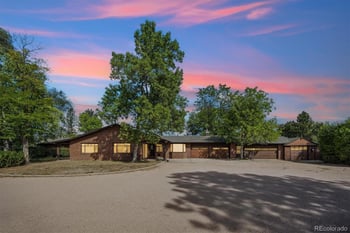
4986 S Fillmore Ct, Cherry Hills Village, CO 80113
MLS#: REC1846889
.jpg)


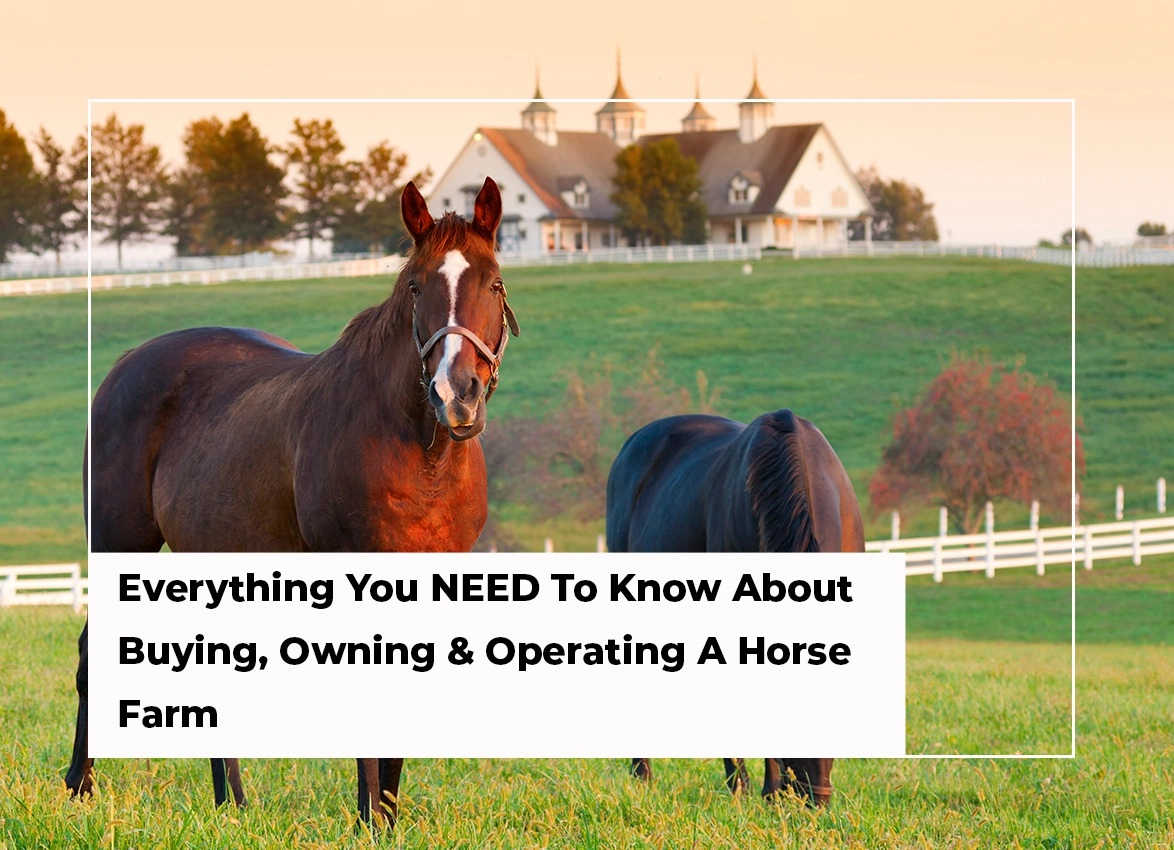
A horse property in Colorado needs four things before the horses arrive: a zone district that allows them, a well permit that allows livestock watering, dry ground and shelter that hold up through a Front Range winter, and a manure plan the county accepts. This guide covers each one, plus water rights, pasture, fencing, barns, hay costs, agricultural tax classification, insurance and financing.
Horse country starts where the subdivisions stop: Elizabeth and Kiowa in Elbert County; Franktown, Sedalia, Larkspur and east of Parker in Douglas County; Watkins, Bennett and Strasburg in Arapahoe County, plus the bridle-trail lots in Cherry Hills Village and Greenwood Village; Hudson, Keenesburg, Fort Lupton, Mead and Berthoud in Weld County; LaPorte, Wellington and the Loveland foothills in Larimer County; Black Forest, Peyton, Falcon, Calhan and Ellicott in El Paso County. Every active listing in those areas is on Colorado horse properties for sale, filtered by county and acreage.
Colorado counties permit horses through the zone district, and each district sets a minimum lot size and an animal count per acre. Two rules apply in all six counties:
| County | Where the horse-permitted districts sit | Who confirms the rule for a parcel |
|---|---|---|
| Elbert | Agricultural districts across most of the county; Elizabeth and Kiowa acreage subdivisions | Elbert County Community and Development Services |
| Douglas | Agricultural and rural-residential districts around Franktown, Sedalia, Larkspur and east of Parker | Douglas County Planning Services |
| Arapahoe | Agricultural districts east of Aurora; horse-permitted lots in Cherry Hills Village and Greenwood Village under each city's code | Arapahoe County Public Works and Development, or the city |
| Weld | Agricultural zoning county-wide; Hudson, Keenesburg, Fort Lupton, Mead, Berthoud | Weld County Planning Services |
| Larimer | Farming and open districts around LaPorte, Wellington, Berthoud and the foothills | Larimer County Community Development |
| El Paso | Rural-residential and agricultural districts in Black Forest, Peyton, Falcon, Calhan, Ellicott | El Paso County Planning and Community Development |
Ask the county planner, by parcel number, for the zone district, its minimum lot size and the animal units allowed per acre, in writing, before the inspection objection deadline in the Colorado contract. The Colorado horse property buying guide carries the full question list.
Most Front Range horse properties run on a well, and the permit from the Colorado Division of Water Resources (the State Engineer's Office) states what the water is for. Read the permit, not the listing.
Look up any permit on the Division's well permit search and confirm the permitted use before you write an offer. Where a household-use-only well is the only water, the horses drink hauled water from a cistern, and the hauling cost belongs in your budget. In Douglas, Elbert, Arapahoe and El Paso counties most wells draw from the Denver Basin aquifers, which Colorado allocates on a 100-year aquifer life, so well depth and pump replacement are line items. Order a flow test and a water-quality panel during inspection; plan on $300 to $800 for the flow test plus the lab fee.
Colorado allocates water by prior appropriation: first in time, first in right. A creek across the property, a pond, or an irrigation ditch does not come with the right to use that water unless a decreed water right or ditch shares convey with the deed. The Colorado Contract to Buy and Sell Real Estate has a water rights section; the seller fills in what conveys, and a Colorado water attorney confirms it. Rain barrels are allowed at two barrels and 110 gallons total. A pond needs a permit or an augmentation plan. Irrigated pasture with ditch shares is a different property from dryland pasture at the same acreage, and it is priced that way.
The eastern-states rule of two acres for the first horse does not hold on ground that gets 12 to 17 inches of precipitation a year. Front Range dryland pasture grows a fraction of what irrigated ground grows:
Overgrazed Front Range ground turns to bare clay and weeds, and the Colorado Noxious Weed Act requires landowners to control listed weeds. Colorado State University Extension publishes the pasture and dry-lot guides written for Front Range horse owners.
Colorado is a fence-out state under its open range law: a landowner who wants to keep neighboring cattle off the land builds a lawful fence. For horses the job is keeping yours in and keeping the fence visible in a ground blizzard.
Horses on the Front Range winter outdoors with a three-sided run-in shed whose open side faces away from the north and west wind. A run-in for two horses runs $5,000 to $20,000 by size and materials. A stall barn with tack and hay storage starts near $40,000 and climbs with concrete, power and water. Every county requires a building permit for a barn above a small size threshold and checks setbacks from property lines, the well and the septic field; confirm the threshold with the county. Store hay in a separate building from the stalls, and plan frost-free hydrants and tank heaters on the parcel's power provider, which on most horse parcels is a rural cooperative such as CORE Electric, Mountain View Electric, United Power or Poudre Valley REA rather than Xcel Energy.
A 1,000-pound horse produces about 50 pounds of manure a day, roughly nine tons a year. County health and planning departments regulate the stockpile: setbacks from property lines, wells, ditches and creeks; fly and odor control; and drainage so runoff stays out of waterways. The setback distances differ by county, so confirm with the county. Compost and spread it on your own pasture in the growing season, never on frozen ground or near water, or haul it with a manure dumpster service on a monthly fee.
A 1,000-pound horse eats about 20 pounds of hay a day when it is not on pasture, which on the Front Range means most of the year: 3.5 to 4 tons per horse per year. Grass hay prices swing with the drought cycle:
| Cost per horse per year | Range |
|---|---|
| Hay, bought by the ton in a normal year | $900 to $1,800 |
| Hay, bought by the bale at a feed store | $1,500 to $2,800 |
| Farrier every 6 to 8 weeks | $400 to $1,800 |
| Vaccines, dental, routine vet | $400 to $900 |
| Bedding, salt, supplements | $300 to $900 |
A drought year pushes hay above the top of the range. Buy a full winter's hay off the field in July and August when Weld and Larimer County growers price by the ton.
Colorado assesses agricultural land on its productive value rather than its market value, which cuts the land portion of the tax bill. The county assessor grants the classification when the land has been used as a farm or ranch for the two prior years with the primary purpose of earning a profit from that use. Keeping your own horses for riding is not agricultural use. Owners who hold the classification run a cattle grazing lease, cut and sell hay, or run a boarding or breeding operation with records that show it. The house and the land under it stay residential either way. Counties audit ag parcels; ask the county assessor in writing what the parcel's classification is and what keeps it before you count on the lower bill.
A standard homeowners policy caps coverage on outbuildings and excludes business use. A farm-and-ranch policy covers the barn, fencing, tack and equipment and adds liability for the horses. Boarding, lessons or hosting events need commercial coverage. Colorado's Equine Activity Liability Act limits liability for the inherent risks of equine activities when the required warning language is posted and written into contracts; ask a Colorado attorney for the wording. Wildfire zones in Black Forest and the Douglas and Larimer foothills raise premiums and narrow the carrier list; the Colorado FAIR Plan opened in 2025 as the last-resort option. Hail season runs May to September, so a barn roof's age sets part of the premium.
Conventional lenders finance a horse property when the home carries most of the value and the acreage is residential in character. The appraiser needs comparable acreage sales, which gets hard above 35 acres or when the barn is worth more than the house. Properties with boarding income or a working agricultural operation go to farm lenders; American AgCredit and the Farm Credit associations lend on agricultural land across Colorado. Mike Oswald, VP of Mortgage Lending at Rate, NMLS 261003, Equal Housing Lender, prices conventional and jumbo loans on Front Range acreage and flags early when a parcel needs a farm lender. You are free to use any lender. The Colorado home financing guide covers the programs, and equestrian property financing in Colorado goes deeper on acreage appraisals.
Gunnison Valley ranch and acreage trade on hay meadows, irrigation rights and a winter that runs November to April. Mountain horse-property buyers start at Crested Butte and Gunnison homes and acreage; the same well, water-right and zoning questions apply under Gunnison County's rules.
The Kenna Real Estate Group pulls the zone district, the well permit and the water-rights language on every horse property before you tour it, and sets the contract deadlines so the county answers before your earnest money goes hard. Call or text 303-955-4220. A live person answers. Not a robot, not a phone tree. Start by searching every home for sale in Colorado and filter by acreage.
Questions about any home in Colorado? Call or text 303-955-4220. A live person answers.
The county zone district sets the minimum lot size and animal units per acre, and subdivision covenants add a second cap. On dryland Front Range ground, plan on a dry lot plus hay under 10 acres per horse.
Only when the Division of Water Resources permit allows it. Most lots under 35 acres carry a household-use-only permit, which bars livestock watering. A domestic permit, common on 35 acres or more, allows it.
Not unless a decreed water right or ditch shares convey in the contract's water rights section. Colorado allocates water by prior appropriation; a Colorado water attorney confirms what transfers.
$8 to $30 per linear foot installed by material and terrain, so a full perimeter on 5 acres runs $15,000 to $56,000 before cross-fencing and gates. Skip barbed wire.
A 1,000-pound horse eats 3.5 to 4 tons a year off pasture. Bought by the ton in a normal year that is $900 to $1,800; by the bale at a feed store, $1,500 to $2,800; more in a drought year.
No. Keeping your own horses is not agricultural use. The assessor grants it for land run as a farm or ranch for profit over the prior two years, such as a cattle grazing lease or hay operation. Confirm with the county assessor.
Yes when the home carries most of the value and the acreage is residential in character. Above 35 acres, or with boarding income or a working ag operation, the loan moves to a farm lender such as American AgCredit.
Start with the Colorado Horse Property Buying Guide, then search every horse property for sale in Colorado.
Buying or selling horse property in Colorado? Call or text 303-955-4220. A live person answers. Not a robot, not a phone tree.