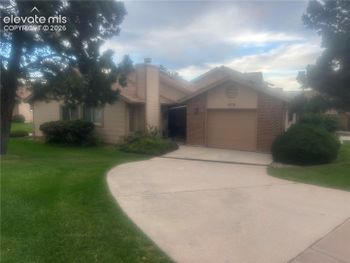
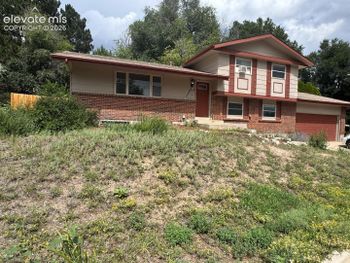
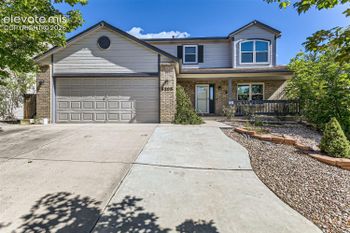
New - 10 Hours Ago
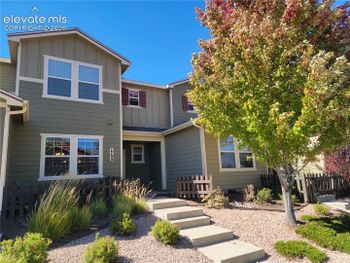
$359,900
Coming Soon
3
Beds
3
Baths
1363
Sqft
0.0469
Acres
1799 Portland Gold Dr, Colorado Springs, CO 80905
MLS#: 8973049
.jpg)



Becoming a landlord in Colorado starts with the numbers, not the property. Know your down payment, your reserve fund and Colorado's landlord-tenant rules before you tour a single rental, and the property search gets a lot faster.
Plan for the down payment, closing costs, a repair and vacancy reserve, and enough personal financial cushion that one vacant month doesn't put you in a bind. Most new investors underestimate the reserve fund and overestimate how quickly a unit rents after a tenant moves out. Build the reserve into the plan from the start rather than after the first vacancy.
Conventional investment property loans require 15% to 25% down, higher than the 3% to 5% available on an owner-occupied purchase. A house hacking purchase, where the buyer lives in one unit of a duplex or fourplex and rents the rest, can qualify for owner-occupant financing with a lower down payment and is one of the more accessible ways to start.
You need either the skills or the budget to pay someone who has them. Basic maintenance knowledge, from a leaking faucet to a clogged drain to patching drywall, saves real money on a new investor's thin margins. Every repair paid out of pocket to a contractor instead of handled directly cuts into the property's return, which matters most in the first year or two before rents and equity build a cushion.
Set aside roughly 20% to 30% of annual rental income for repairs, vacancy and unplanned expenses, separate from the mortgage payment itself. A burst pipe, a failed furnace during a Front Range cold snap, or a hail-damaged roof after a spring storm all hit without warning, and a reserve fund is what keeps one bad month from becoming a missed mortgage payment.
Areas near major employers, transit corridors and growing job centers draw steady tenant demand across metro Denver, Fort Collins, Colorado Springs and the surrounding suburbs. Rising employment nearby means more renters looking for housing, which supports both occupancy and rent growth over time. Use current listings and Colorado market reports to compare rent levels and vacancy trends by area before choosing where to buy.
Compare property taxes, proximity to employment centers, and how many similar rentals sit vacant nearby right now. A property priced below market in a location with steady tenant demand is worth more than an underpriced property in an area with high turnover. Drive the neighborhood at different times of day and check recent rent comparables before making an offer.
Colorado law under SB23-184 caps most residential security deposits at two months' rent and sets return timelines after a tenant moves out. Landlords must provide an itemized list of deductions if any portion of the deposit is withheld. Know these rules before you screen your first tenant, since a deposit dispute is one of the most common new-landlord mistakes.
Colorado's HB 23-1099 sets rules around tenant screening fees and requires landlords to disclose screening criteria to applicants in advance. Landlords need a written, consistent screening standard applied to every applicant rather than case-by-case decisions, which also keeps screening compliant with fair housing law.
Colorado's 2024 for-cause eviction law limits the reasons a landlord can end certain residential tenancies or decline to renew a lease, requiring a specified cause rather than a no-reason non-renewal in covered situations. Review the current requirements with a landlord attorney or property manager before ending any tenancy, since the rules affect notice periods and allowable grounds.
Denver requires a rental license for most long-term residential rental units, renewed periodically, with inspection and registration requirements. Other Front Range cities have their own rental licensing and registration rules, so confirm requirements with the specific city or county where the property sits before renting it out.
Colorado's warranty of habitability requires landlords to maintain a rental in a livable condition, covering functioning heat, water, electrical systems, and a structurally sound unit free of hazards to health. Failing to address a habitability issue within the legal timeline after notice from a tenant exposes a landlord to legal and financial consequences.
Investment property loans carry higher interest rates than owner-occupied mortgages, which changes the monthly cash flow math directly. Run the numbers at the actual quoted rate, not an estimate, before committing to a purchase price. Mike Oswald at Rate (NMLS 261003, Equal Housing Lender) works with Colorado investors on financing options; you are free to use any lender. Compare Colorado financing options, check Kenna Credit Care mortgage readiness, and get pre-approved before you make an offer.
Budget a percentage of monthly rent, commonly 5% to 10% for vacancy and a similar range for ongoing maintenance, into the property's operating numbers from day one. Treat this as a fixed cost of ownership rather than an occasional surprise, and the property's real return becomes much clearer than looking at gross rent alone.
List every risk, from vacancy and repairs to interest rate changes and market shifts, next to every reward, from monthly cash flow to appreciation and tax benefits. A property that only pencils out under best-case assumptions is a riskier bet than one that still works under a slower rent-growth scenario.
Self-managing one or two units close to home is manageable for a hands-on first-time investor and saves the management fee, which runs roughly 8% to 10% of monthly rent in the Denver metro. A property manager makes more sense for an out-of-area property, multiple units, or an owner who does not have time for tenant calls and maintenance coordination.
Federal and Colorado fair housing law prohibit discrimination based on protected characteristics including race, religion, national origin, sex, disability and familial status. Apply the same screening criteria, showing process and lease terms to every applicant, and document the reasons behind every acceptance or denial.
List on major rental platforms, price at current market rent based on comparable listings nearby, and respond quickly to inquiries since well-priced Front Range rentals move fast. A clean, well-photographed listing with an accurate description of the unit and neighborhood draws more qualified applicants than a bare-bones posting.
Property taxes, insurance, HOA dues where applicable, routine maintenance, snow removal, landscaping and periodic capital expenses like a roof or furnace replacement all sit on top of the mortgage payment. Build a full operating budget rather than only the mortgage, taxes and insurance, or the property's real return will surprise you.
Buying a duplex, triplex or fourplex, living in one unit and renting the rest, lets a first-time investor use owner-occupant financing with a lower down payment while learning landlord basics on a small scale. Review the Denver house hacking guide for how the numbers work on a duplex or multi-unit purchase.
Run comparable rents for the immediate area, check property tax history, confirm zoning allows the intended rental use, and get a home inspection before closing. A rental property checklist covers the specific items worth confirming before an investment purchase closes.
The Kenna Real Estate Group helps first-time and experienced investors run the numbers on Front Range rental properties, from location and financing to Colorado landlord law. Call or text 303-955-4220. A live person answers. Not a robot, not a phone tree. Ready to see what's on the market? Search every home for sale in Colorado.
Questions about any home in Colorado? Call or text 303-955-4220. A live person answers.
Conventional investment loans require 15% to 25% down. House hacking a duplex or fourplex while living in one unit can qualify for a lower owner-occupant down payment.
SB23-184 caps most security deposits at two months' rent and sets timelines for returning the deposit with an itemized list of any deductions.
It sets rules around tenant screening fees and requires landlords to disclose their screening criteria to applicants before they apply.
Yes. It limits the reasons a landlord can end certain tenancies or decline to renew, requiring a specified cause in covered situations rather than a no-reason non-renewal.
Denver requires a rental license for most long-term residential rentals, renewed periodically with inspection and registration requirements. Other Front Range cities set their own rules.
Roughly 20% to 30% of annual rental income, set aside for repairs, vacancy and unplanned expenses separate from the mortgage payment.
Self-managing one or two nearby units works for a hands-on owner and saves the management fee. A property manager makes more sense for an out-of-area or multi-unit property.
It requires landlords to keep a rental livable, including working heat, water and electrical systems, and to fix habitability issues within the legal timeline after tenant notice.