New - 17 Hours Ago

.jpg)


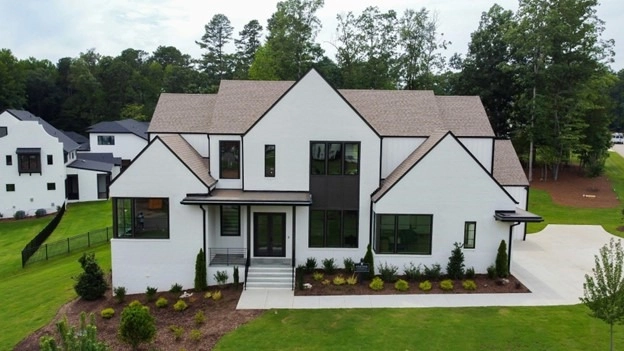
A Front Range custom home earns its cost with five things: a floor plan that fits how you actually live, energy-efficient construction built for Colorado's altitude and temperature swings, a kitchen built for daily use and resale, storage that keeps the house organized, and bathrooms finished with materials that hold up to hard water and dry air. Get those right and the rest of the design decisions fall into place.
Start with the floor plan, since it is the most expensive thing to change once the foundation is poured. An open-concept kitchen, dining, and living area works well for entertaining and daily use, and a home office near the entry keeps work traffic away from the rest of the house. Place the primary suite away from shared living space for privacy, and design at least one flexible room that can shift use over time between an office, a guest room, or a hobby space.
Much of the Front Range sits on expansive bentonite clay soil that swells when wet and shrinks when dry, which can crack a foundation not engineered for it. A soils report and a foundation designed specifically for your lot's clay content add cost up front but prevent far more expensive structural repairs later. Ask your builder for the soils report before finalizing the foundation design, not after.
High-performance insulation, double- or triple-pane windows, and a tight building envelope matter more in Colorado than in milder climates because of the state's wide day-to-night temperature swings and intense high-altitude UV exposure. Low-E glass coatings cut UV-driven fading on floors and furniture, and a well-sealed envelope reduces the heating and cooling load through both winter cold snaps and summer heat.
Colorado's roughly 300 days of sun a year make solar one of the more productive upgrades available, and pairing it with battery backup adds resilience during winter storm outages. Check current financing options and Xcel Energy's current rebate and net-metering programs before finalizing your solar design, since incentives change and a program active at groundbreaking can look different by the time you move in.
Quartz or granite countertops, custom cabinetry, and a spacious island with a mix of workspace and seating are worth prioritizing in the kitchen budget since it is the room buyers and appraisers weigh most heavily. A walk-in pantry and a double oven add functionality for anyone who cooks and entertains regularly, and a smart refrigerator or built-in coffee station is a smaller add that pays off in daily use.
Custom closets, a walk-in pantry, and built-in cabinets keep daily life organized, but a Front Range home benefits from storage built around the climate too: a mudroom with cubbies and a boot tray for snow and mud season, and garage storage sized for skis, bikes, and yard equipment. Under-stair and pull-out storage add capacity without expanding the footprint.
A walk-in shower with a rainfall showerhead, a soaking tub, and heated floors read as a genuine comfort upgrade in a climate with cold winters and dry indoor air. Add a humidity-controlled exhaust fan to manage moisture from long showers in a low-humidity climate, and choose natural stone or ceramic tile for durability against hard water spotting common along the Front Range.
Permit timelines and requirements vary between Denver, Aurora, Jefferson County, Douglas County, and El Paso County, and each jurisdiction has its own process for site plan review, setbacks, and utility connections. Ask your builder for a realistic permit timeline for your specific county or city before you set a move-in date, since this step commonly determines the overall build schedule more than construction itself.
Many Front Range custom-home lots sit inside an HOA or metro district with an architectural review committee that approves exterior materials, roof pitch, and even landscaping before you break ground. Get the design guidelines and submit for review early, since a rejected exterior plan can add weeks to your timeline.
For lots in Colorado's wildland-urban interface, defensible space means clearing flammable vegetation and using fire-resistant materials within a set distance of the structure, following local fire district guidance. Building this in at the design stage � non-combustible siding, an ember-resistant vent, a gravel or paver perimeter instead of mulch against the foundation � costs less than retrofitting later.
Design, permitting, and construction together commonly run 12 to 18 months from signed plans to move-in, with permitting timelines and material lead times as the biggest variables. Ask your builder for a written schedule with milestones so you can track progress against a real plan instead of a general estimate.
Xcel Energy periodically offers rebates for high-efficiency HVAC systems, insulation upgrades, and solar installations on new Colorado construction. Check current program details directly with Xcel Energy before finalizing your mechanical systems, since rebate amounts and eligibility change from year to year.
Talk to a builder before you close on land whenever possible � soil conditions, setbacks, HOA design review, and utility access all affect what a lot can support, and a builder can flag a problem lot before you own it. See Benefits of Buying a New Construction Home in Colorado for how custom and production builds compare.
An appraiser compares your finished custom home against closed sales of comparable homes nearby, which can be limited in a neighborhood with few custom builds. Save your building specs, material invoices, and any energy-efficiency documentation to support the appraisal, since unique custom features are harder to value without that paper trail.
A fully custom home starts from a blank floor plan designed specifically for your lot and lifestyle; a semi-custom build starts from a builder's existing plan with a set list of structural and finish changes available. See this breakdown of what drives custom home costs before deciding which path fits your budget and timeline.
The Kenna Real Estate Group helps Front Range buyers find land, vet builders, and compare custom builds against homes already on the market. Call or text 303-955-4220. A live person answers. Not a robot, not a phone tree. Comparing custom to move-in ready? Search every home for sale in Colorado.
Questions about any home in Colorado? Call or text 303-955-4220. A live person answers.
Expansive bentonite clay soil, common across the Front Range, requires a soils report and a foundation engineered for that lot's specific soil content to avoid cracking later.
Colorado's roughly 300 days of sun a year make solar productive, and pairing it with battery backup adds resilience during winter outages. Check current Xcel Energy rebate and net-metering terms before finalizing the design.
Timelines vary by county and city, with Denver, Jefferson County, Douglas County, and El Paso County each running their own review process. Ask your builder for a realistic schedule specific to your jurisdiction.
It is a cleared, fire-resistant zone around the structure required in Colorado's wildland-urban interface. Building it in during design, with fire-resistant materials and landscaping, costs less than retrofitting later.
Many Front Range HOAs and metro districts have an architectural review committee that approves exterior materials, roof pitch, and landscaping before construction starts. Get the design guidelines early.
Design, permitting, and construction together commonly run 12 to 18 months, with permitting timelines and material lead times as the biggest variables.
Talk to a builder before closing on land when possible, since soil conditions, setbacks, and utility access all affect what a lot can support.
An appraiser compares it to nearby closed sales of comparable homes, which can be limited for unique builds. Keep building specs and material invoices to support the value.


