.jpg)


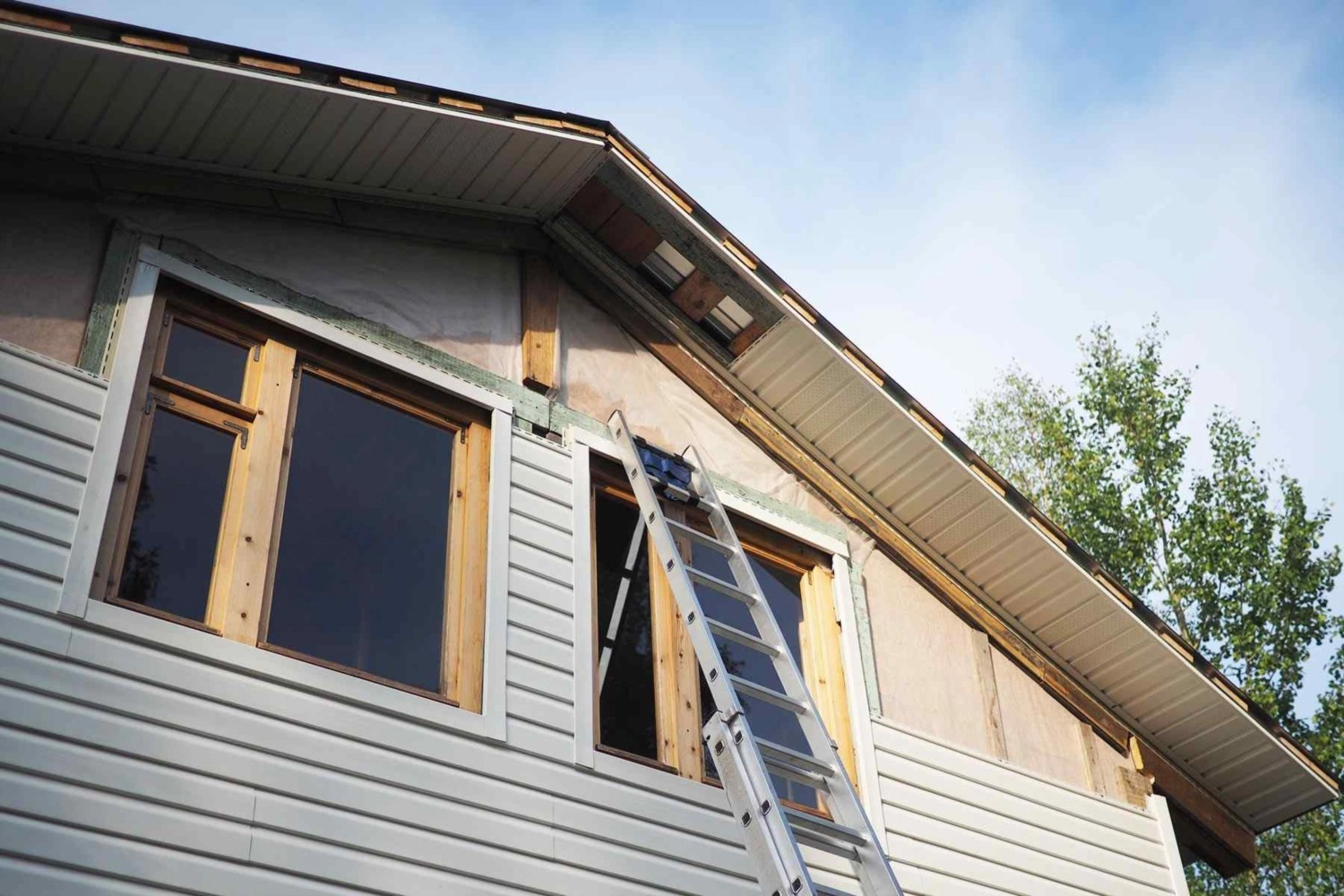
Colorado siding fails faster than siding in most states because it takes four separate hits in a single year: hail, intense UV at altitude, hard freeze-thaw swings, and winter road chemicals. Matching the material to the stress it will actually see on a Front Range house, and catching damage before it reaches the sheathing, is what protects both the home and its resale value.
This guide covers what damages siding on Colorado homes, which materials hold up best, what a repair or full replacement costs on the Front Range, and how siding condition affects a home sale.
What Causes the Most Siding Damage in Colorado?
Five things account for almost every Colorado siding claim: hail impact, UV breakdown, freeze-thaw cracking, moisture behind the panel, and pests in wood or wood-backed siding. Each shows up differently and needs a different fix.
- Hail: dents metal and vinyl, cracks fiber cement and hardboard, and can puncture thin vinyl on the storm-facing side of a house.
- UV at altitude: fades color and dries out caulking and vinyl faster than at sea level.
- Freeze-thaw: water trapped behind a panel expands when it freezes, popping seams and widening cracks.
- Moisture: from a leaking roof, bad flashing or clogged gutters rots wood siding and sheathing from the inside out.
- Pests: termites, carpenter ants and woodpeckers target wood and wood-backed siding, especially near mulch beds and irrigation.
Does Hail Actually Damage Vinyl and Fiber Cement Siding?
Yes. Hail season on the Front Range runs mid-April through mid-September, and a storm that dents a metal roof or breaks asphalt shingles leaves the same-facing siding with cracks, punctures or chalky impact marks. Cold vinyl cracks and punctures where warm vinyl would only dent; fiber cement chips or cracks at the impact point and can spread along that crack line months later.
How Does UV Exposure at 5,280 Feet Change Siding Lifespan?
Denver sits at 5,280 feet, and UV intensity increases with elevation. Vinyl siding on a south- or west-facing wall fades, warps and turns brittle years earlier at altitude than the same product at sea level. Fiber cement and painted wood need repainting on a shorter cycle for the same reason: plan on repainting a south-facing wall every 7 to 10 years instead of the 10- to 15-year interval that holds at lower elevation.
Why Does Siding Crack During a Front Range Freeze-Thaw Cycle?
Colorado temperatures swing 40 degrees in a single day, and moisture trapped behind a siding panel expands when it freezes overnight and contracts the next afternoon. Repeated across a winter, that cycle pops seams, cracks caulking around windows and doors, and widens any hairline crack that started as hail damage.
Does Mag Chloride From Winter Roads Damage Siding?
Magnesium chloride, the de-icer Colorado cities spray on roads, splashes onto the lower two to three feet of siding near the street and driveway. It leaves a white residue that holds moisture against the panel and corrodes exposed metal trim and fasteners over several winters. Rinse the lower run of siding after major snow events instead of letting the residue sit all season.
What Pests Get Into Colorado Siding?
Termites and carpenter ants show up less in Colorado's dry climate than in humid states, but they still turn up in wood and wood-backed siding within a few feet of mulch, stacked firewood or irrigation lines. Woodpeckers are the more common Front Range problem, drilling into cedar and hardboard siding near the eaves. Schedule regular inspections on wood siding once a year, and keep mulch and firewood a few feet off exterior walls.
What Siding Material Holds Up Best to Colorado Hail?
Fiber cement (James Hardie and similar brands) is the most common upgrade on Front Range homes because it resists hail cracking better than vinyl and does not dent the way metal and aluminum do. Engineered wood (LP SmartSide) sits a step down in hail resistance and costs less installed. Reviewing current siding options by material before getting a bid sets the right expectation for both cost and hail performance.
| Material | Installed cost per sq ft (Front Range) | Hail resistance |
|---|---|---|
| Vinyl | $4 to $9 | Cracks and punctures in cold weather; lowest of the common options |
| Engineered wood (LP SmartSide) | $6 to $11 | Moderate; dents more than it cracks |
| Fiber cement (James Hardie) | $9 to $16 | High; resists cracking and denting best of the common options |
| Metal/aluminum | $8 to $14 | Denting is common; does not crack or rot |
How Much Does New Siding Cost for a Front Range Home?
A full siding replacement on a 2,000 sq ft Colorado home runs roughly $16,000 to $32,000 depending on material, vinyl at the low end and fiber cement at the high end. A hail-damage repair covering one or two walls runs $2,000 to $8,000 before insurance.
Does an HOA Have to Approve a Siding Replacement?
Most Front Range HOAs and metro districts require architectural review before a siding color, material or style change, even for a like-for-like insurance replacement in some communities. Highlands Ranch homes under HRCA's architectural review process and most Denver-area HOAs covered in our Denver HOA rules and fees guide need an application submitted before work starts, so budget two to four weeks for approval before a contractor begins.
Do Denver and Aurora Require a Permit for Siding Replacement?
Most Front Range cities require a building permit for a full siding replacement, though a small patch repair commonly does not need one. Check with the city or county building department before work starts; a licensed contractor who pulls permits and handles HOA paperwork is worth the extra line item on a bid.
Does Homeowners Insurance Cover Storm-Damaged Siding?
Most Colorado homeowners policies cover wind and hail damage to siding, subject to a deductible that is commonly a percentage of the dwelling coverage (1% to 5%) instead of a flat dollar figure. Colorado law makes it illegal for a contractor to advertise that they will pay, waive or rebate your deductible — treat that pitch as a warning sign, not a deal.
How Does Siding Condition Affect a Home Sale in Colorado?
Visible siding damage — cracked panels, exposed sheathing, missing caulking — is one of the first things a buyer's inspector flags on a Colorado inspection report, and it turns into a repair request or a price reduction during negotiations. Fixing it before listing, or pricing it into the number from the start with a Smart Pricing Report, keeps it from becoming a late-stage surprise. Our guide to preparing and adding value before selling covers which exterior repairs return the most at closing.
Where to go next
- Preparing and adding value before selling a Colorado home
- Get a Smart Pricing Report for your home
- Denver HOA rules and fees guide
- Colorado hail and roof costs guide
- Weatherproofing your home for the Colorado climate
- Search every home for sale in Colorado
Talk to the Kenna Real Estate Group
The Kenna Real Estate Group walks Front Range sellers through which exterior repairs are worth making before listing and which ones are better priced into the number. Ask for the printable pre-listing exterior checklist in the form below and we email it the same day. Call or text 303-955-4220. A live person answers. Not a robot, not a phone tree. Or search every home for sale in Colorado.
Homes for sale that match this post
Guides
Questions about any home in Colorado? Call or text 303-955-4220. A live person answers.